


Investors' area






Latest from Brazil

POLYGON 10 UPDATE
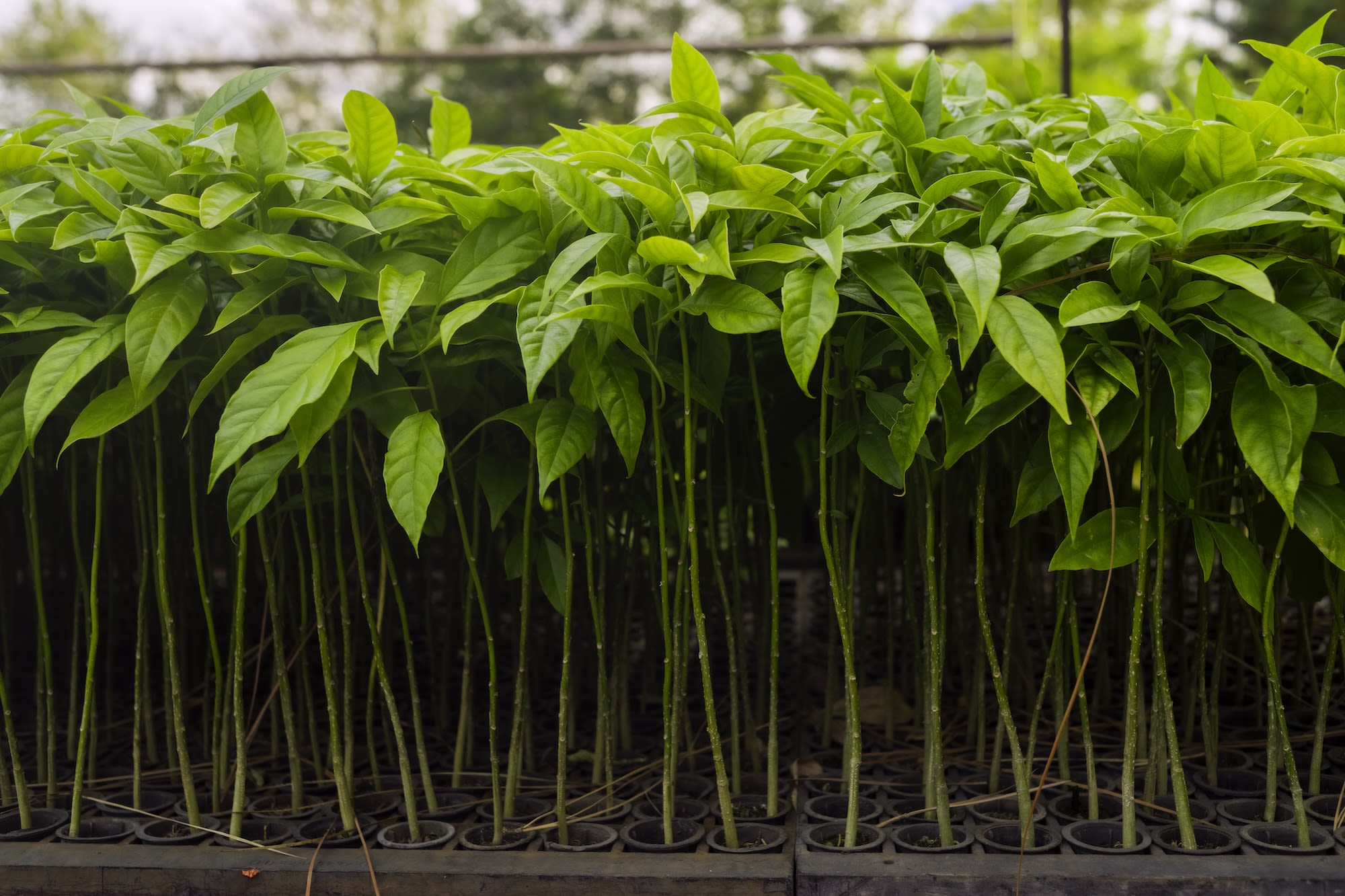
April 2026 We are delighted to share that thanks to the funding from our Rewild Carbon business partners, work has begun on our next polygon, bringing us up to 10 planting polygons in total! Reaching double digits is a huge milestone, and we are incredibly thankful for all your support. The soil is currently being prepared and planting will commence shortly, adding another 17 hectares of forest corridor to the area.

Firefighter training
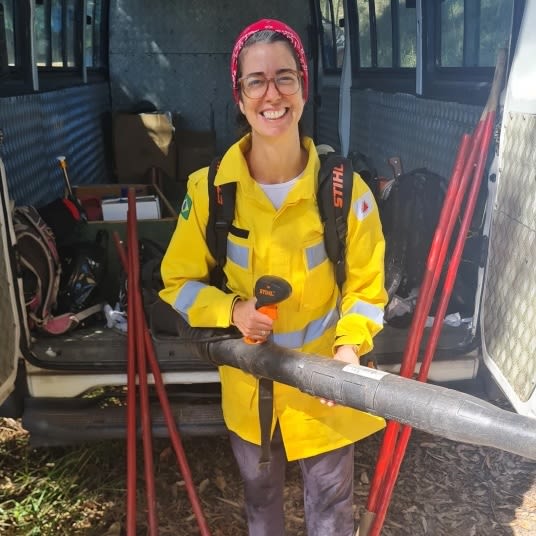
March 2026 SAFE Programme Coordinator Bela Barata is now fully trained to fight fires after completing a week-long training session with firefighters in Brazil. She is qualified to assist firefighting efforts alongside the community volunteer brigades in the Espinhaço mountain region. Your investment helps support these volunteer fire brigades reduce fire incidence in the area, which is home to the Crossodactylodes itambe, a rare and threatened bromeliad-dwelling frog.

AWARD WINNING INTERNSHIP
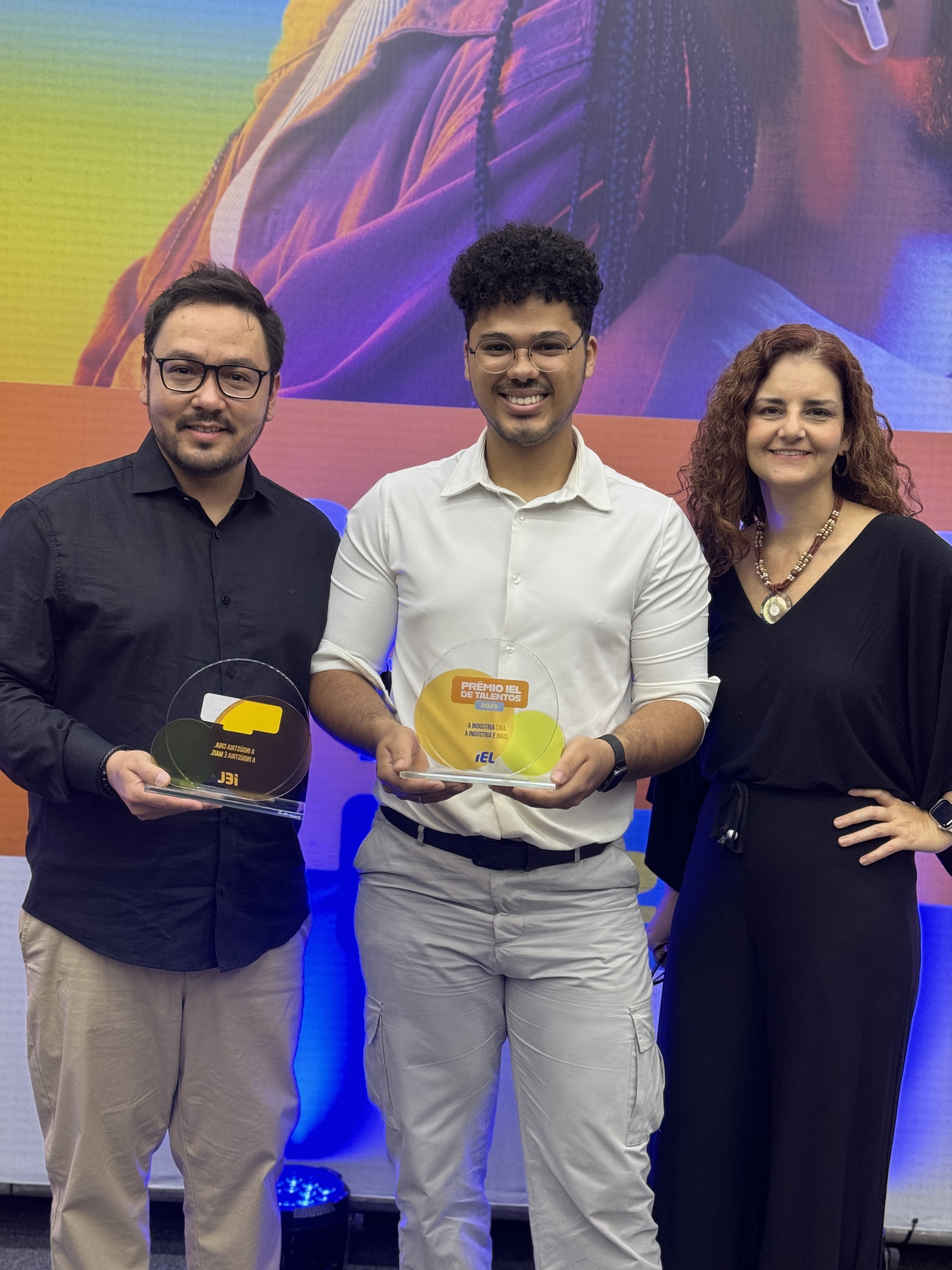
January 2026 ICAS were recognised in the 2025 IEL Talent Awards in two categories: Innovative Internship and Innovative Intern. At the national stage, ICAS placed 11th out of 759 entries for their internship program and Matheus Stanley won 2nd place in his category. Your investment in Rewild Carbon funded internships for Matheus and other undergraduates to work alongside ICAS to kick-start their careers in conservation and to build local capacity.

Wildlife bridge
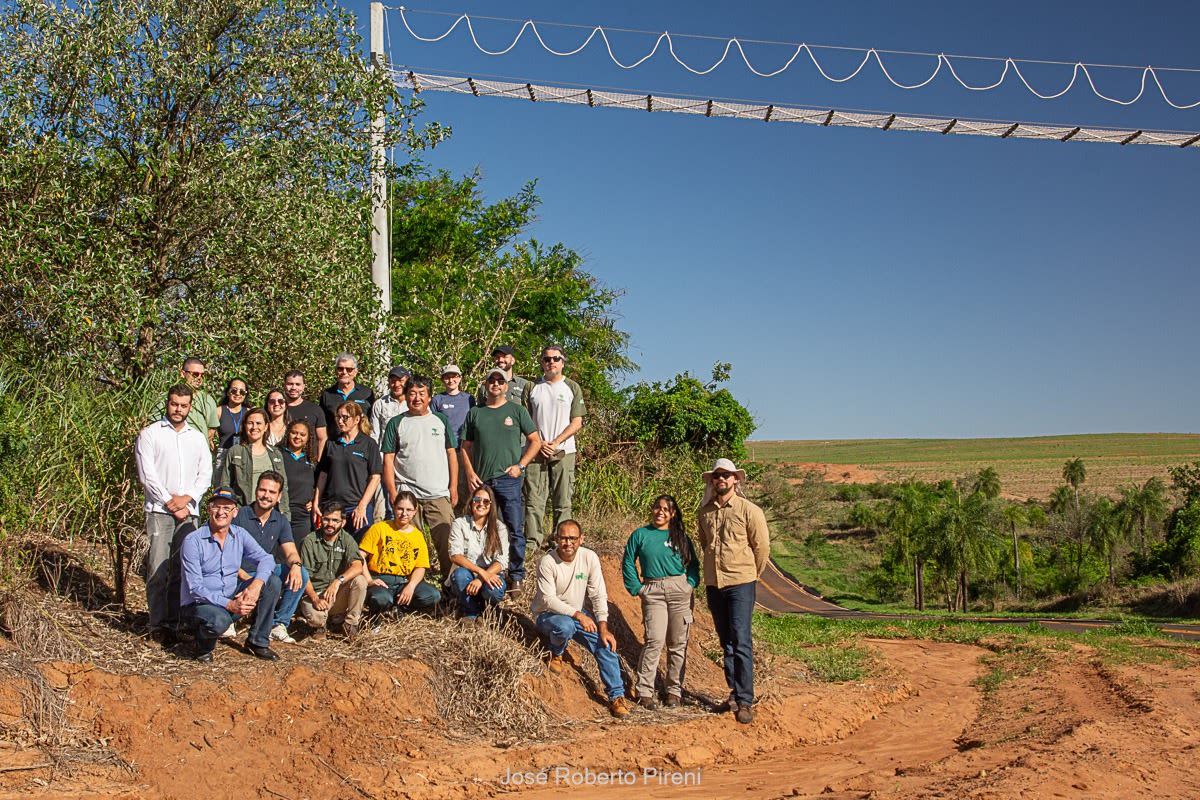
February 2026 The first canopy bridge for the Black Lion Tamarin Conservation Programme (BLTCP) has been completed after four years of hard work planning, fundraising and building. The project was a huge collaborative effort between many parties, including the BLTCP, the municipal government and local landowners. This bridge complements other connectivity efforts, such as habitat restoration, creating safe passage for wildlife to move between forest fragments.

Polygon 9 update
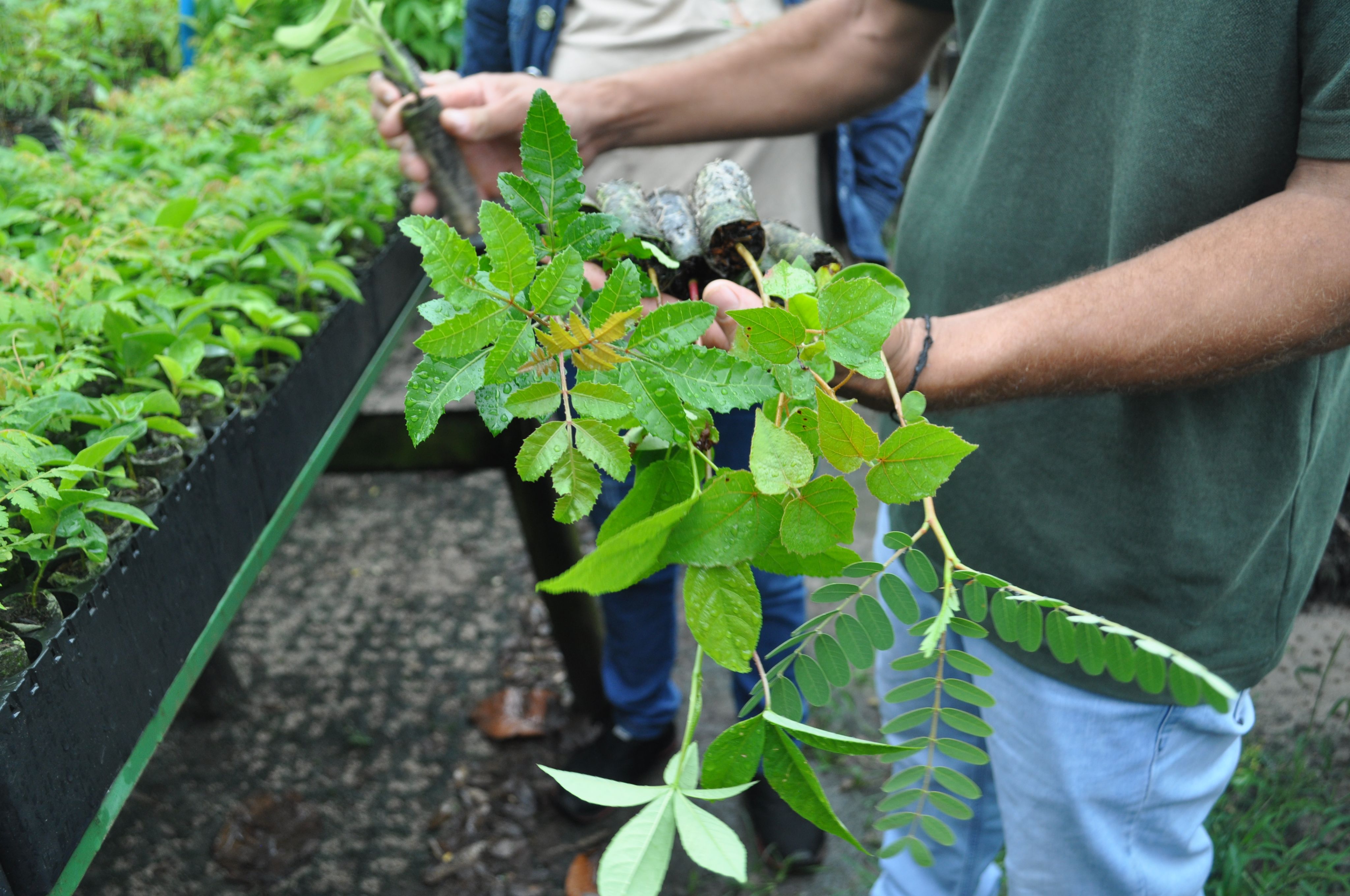
December 2025 We are thrilled to share that planting has been completed in Polygon 9, adding another 15 hectares to our tree corridors. The young trees will be nurtured for the next few years to make sure they can survive independently. The team will carry out various maintenance activities, including removing invasive grasses and making sure the trees have enough water during the dry season.

Protecting giant anteaters
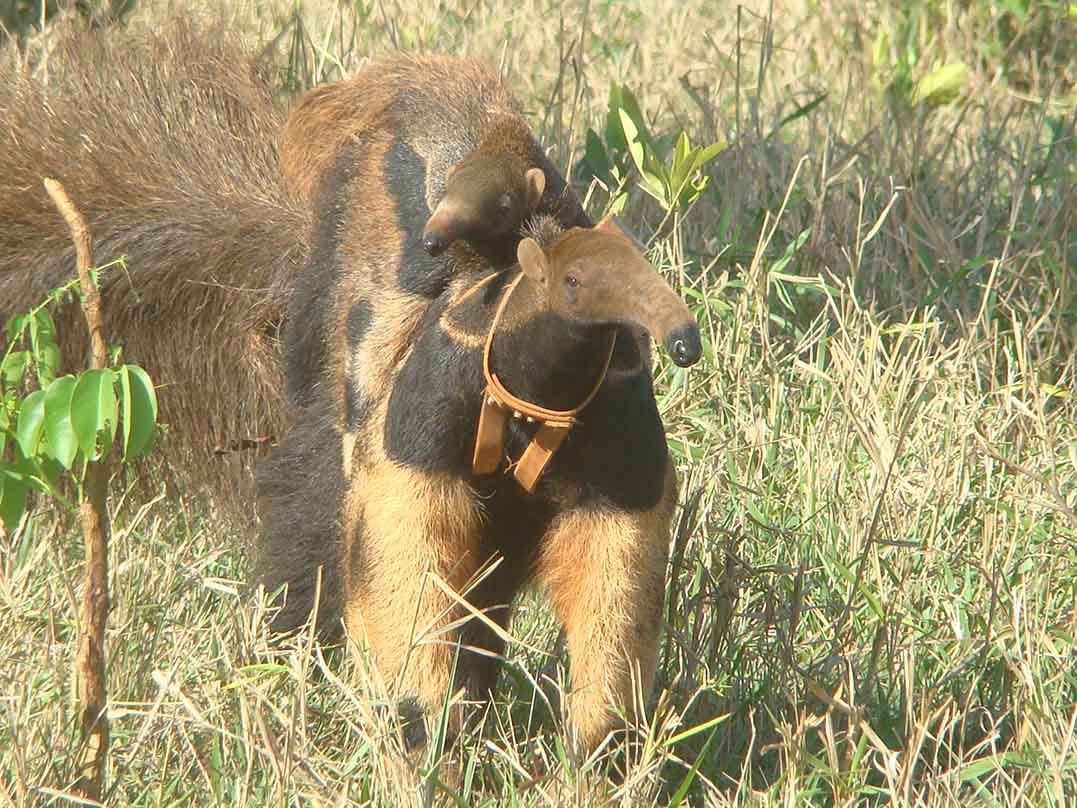
November 2025 On 19th November we celebrate World Anteater Day. We work alongside conservation partners ICAS to help protect this vulnerable species. Your investment has helped fund a number of important conservation actions, including several radio collars to monitor individuals to better understand the species’ ecology and behaviour, workshops with local communities to promote coexistence, and the rehabilitation of orphaned anteaters and their reintroduction to the wild.
Our forest corridors
We track your funds closely, which means that we can identify the number of trees you have funded and the location of their planting site.
Each polygon or planting site is exclusive to Rewild Carbon. We record the number of trees planted, the species mix, and map the area. As the forest corridors develop, we share with you the real impact of your investment in carbon stocks and biodiversity as well as benefits to the local community.
We want to ensure that Rewild Carbon is transparent and that you can see the impact your investment is having on the restoration of the Atlantic Forest. If you have any questions about how many trees you have funded or where they are planted, please get in touch with us at rewild.carbon@durrell.org
Restoration methods
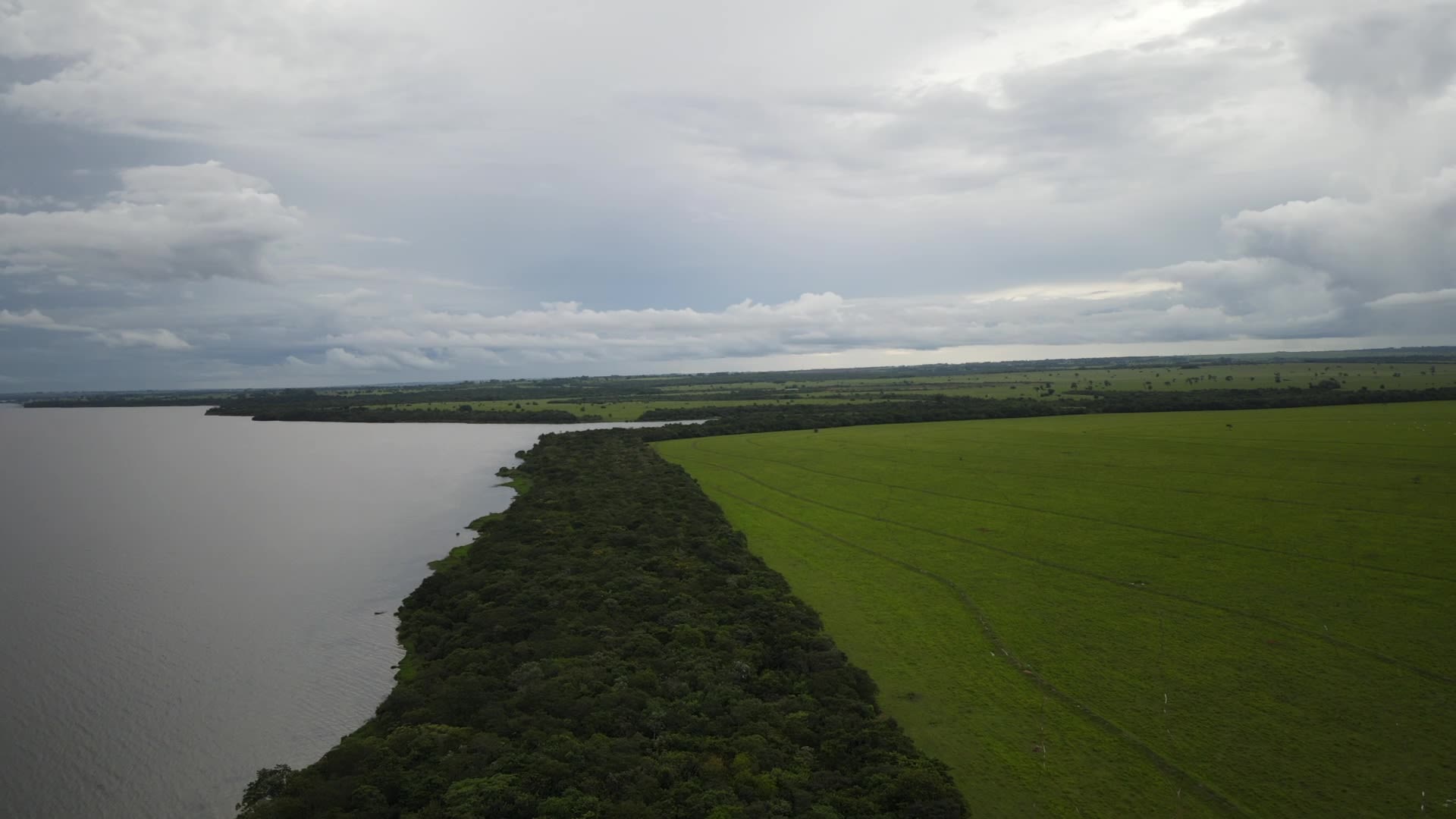
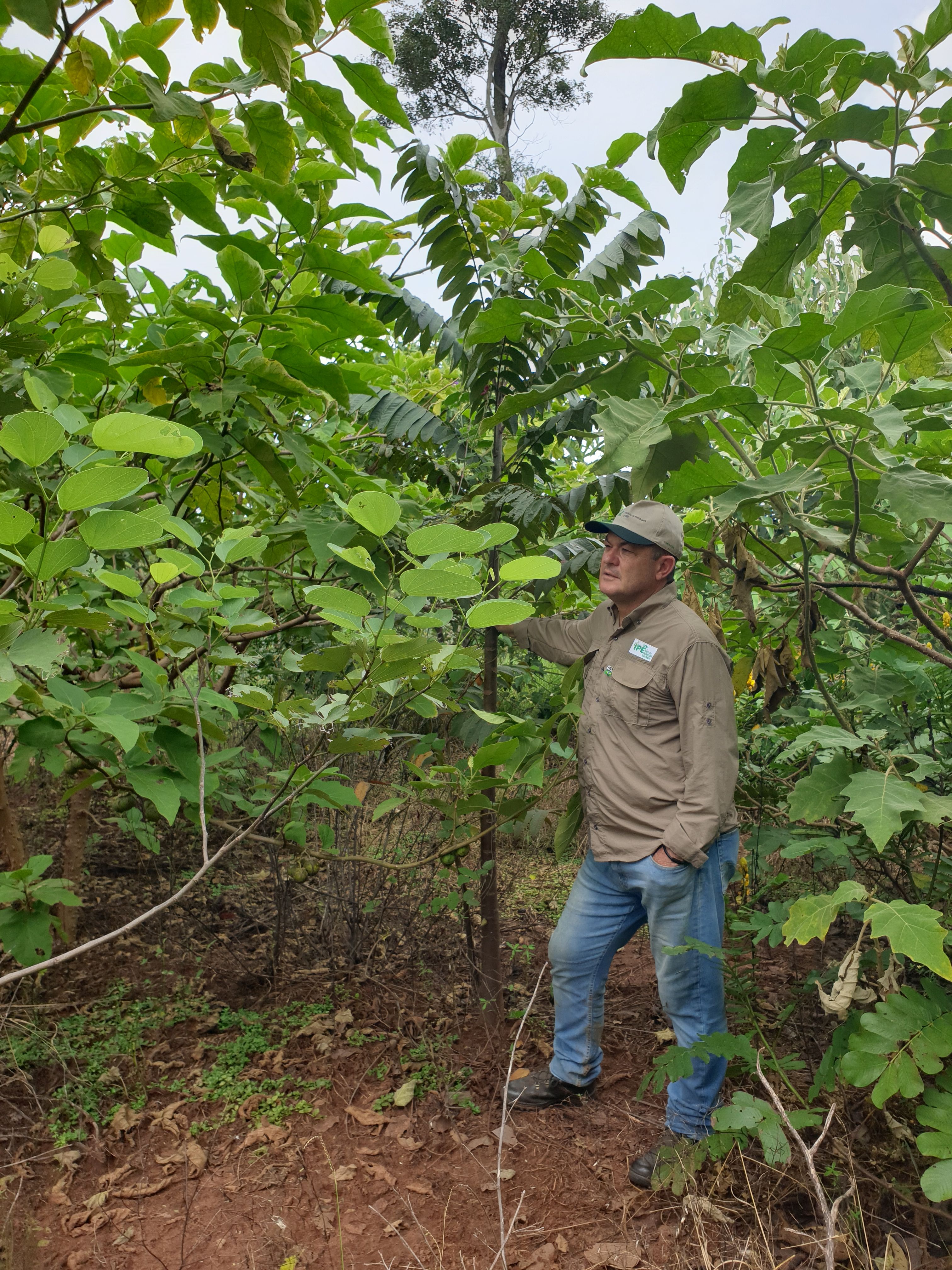
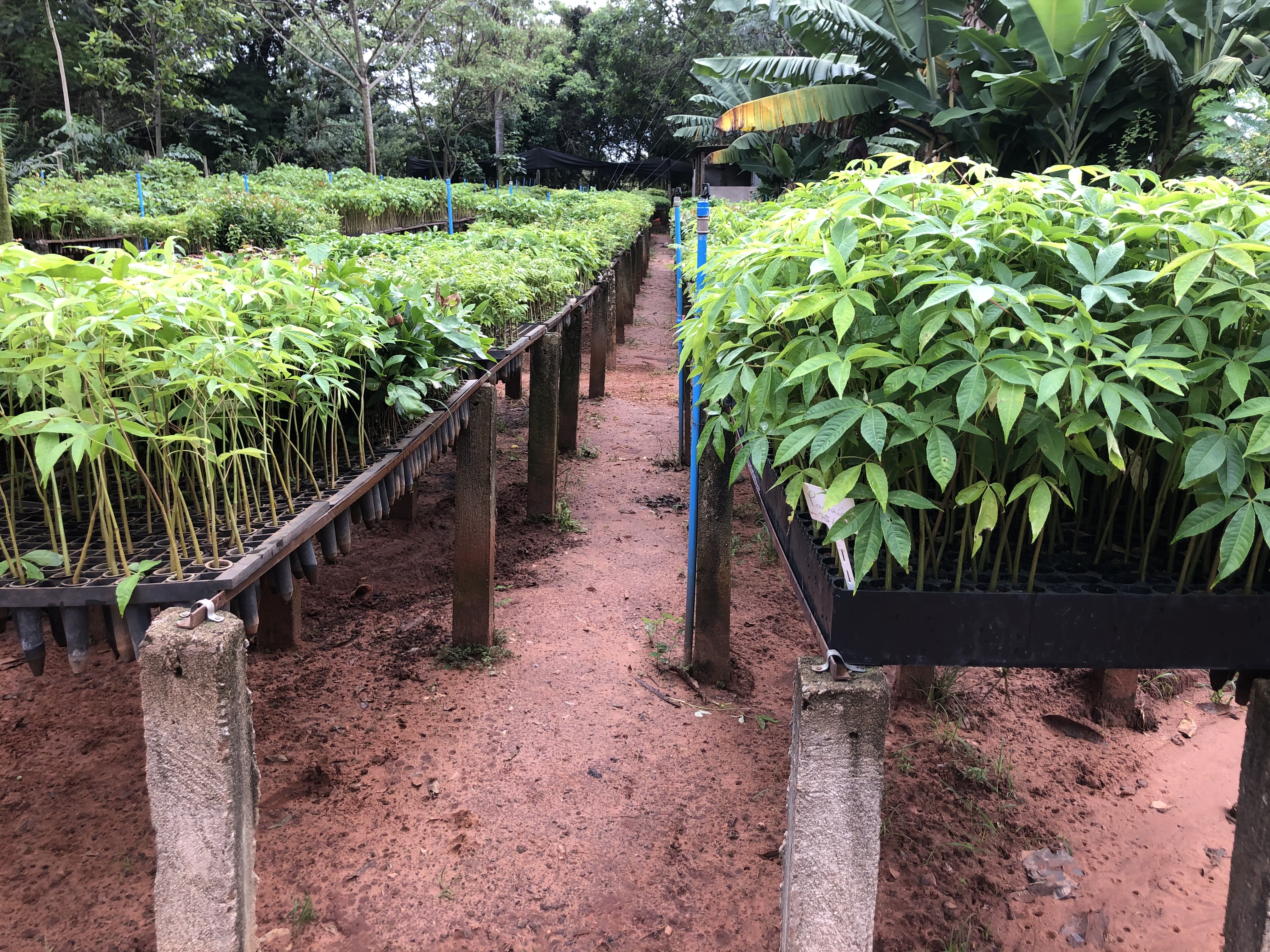
Forest corridors planted with Rewild Carbon are divided into polygons or planting sites. Each polygon is planted with native tree species and nurtured until the trees reach maturity.
There are three different restoration approaches being used in the Rewild Carbon corridors, depending on the site: active, mixed and passive.
Active restoration: Planting native species trees in areas where there are none already growing.
Mixed restoration: Enabling natural regeneration to occur where there are already established trees and planting new native species trees where needed.
Passive restoration: Where naturally regenerating seedlings are nurtured.
All three restoration methods include fencing of the site, firebreaks and control of leaf-cutting ants and invasive grasses.

Polygons
Information correct as of September 2025
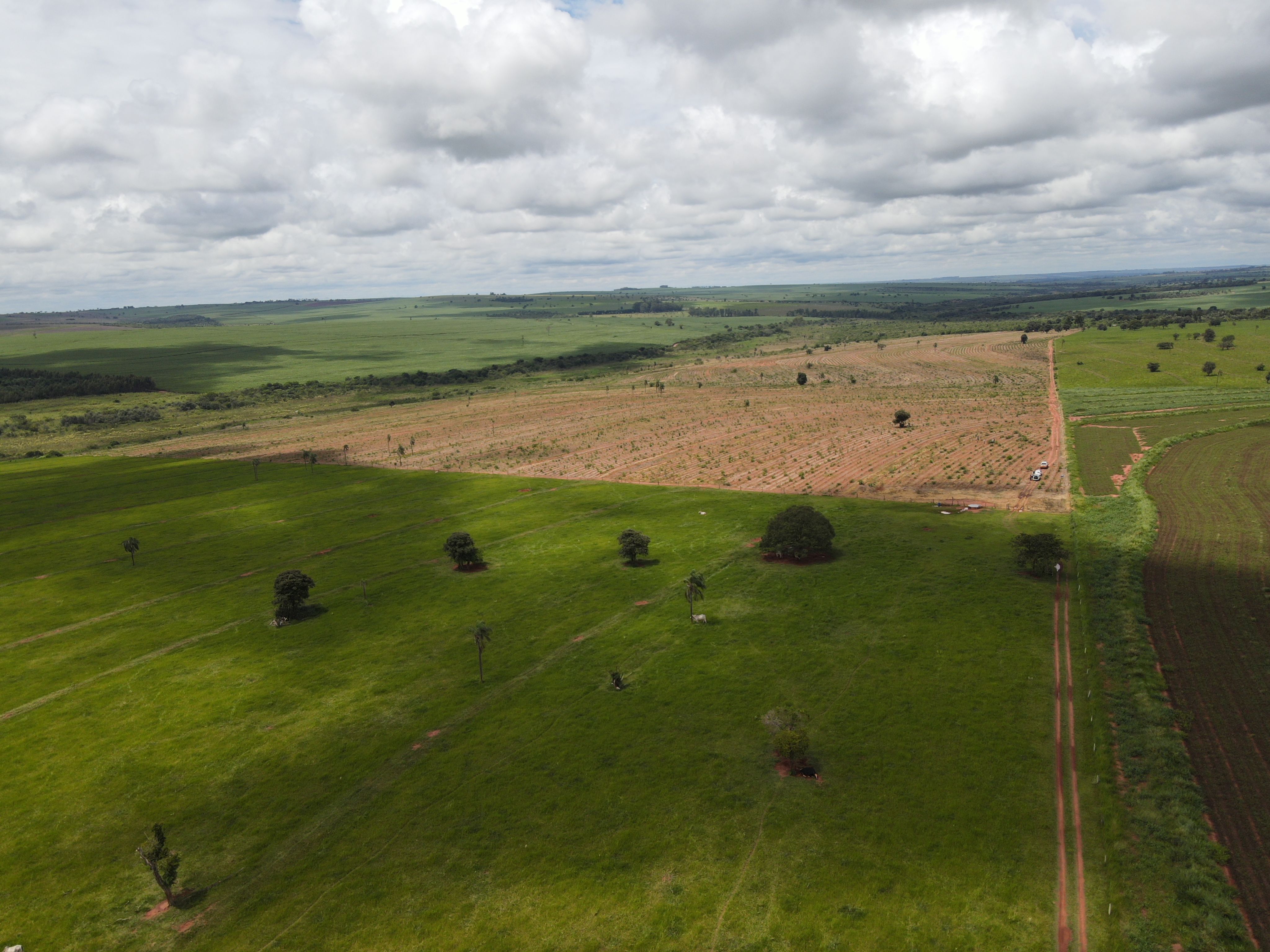
pOLYGON 1
Catagero Farm (East Corridor)
Planting completed
April 2022
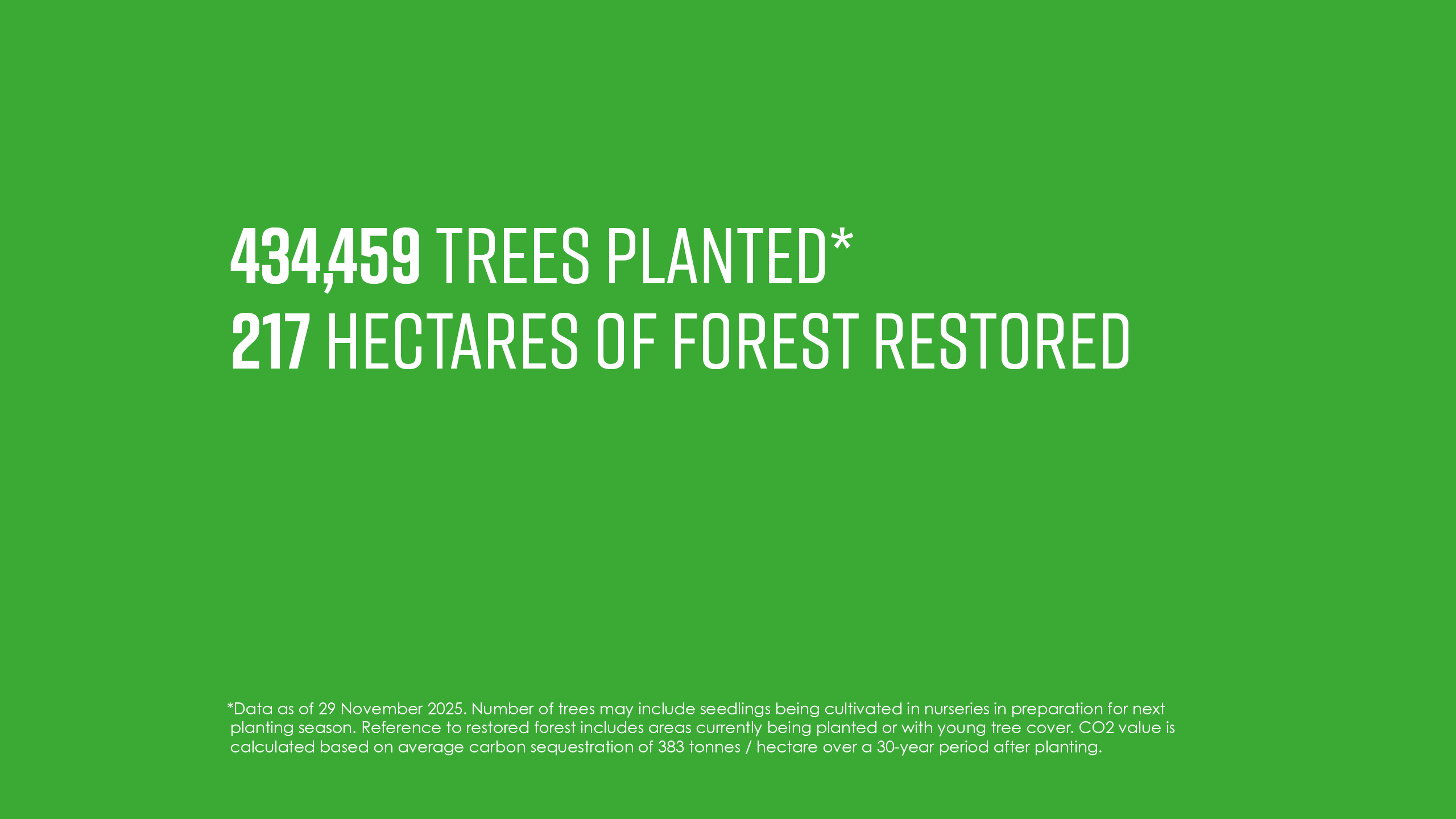
24 hectares under restoration
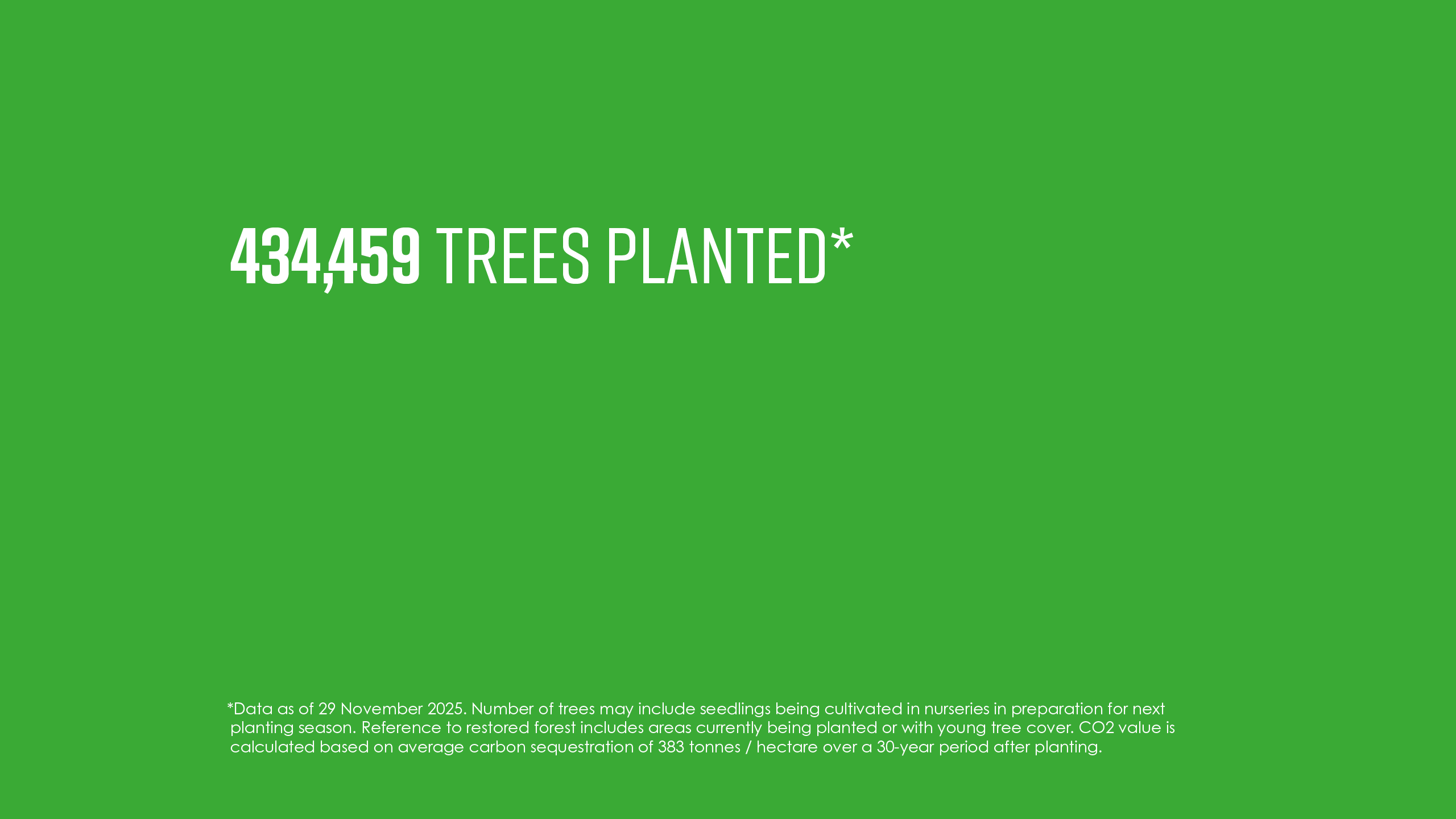
48,831 trees planted
Active and mixed restoration
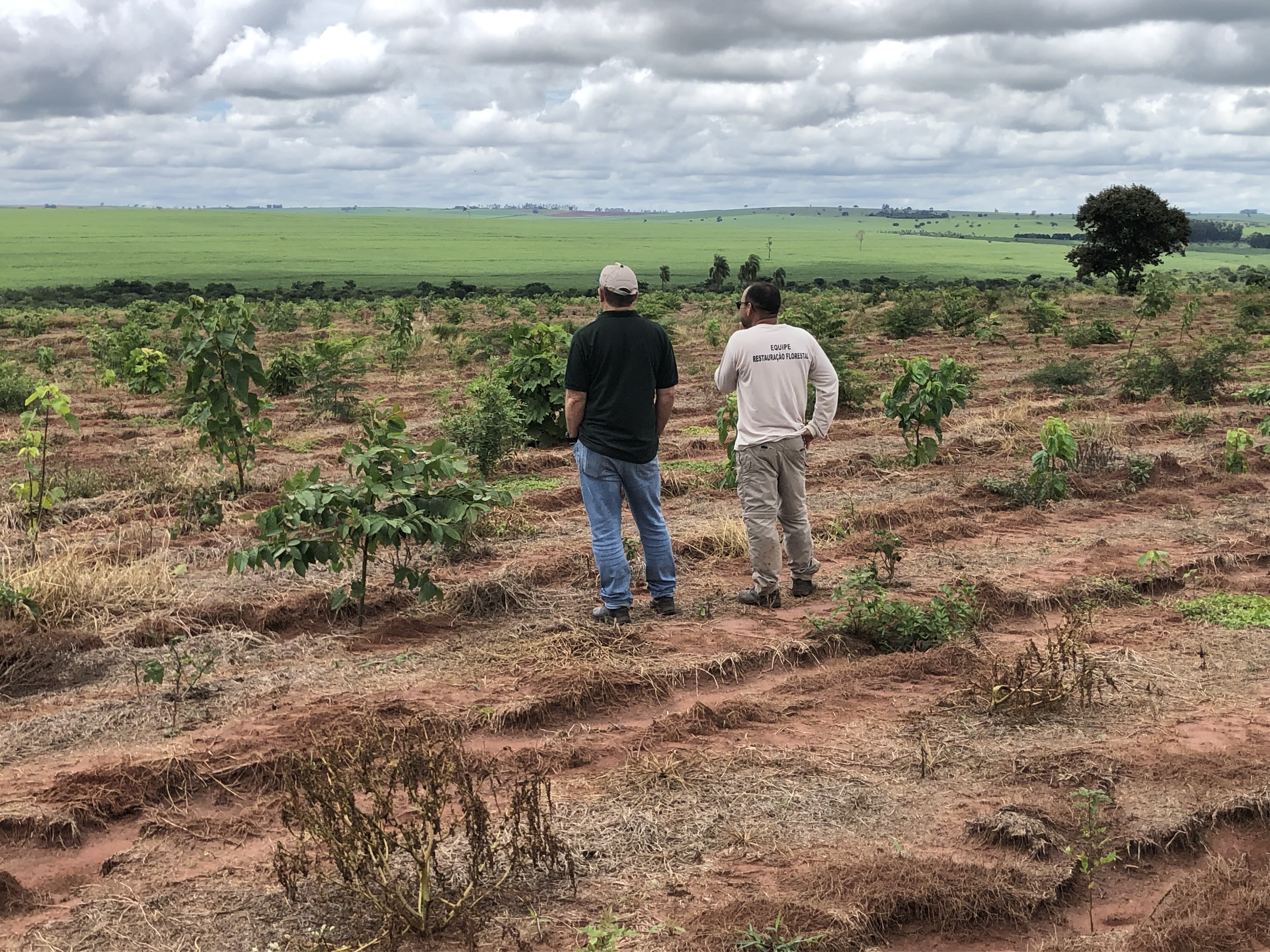
pOLYGON 2
Catagero Farm (East Corridor)
Planting completed
November 2022
27 hectares under restoration
54,002 trees planted
Active restoration
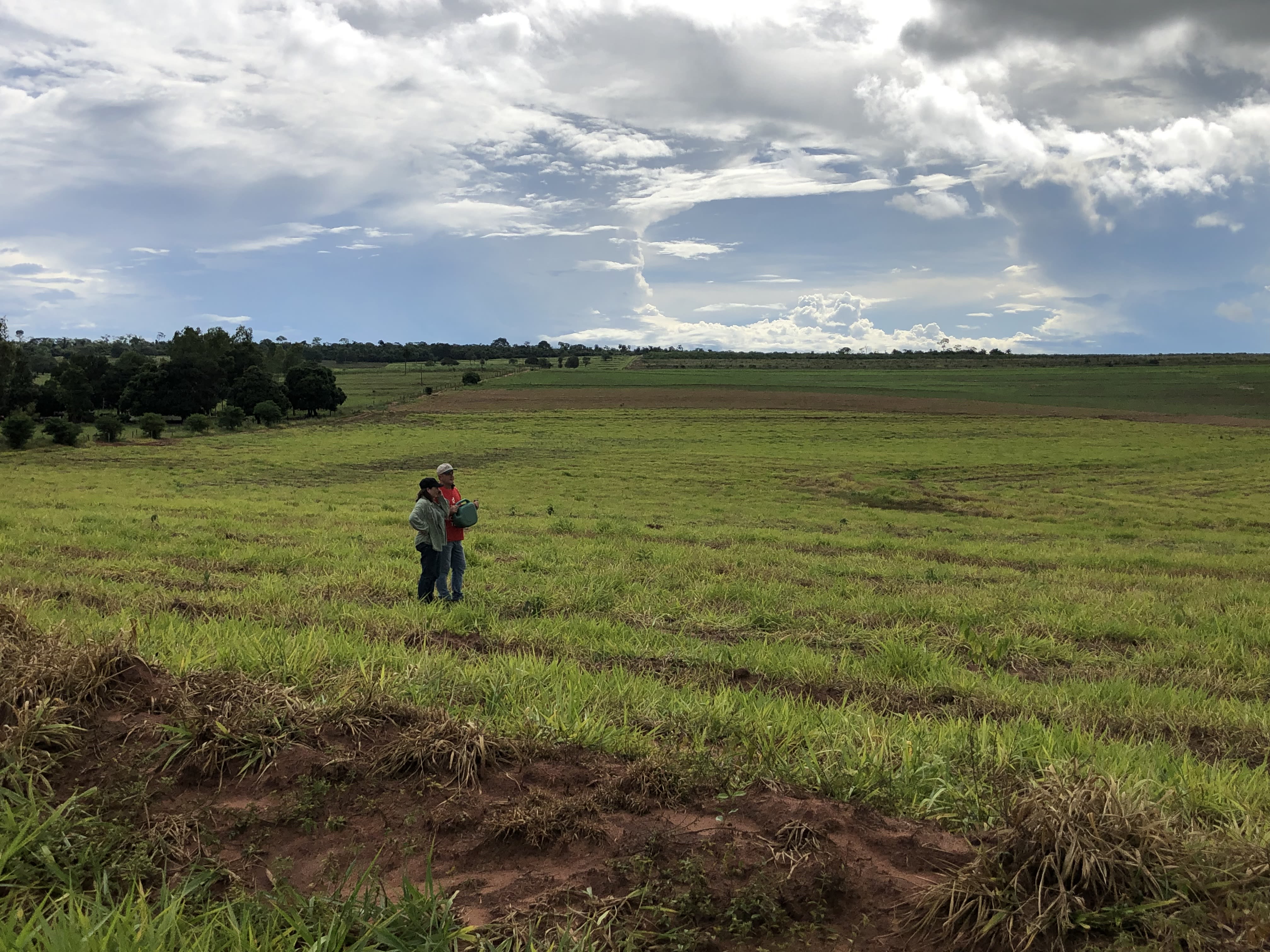
pOLYGON 3
Catagero Farm (East Corridor)
Planting completed
January 2023
24 hectares under restoration
48,029 trees planted
Active restoration
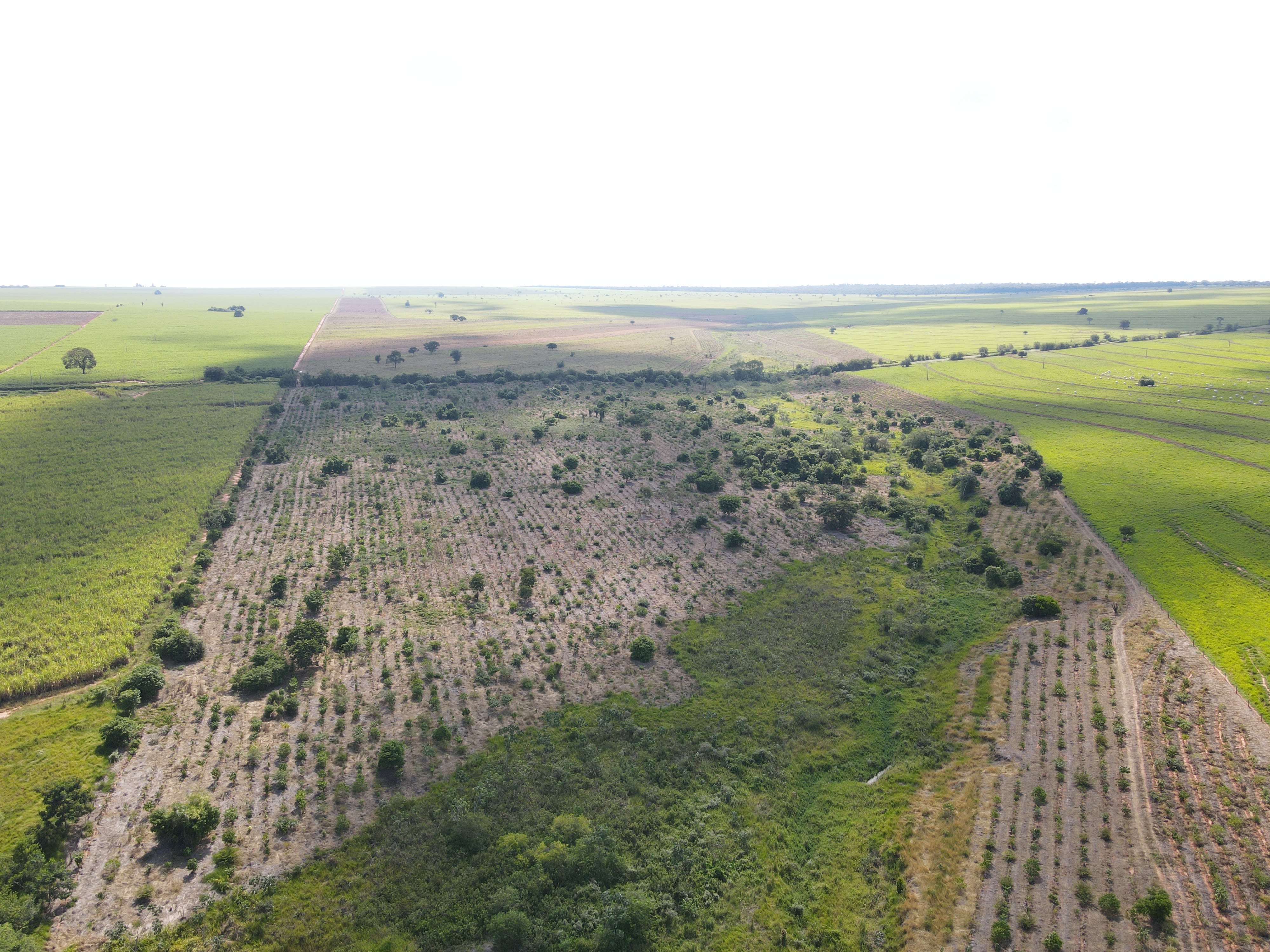
pOLYGON 4
Estrela Farm
(North Corridor)
Planting completed
March 2023
14 hectares under restoration
28,097 trees planted
Active restoration
pOLYGON 5
Catagero Farm
(East Corridor)
Planting completed
July 2023
25 hectares under restoration
40,900 trees planted
Active and mixed restoration
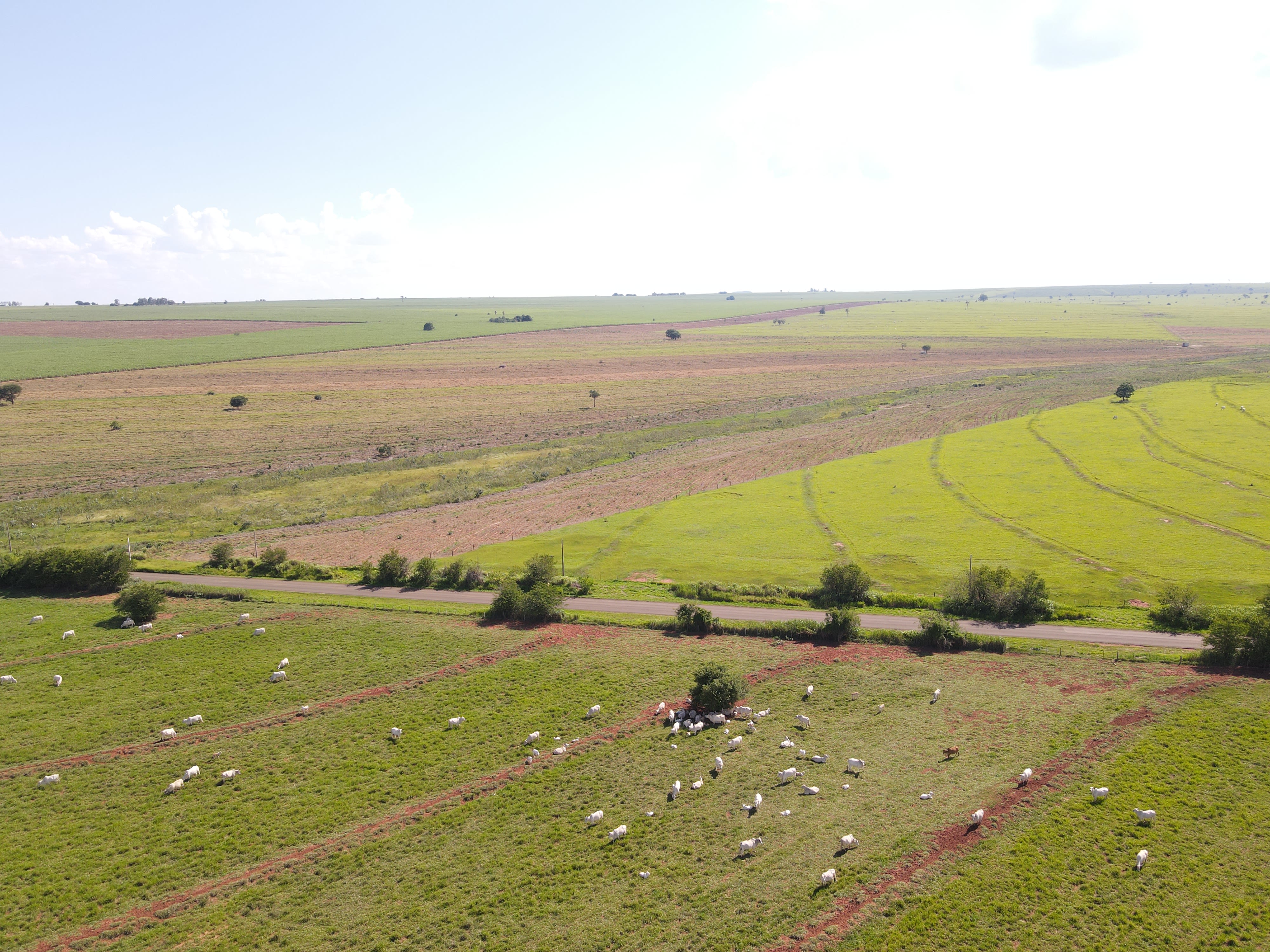
Polygon 6
Catagero Farm
(East Corridor)
Planting completed
January 2024
22 hectares under restoration
37,800 trees planted
Active and mixed restoration
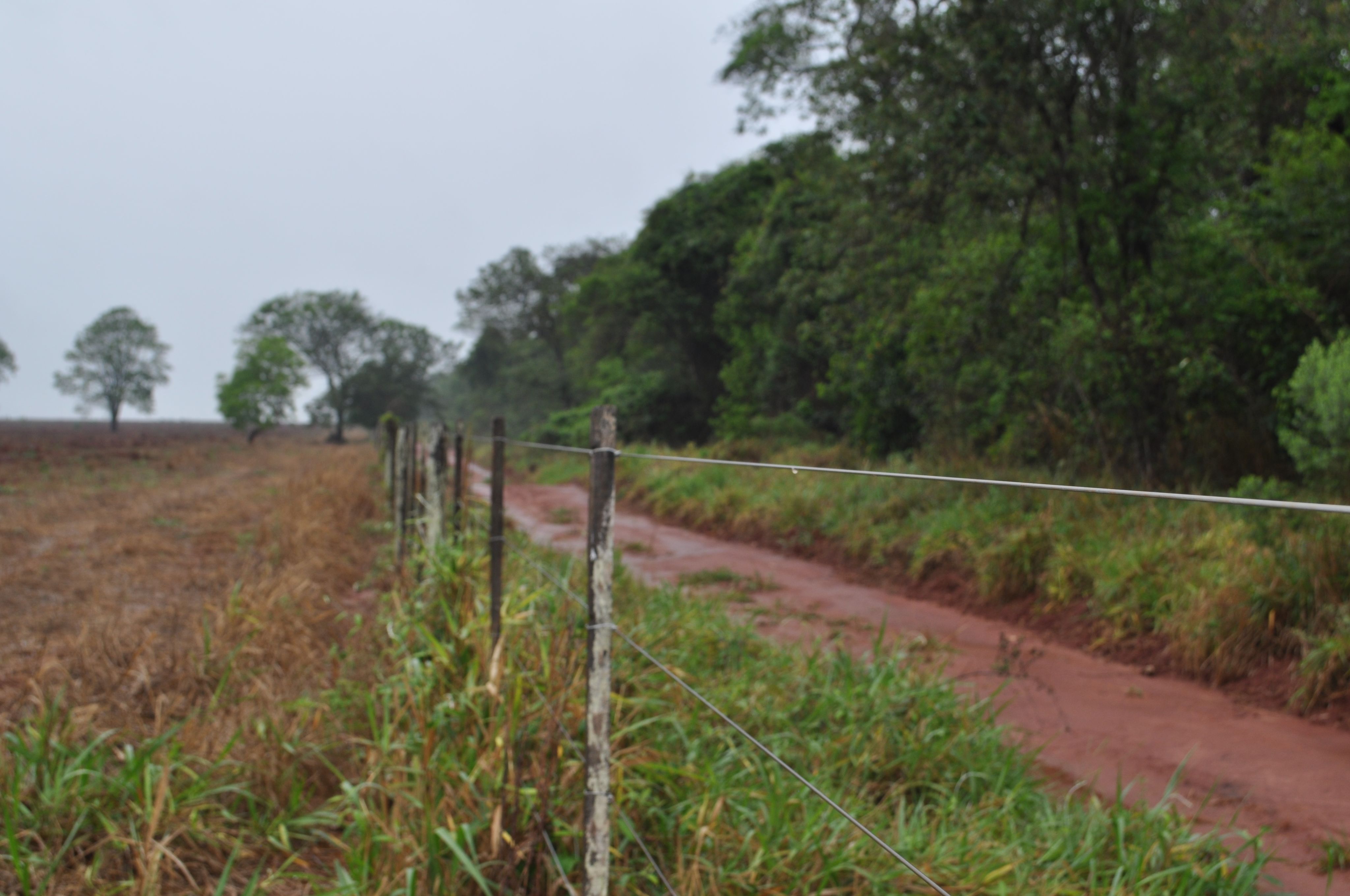
pOLYGON 7
Categero Farm
(East Corridor)
Planting completed August 2024
38 hectares under restoration
73,100 trees planted
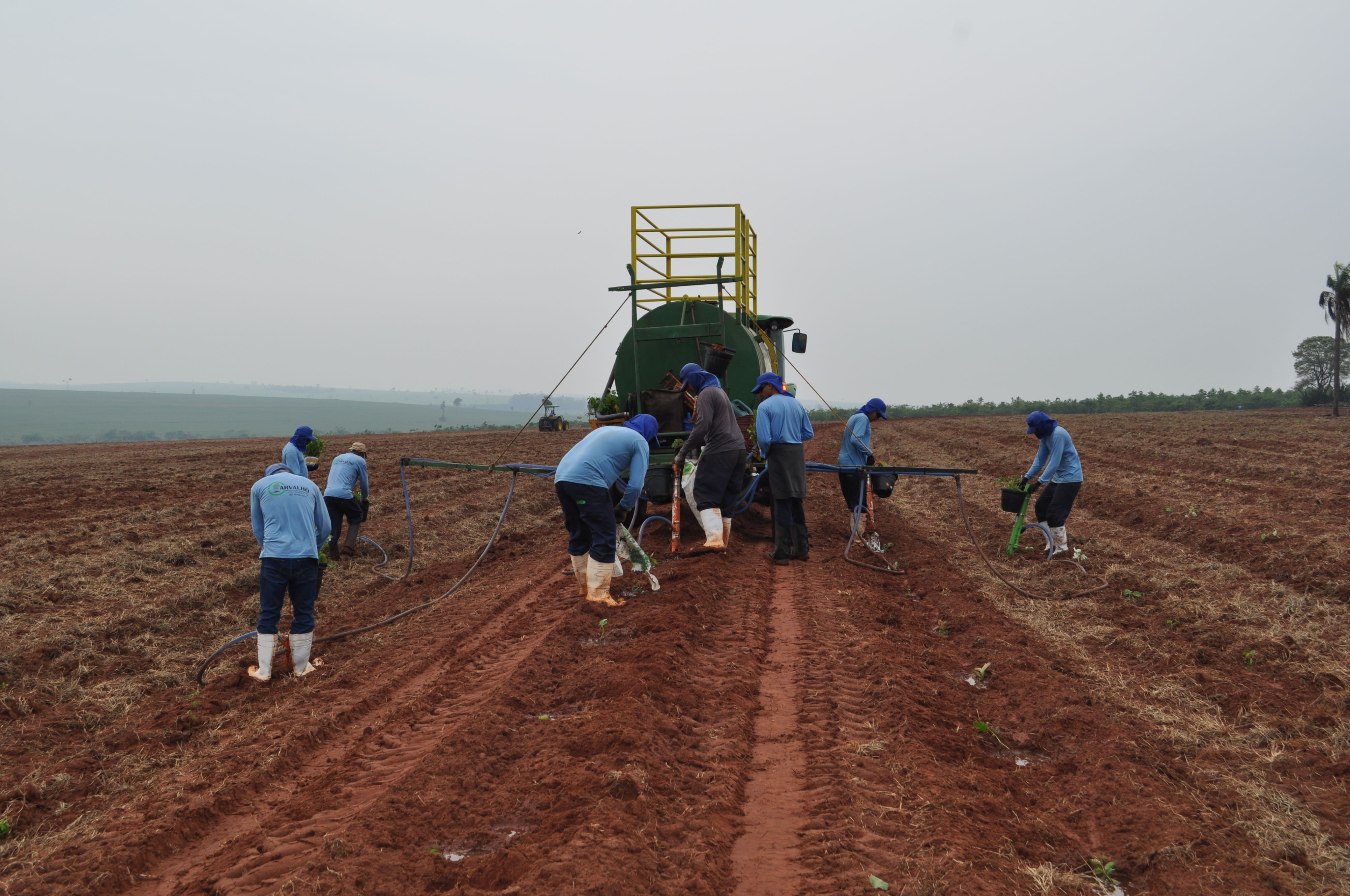
pOLYGON 8
Categero Farm
(East Corridor)
Planting completed November 2024
28 hectares under restoration
70,550 trees planted

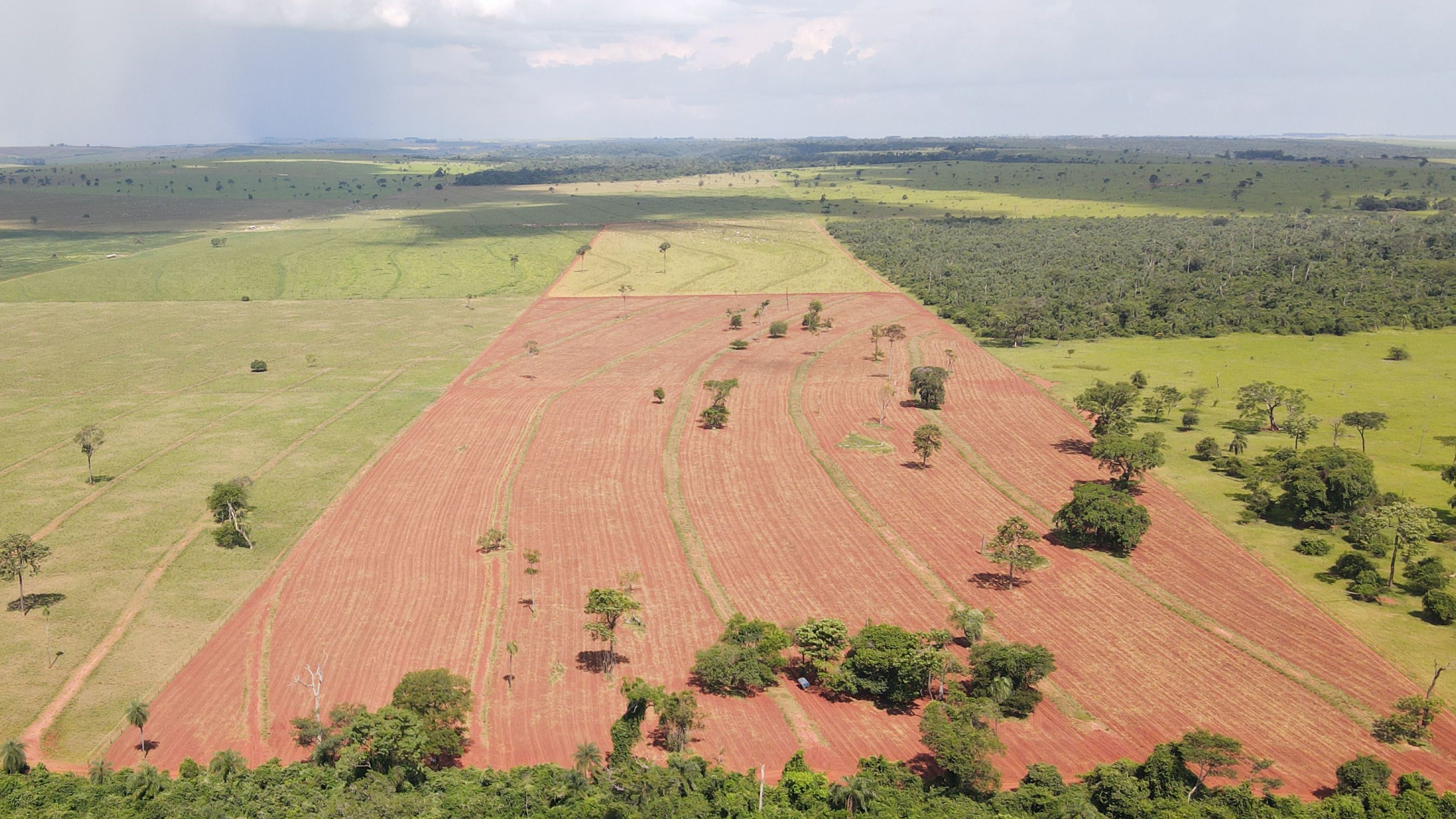

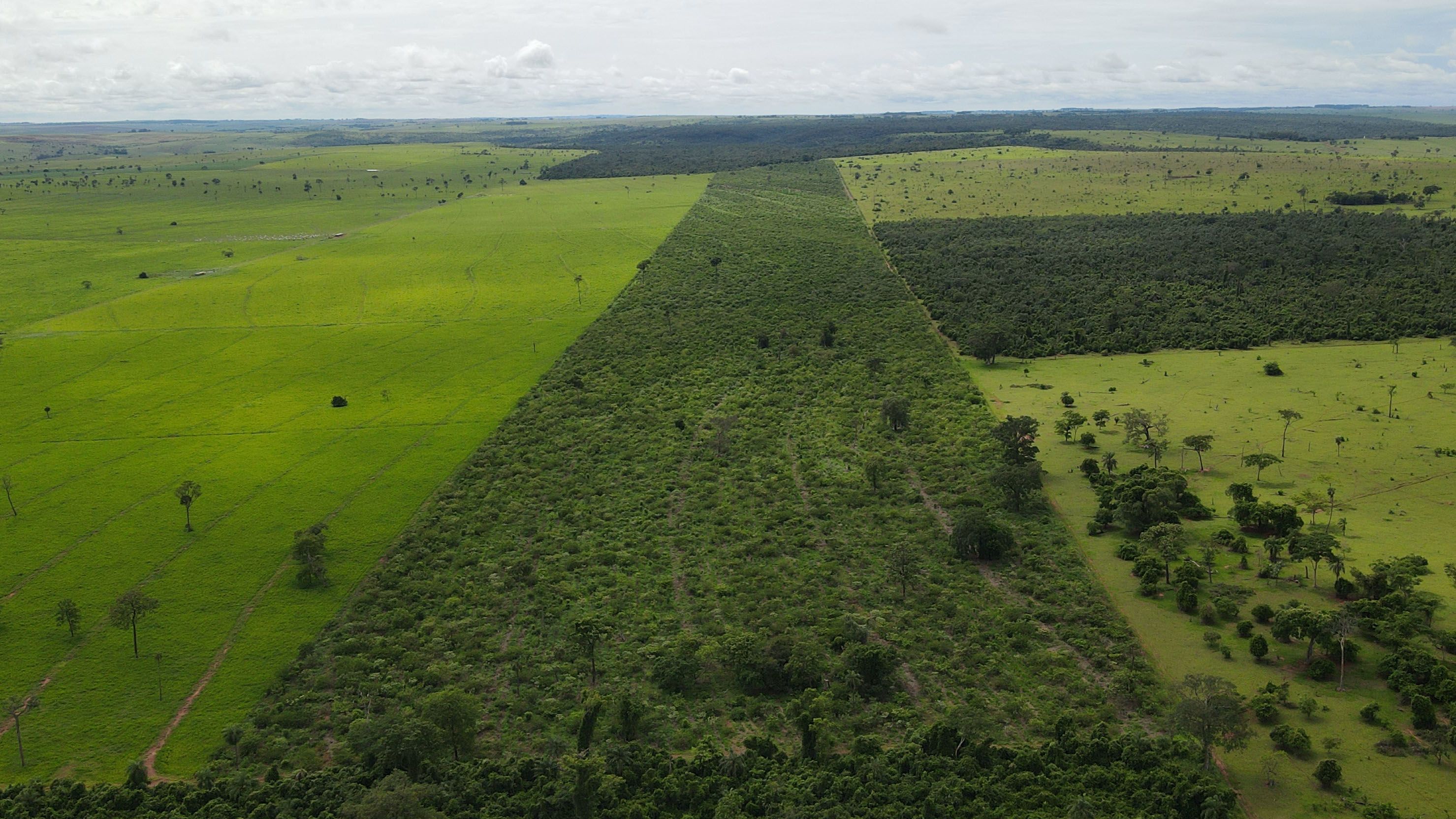
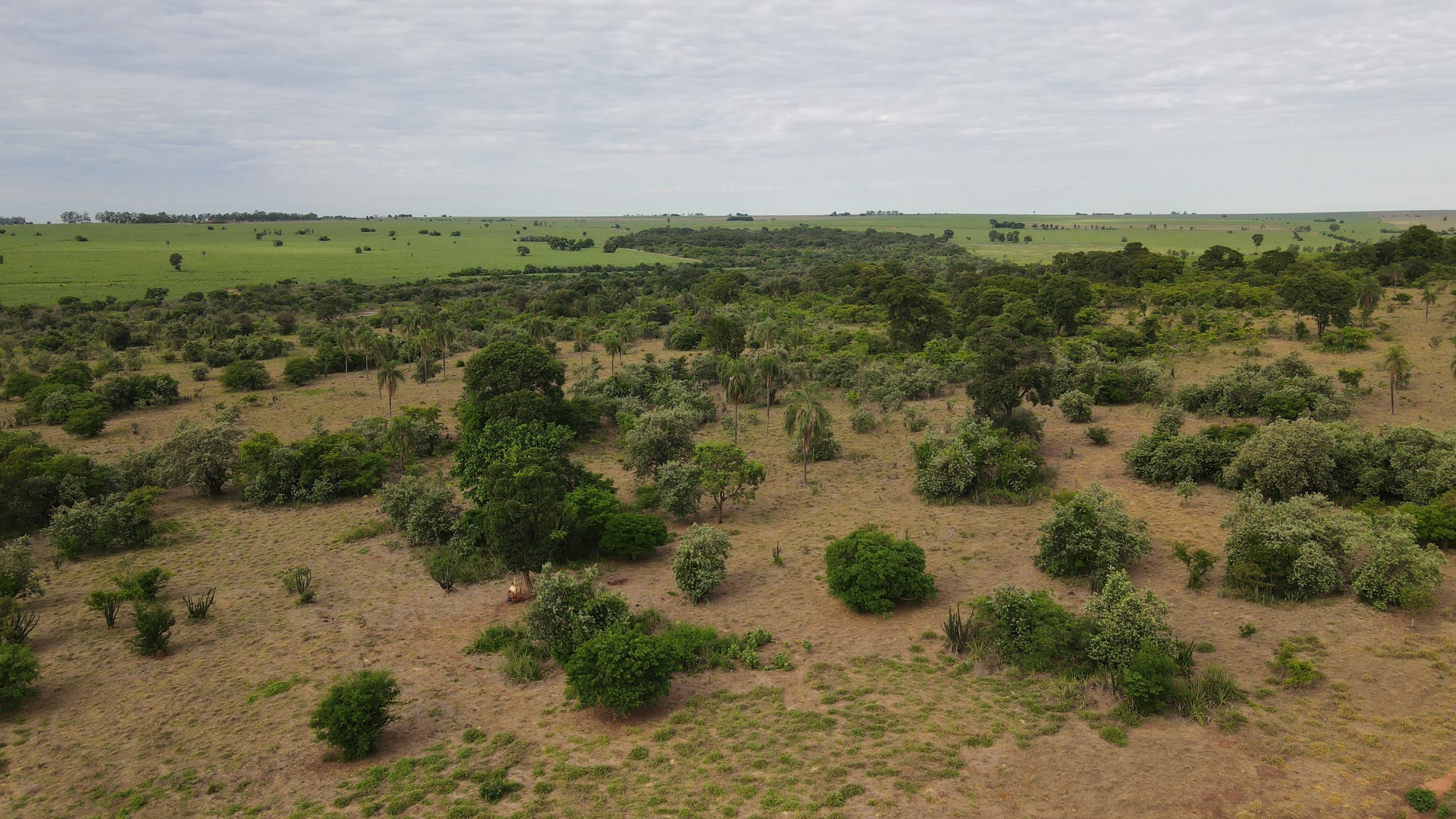
In just a few years
land can be transformed...
Rewild Carbon goals
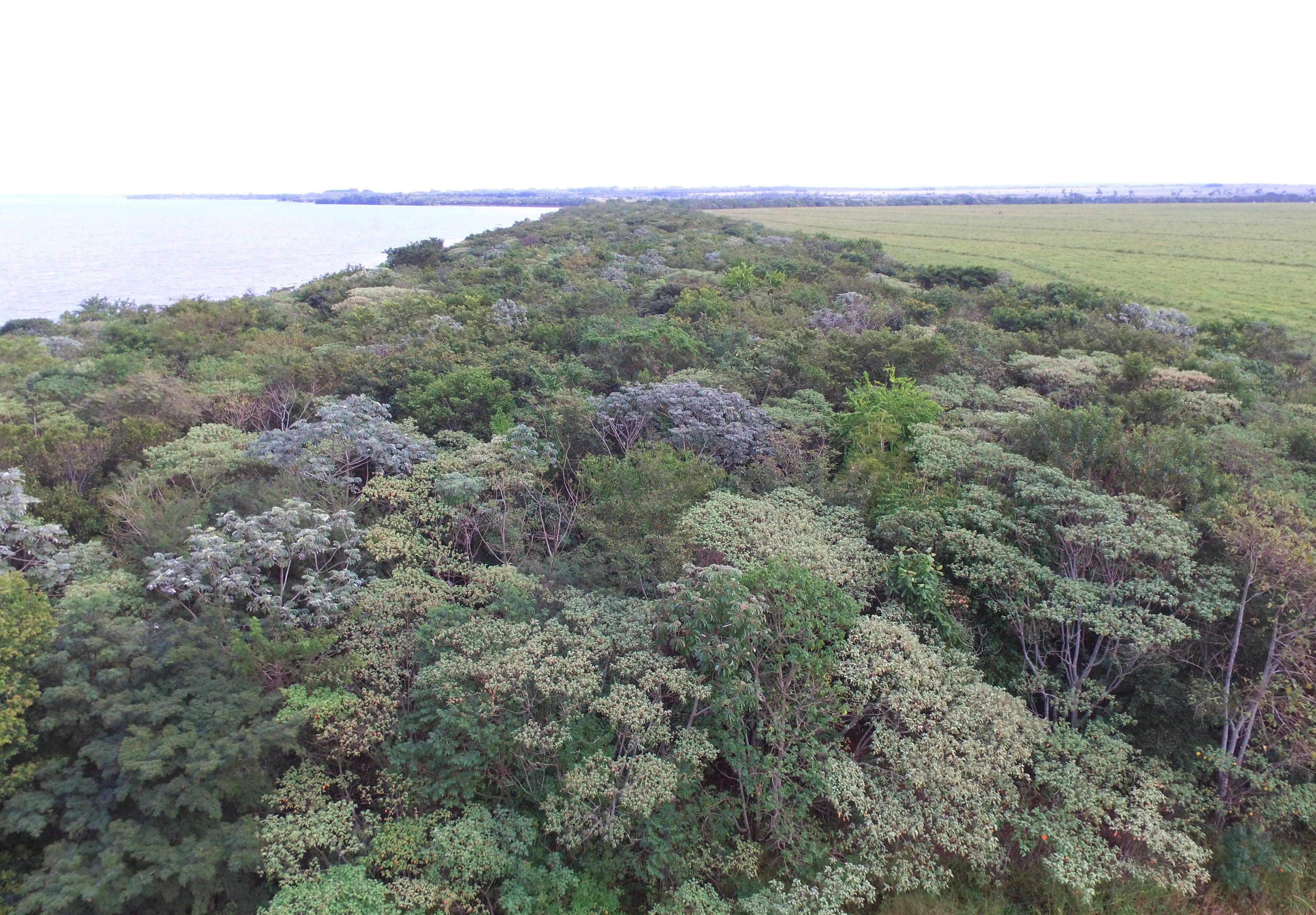
REDUCE CARBON
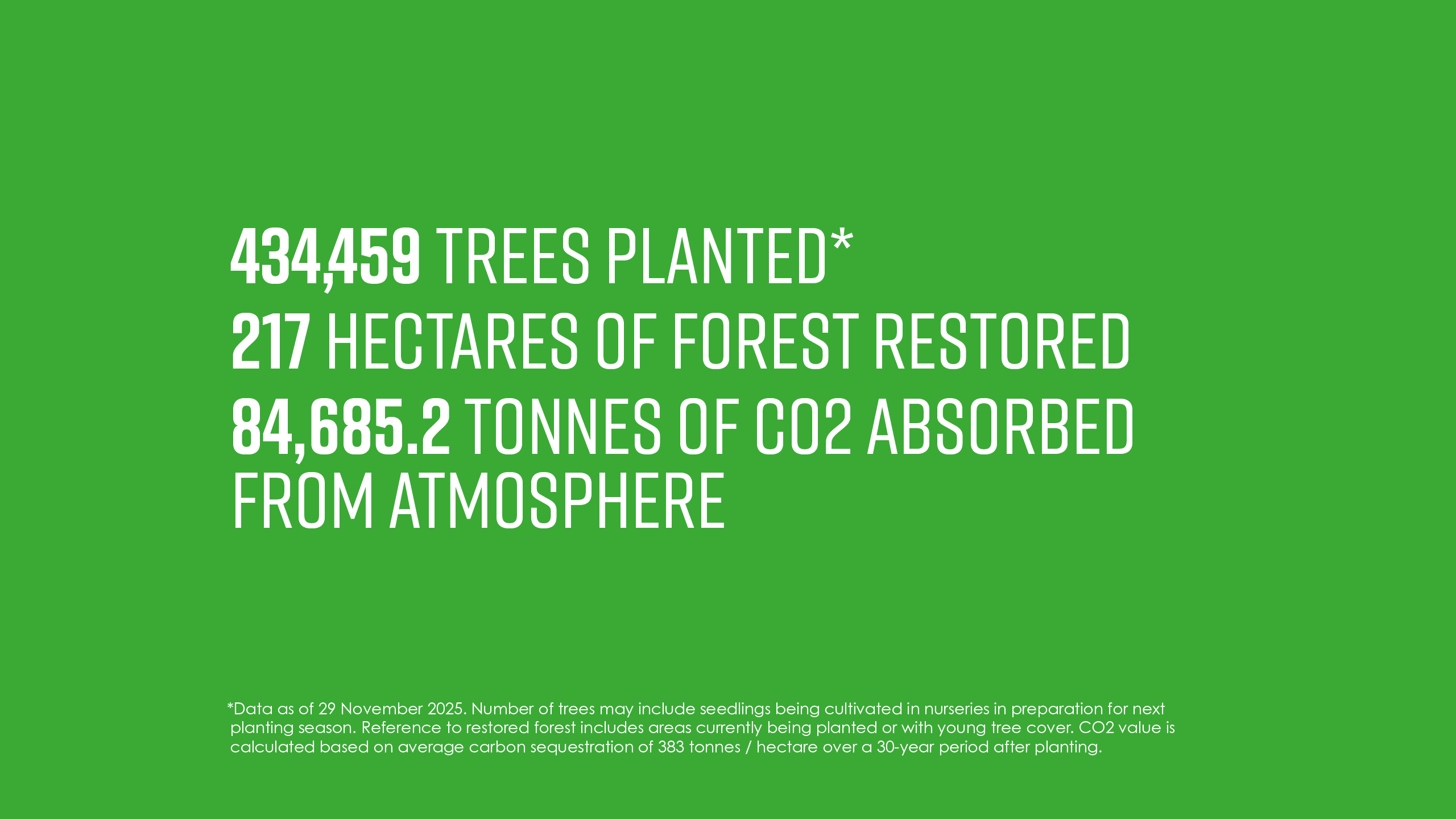
Together with our local partners, our goal is to absorb up to 1,915,709 tonnes of carbon over a 30-year period through our reforestation work.
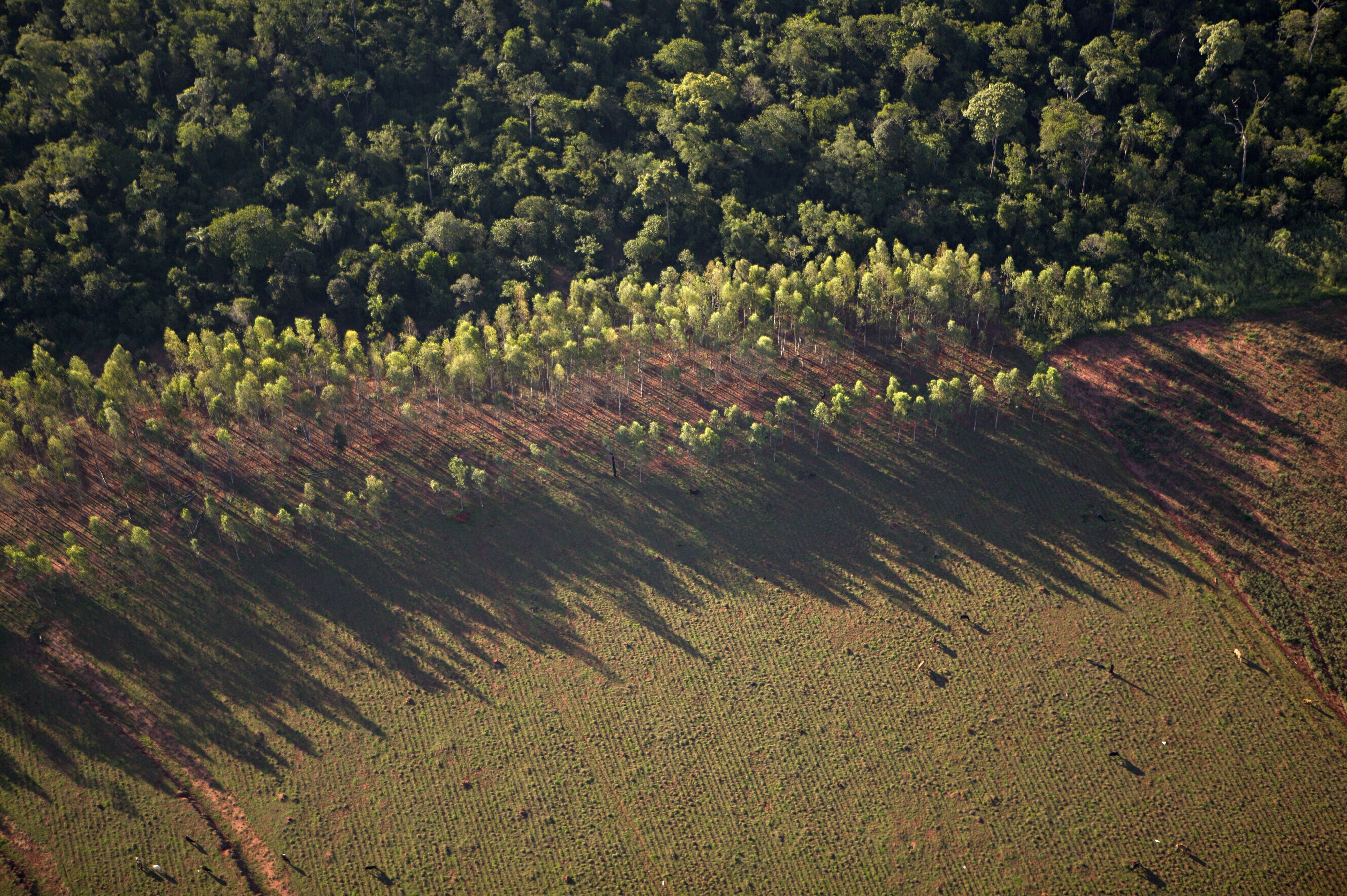
Revive ecosystems
Working together with our partners, our goal by 2030 is to restore 5,000 hectares of forest through a combination of newly planted forest corridors and agroforestry.
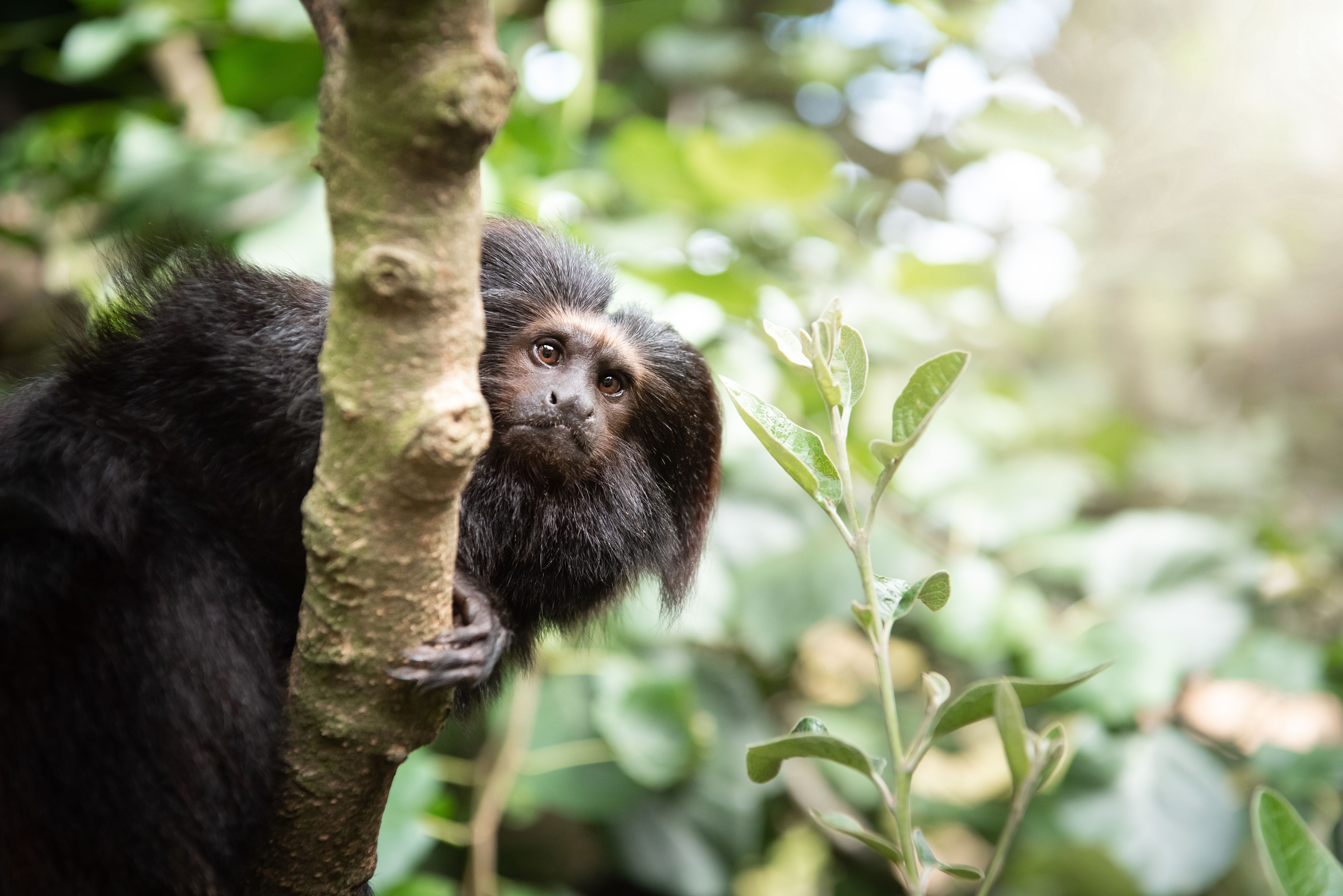
Recover species
By 2030, our goal is to restore the habitat for more than 100 mammal species, 439 bird species and 30 amphibian species that rely on the Atlantic Forest.
Rebuild livelihoods
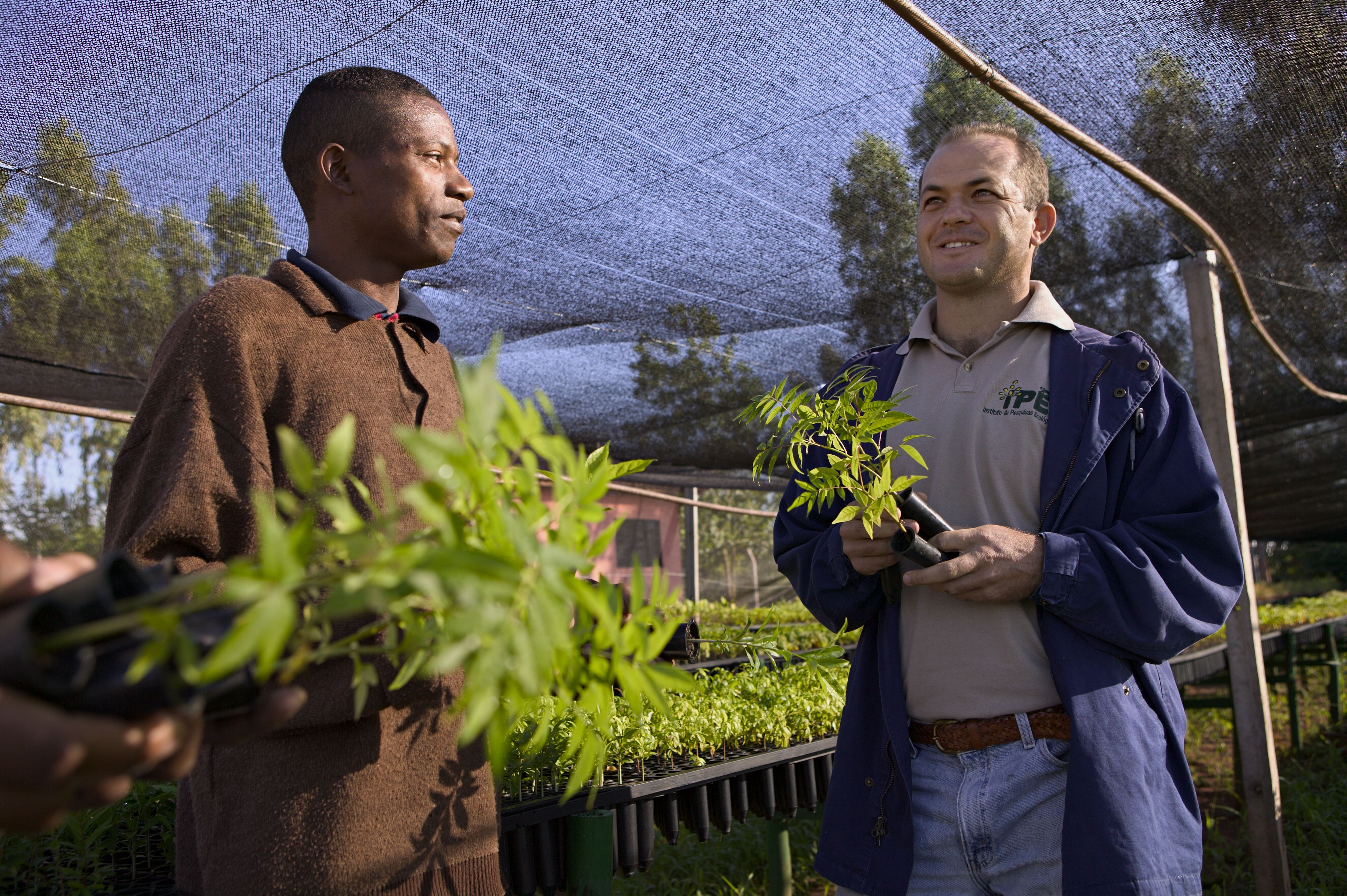
By 2030, our vision is to create direct employment for 250 families in seedling production, generate $9,175,000 of local income and train 800 local people in seedling production and forest restoration.
Since 1990, the world has lost 178 million hectares of forests.
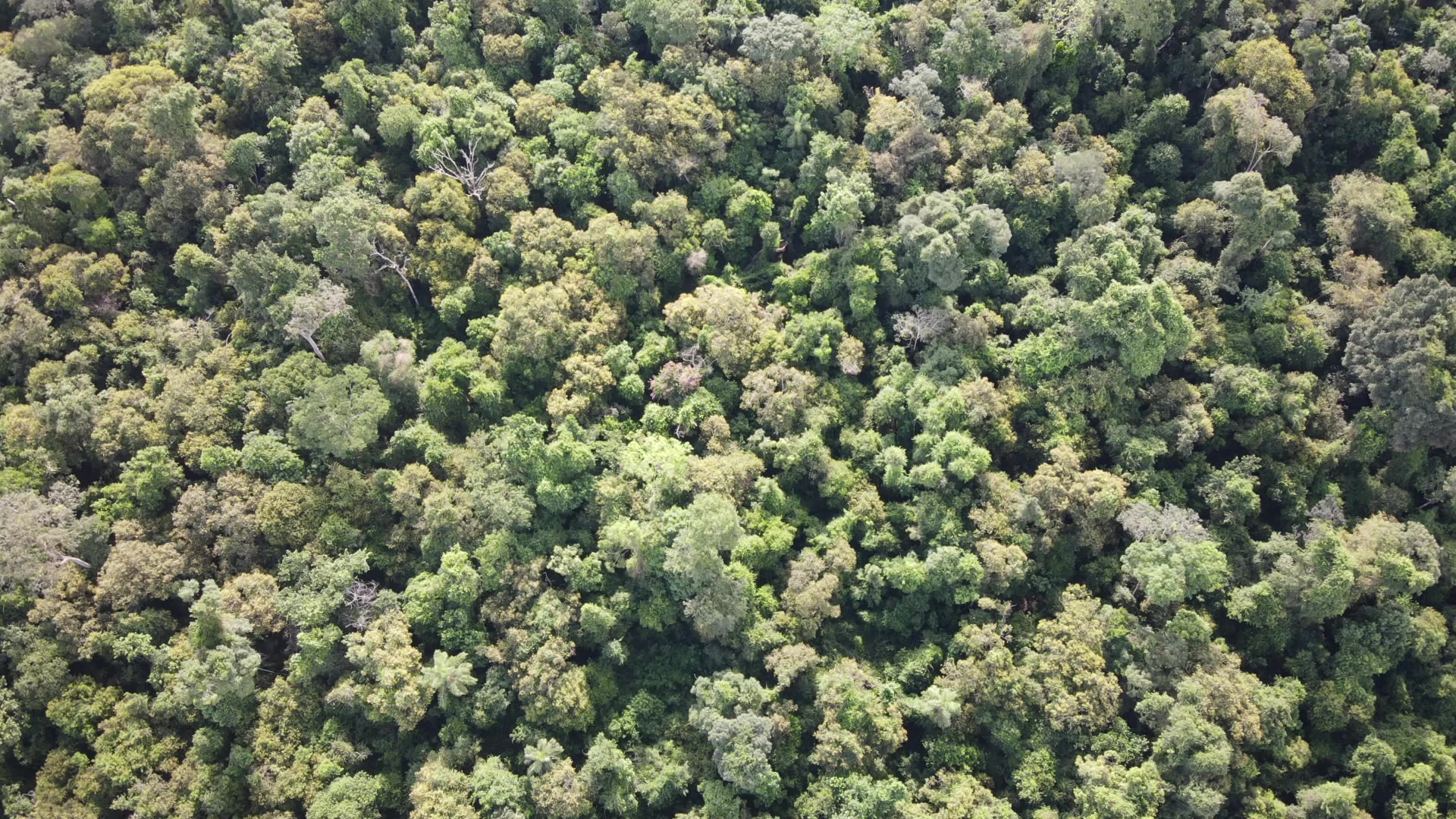
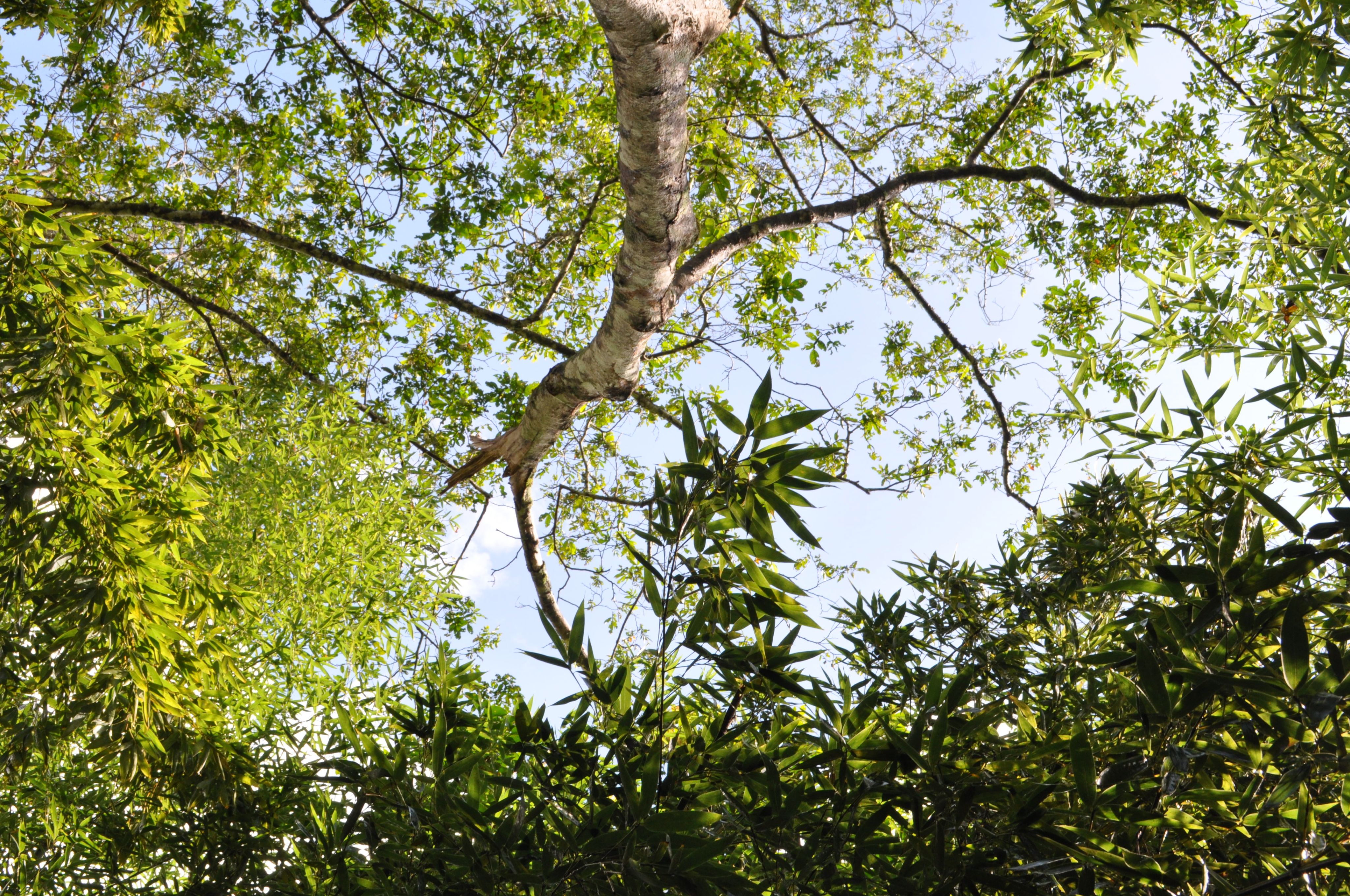
The Atlantic Forest is one of the world’s most threatened and diverse ecosystems. It extends along the Atlantic coast of Brazil and inland as far as Paraguay and northern Argentina.
The Rewild Carbon project region in Brazil’s Pontal do Paranapanema region is estimated to be home to over 100 native species of mammals, 439 species of birds and 30 species of amphibians. Many of these species are found nowhere else on Earth.
Unfortunately, much of the forest has been lost to agriculture, including sugar cane and beef production. As a result, only 6% of the interior forest remains today in scattered fragments.
It is only thanks to schemes such as Rewild Carbon, which provide vital funding, that this fragile forest is being restored.
Tree corridors, linking these fragments of forest, will provide an essential lifeline for threatened species, increasing connectivity and expanding their habitat area.
Working closely with our local conservation partners, Instituto de Pesquisas Ecológicas (IPÊ), we regularly monitor the restoration of the forest as well as the environmental, biodiversity and socio-economic impacts. We apply best-practice guidelines for designing, managing and evaluating landscape reforestation and conservation programmes.
We want you to see the real impact of your investment. This is why we regularly report on the impact Rewild Carbon is having on reforestation and biodiversity as well as the real benefits it is bringing to the local community who call the Atlantic Forest home.


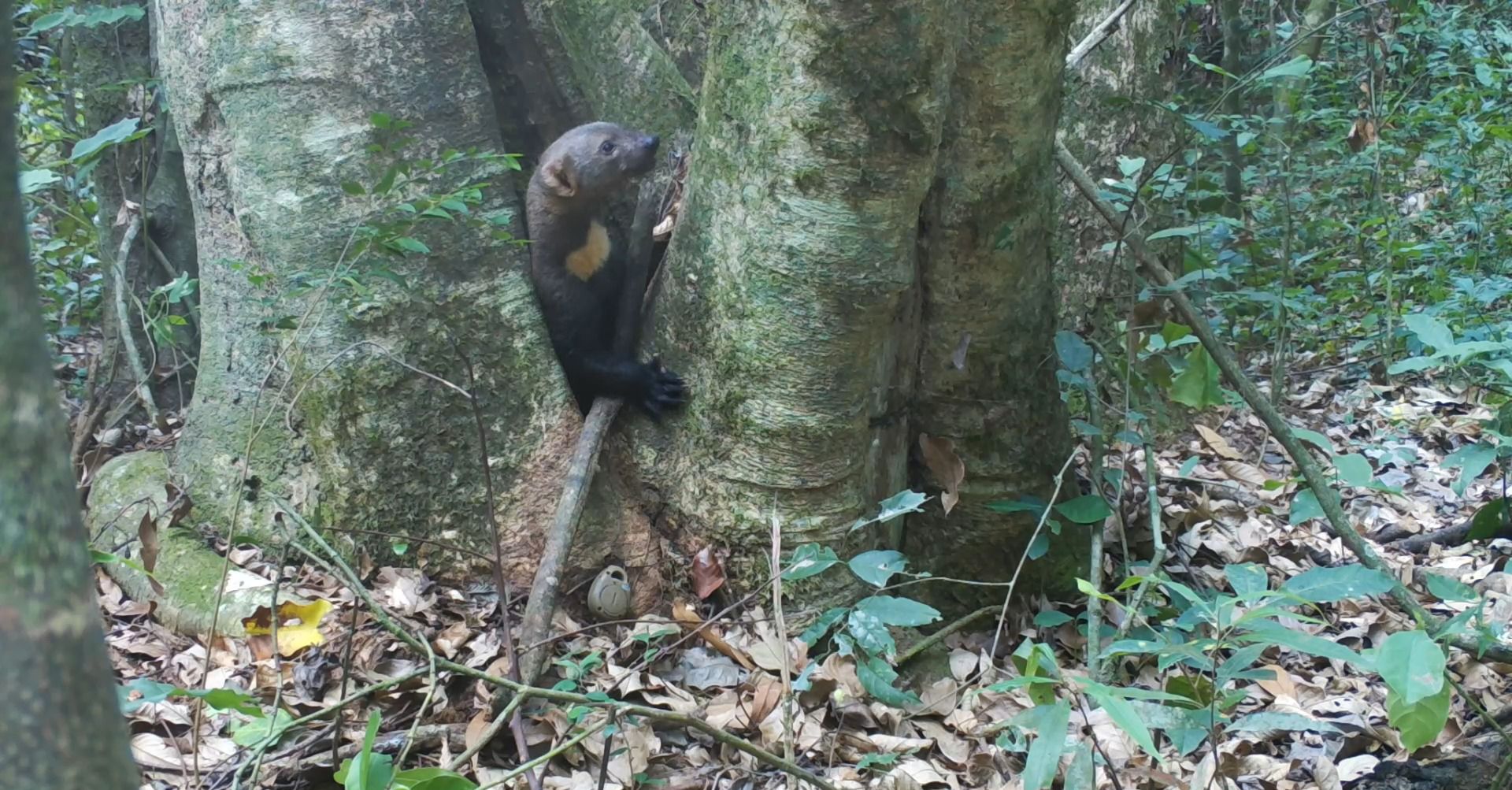
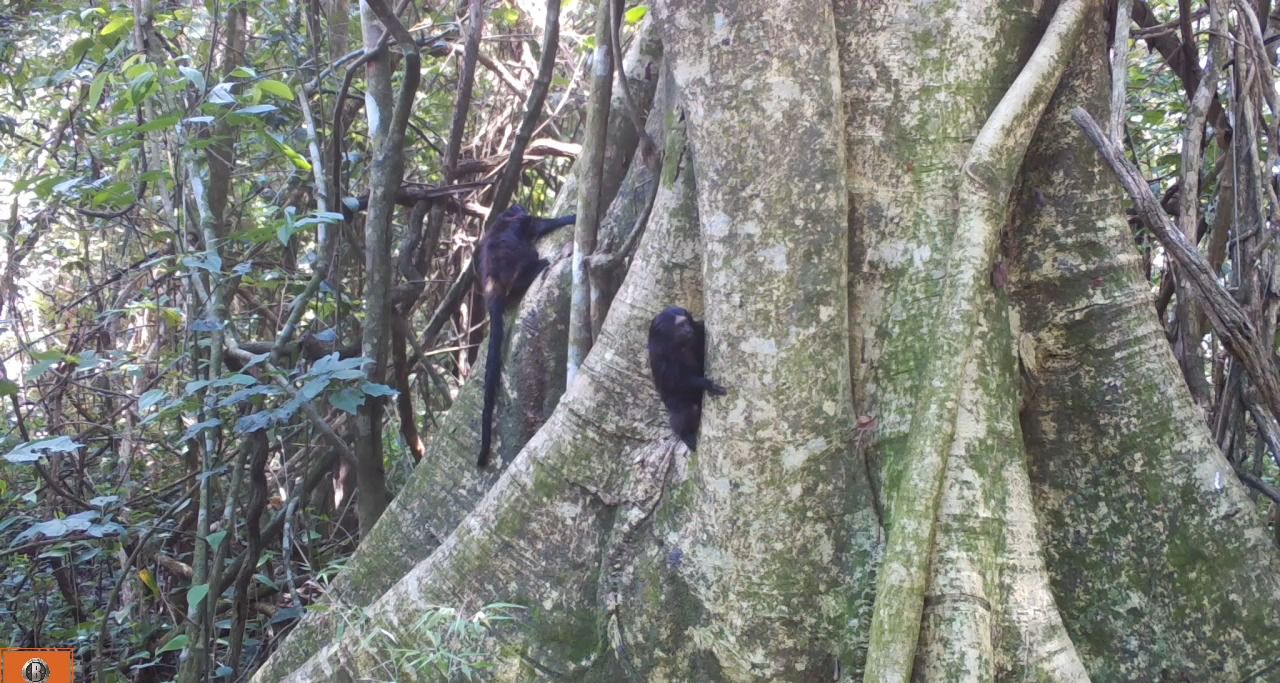
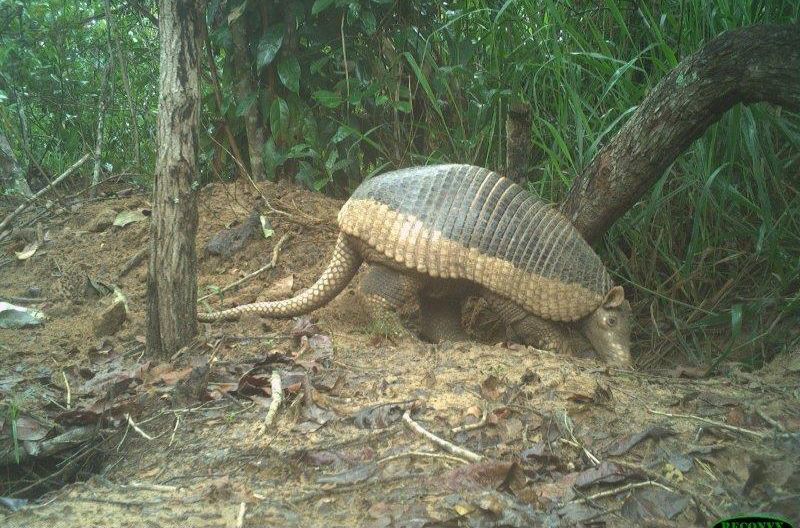
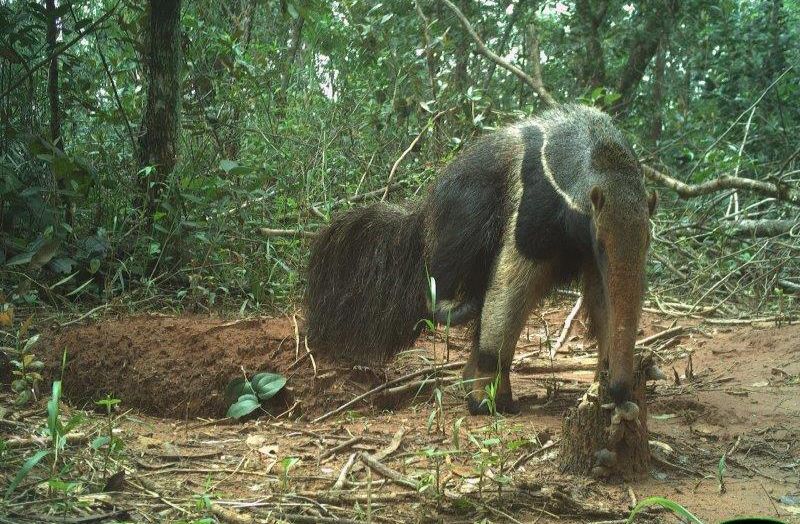
CAMERA TRAP GALLERY


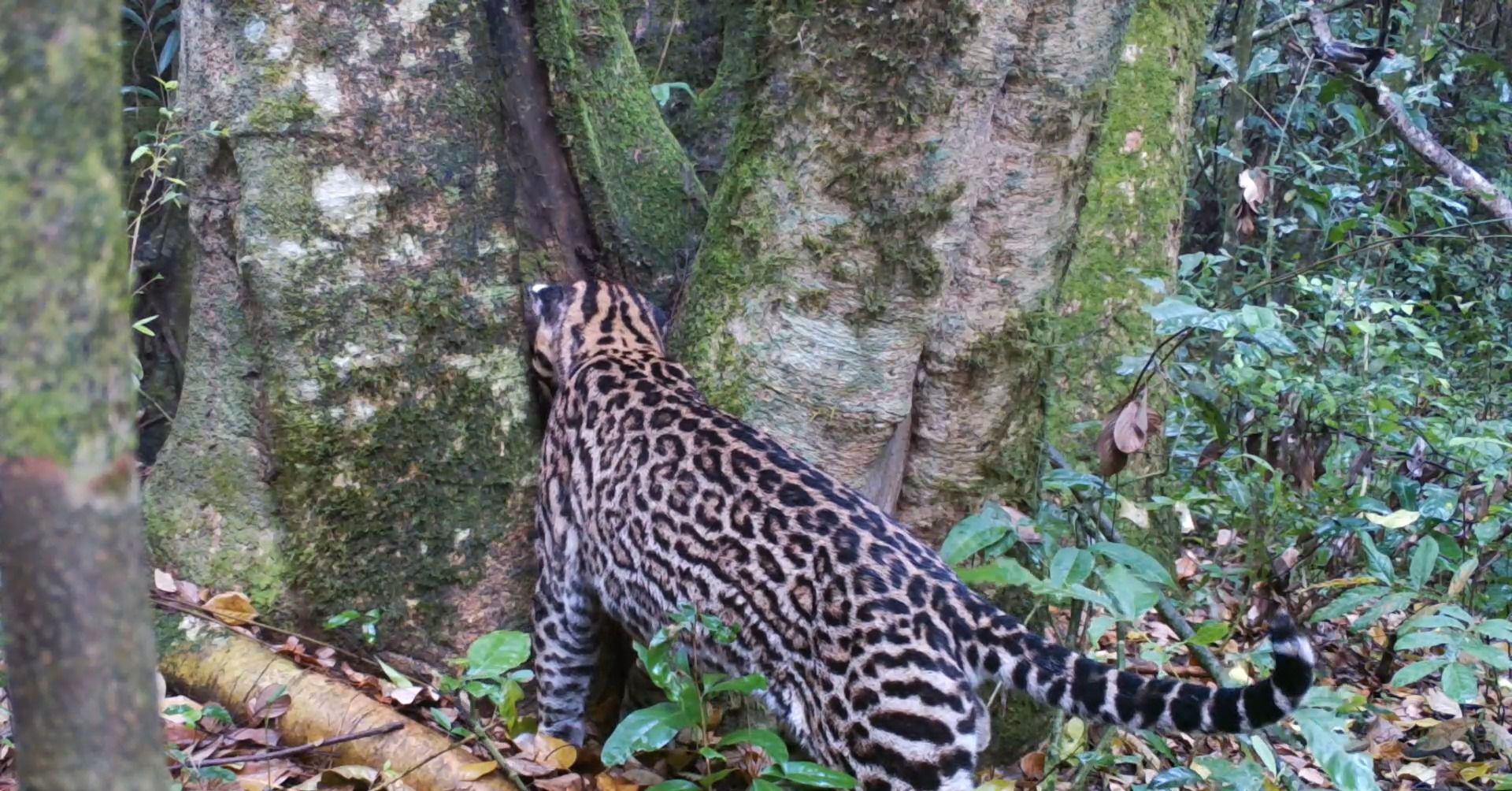




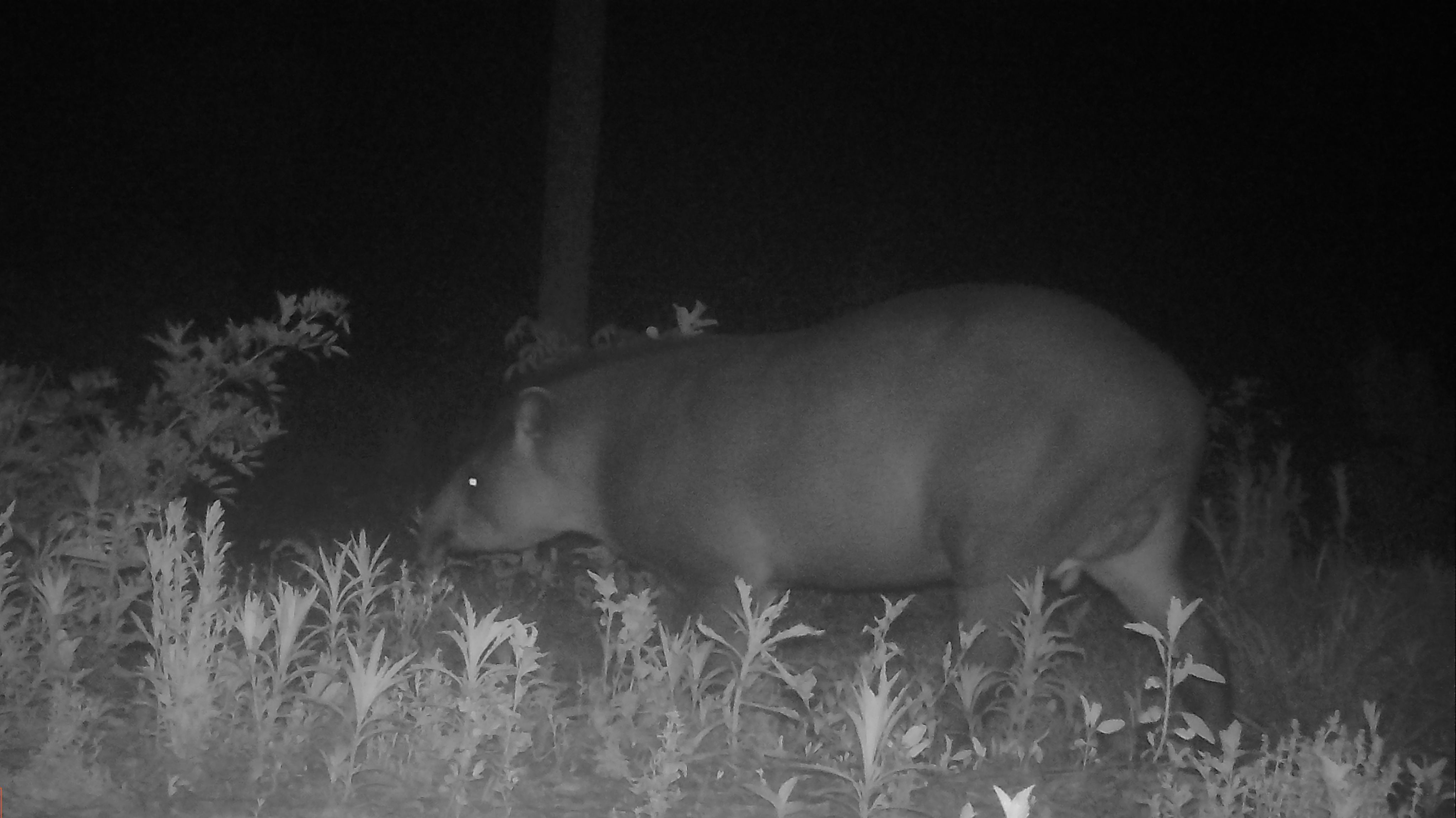

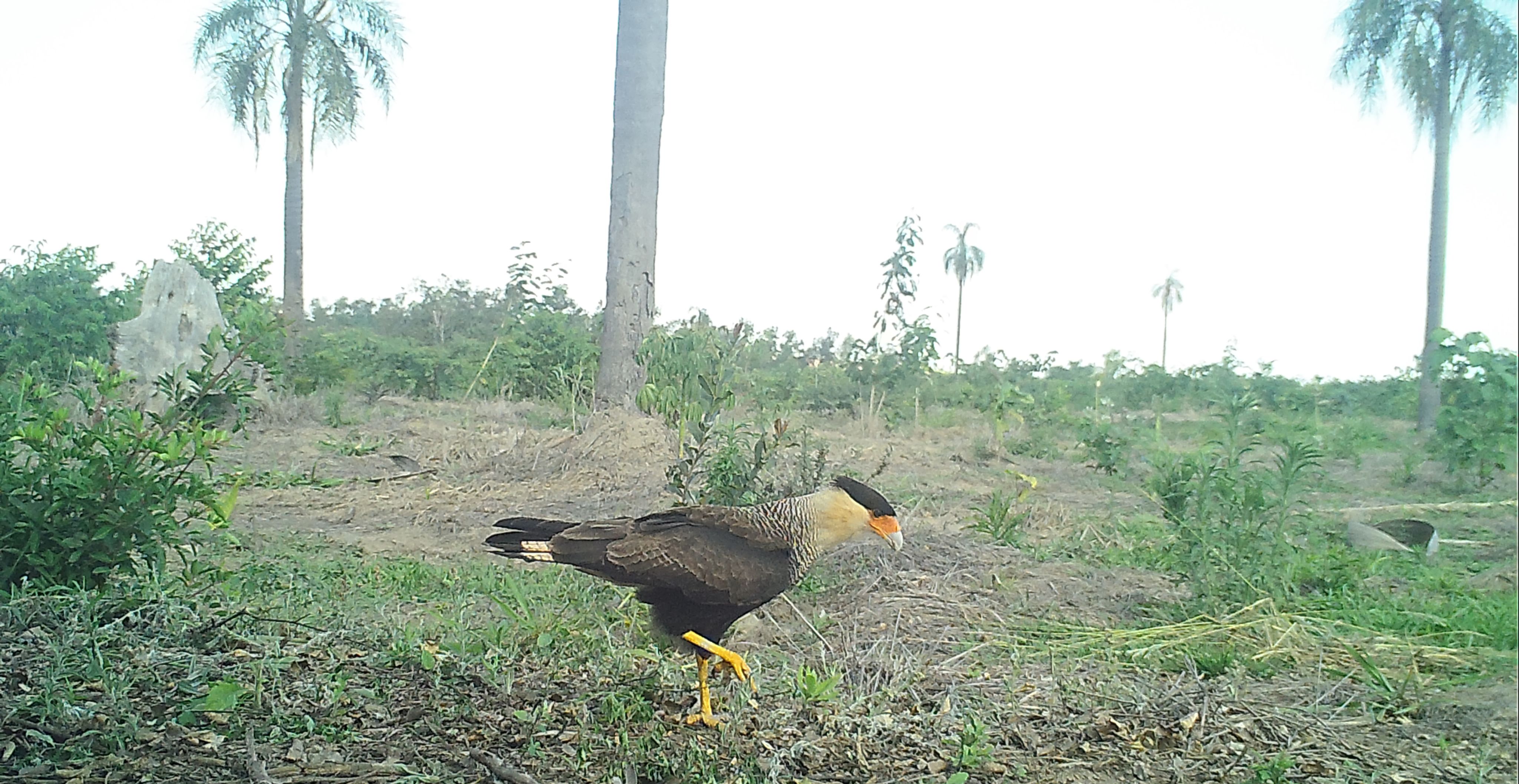

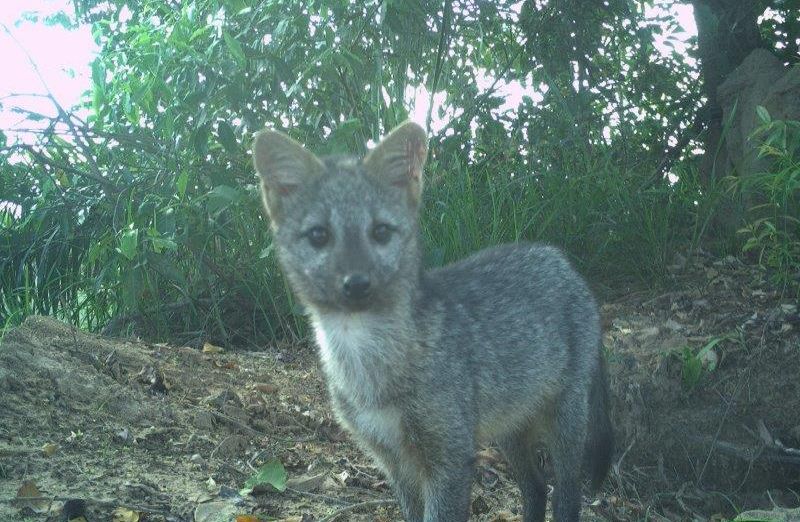

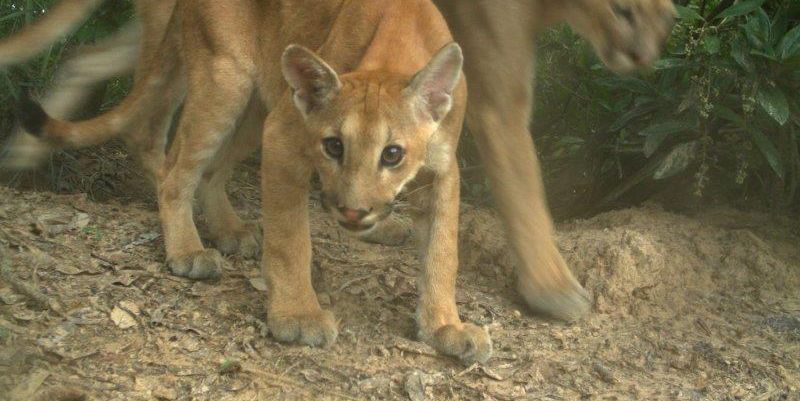



Ocelot
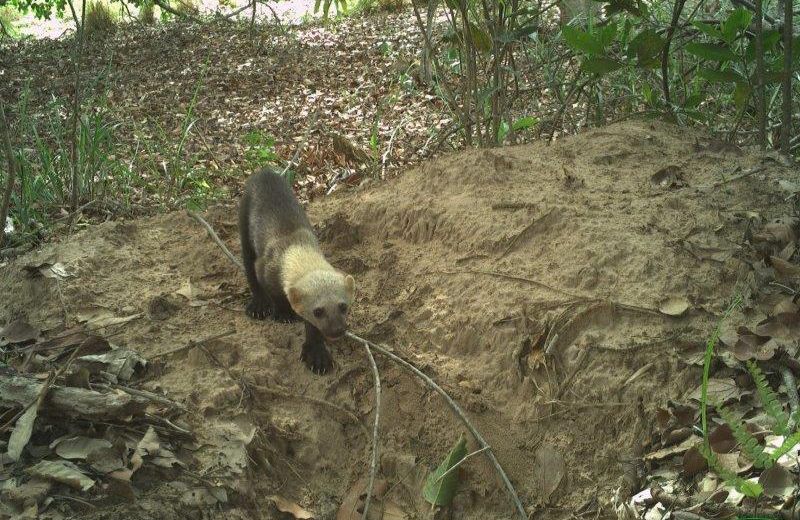
Tayra
Black lion tamarins
Six-banded armadillo
Giant anteater
Lowland tapir
Crested caracara
Crab eating fox
Puma
Tayra
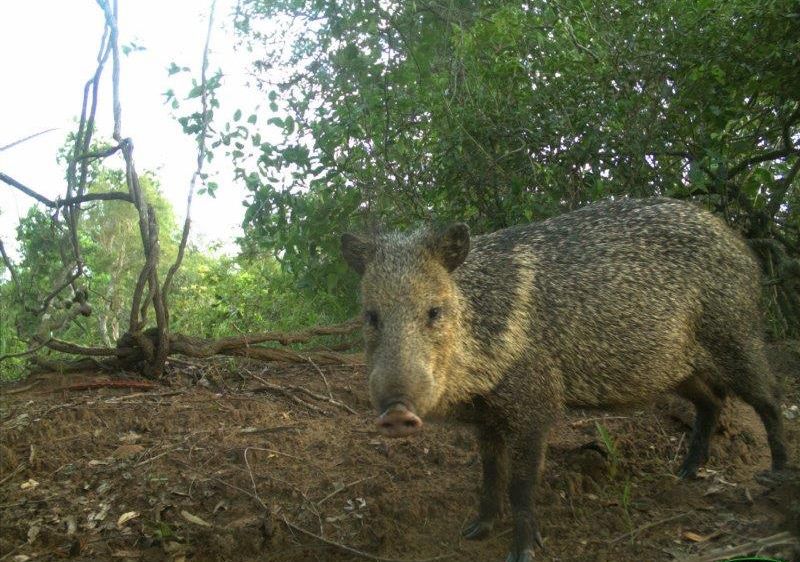
Collared peccary
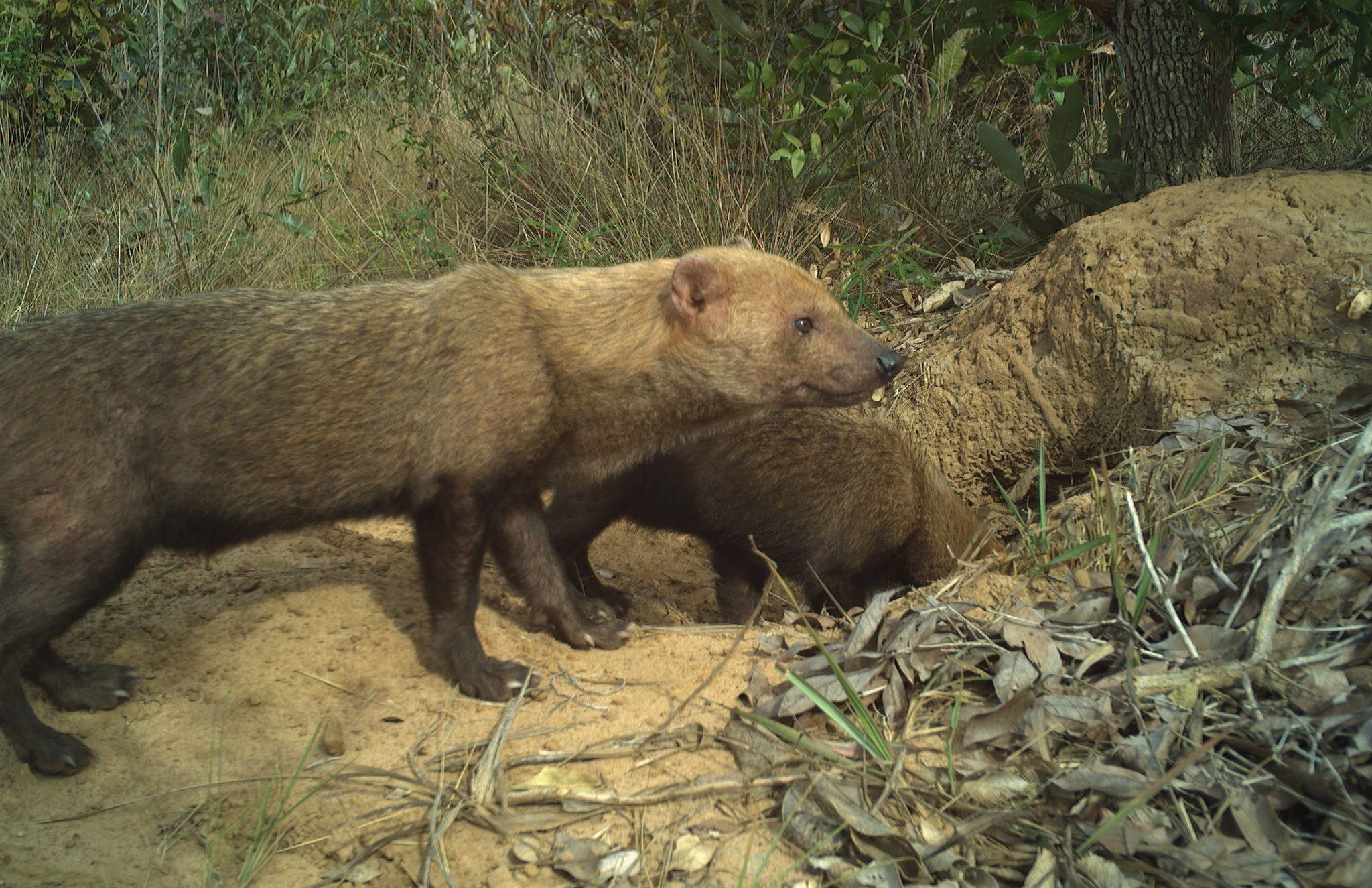
Bush dog
Rewild Carbon Impact Reports and Newsletters
Every tree planted, every hectare of forest being restored, and every member of the community supported reflects your dedication to a brighter, more sustainable future. Thank you for making a difference!

If you would like to know more about Rewild Carbon, its impact and your involvement, please contact us at rewild.carbon@durrell.org

 Built with Shorthand