
Latest from Brazil
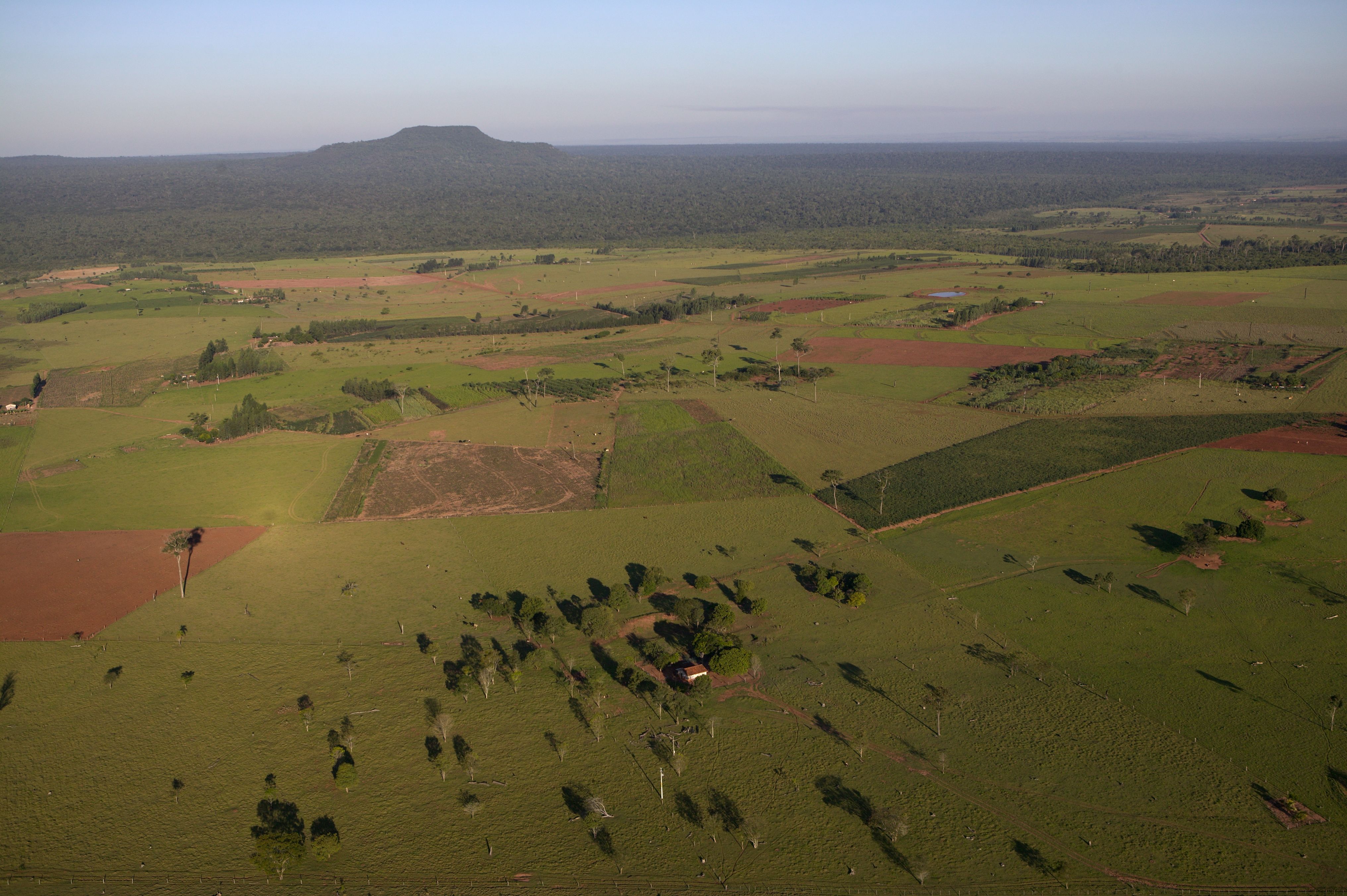


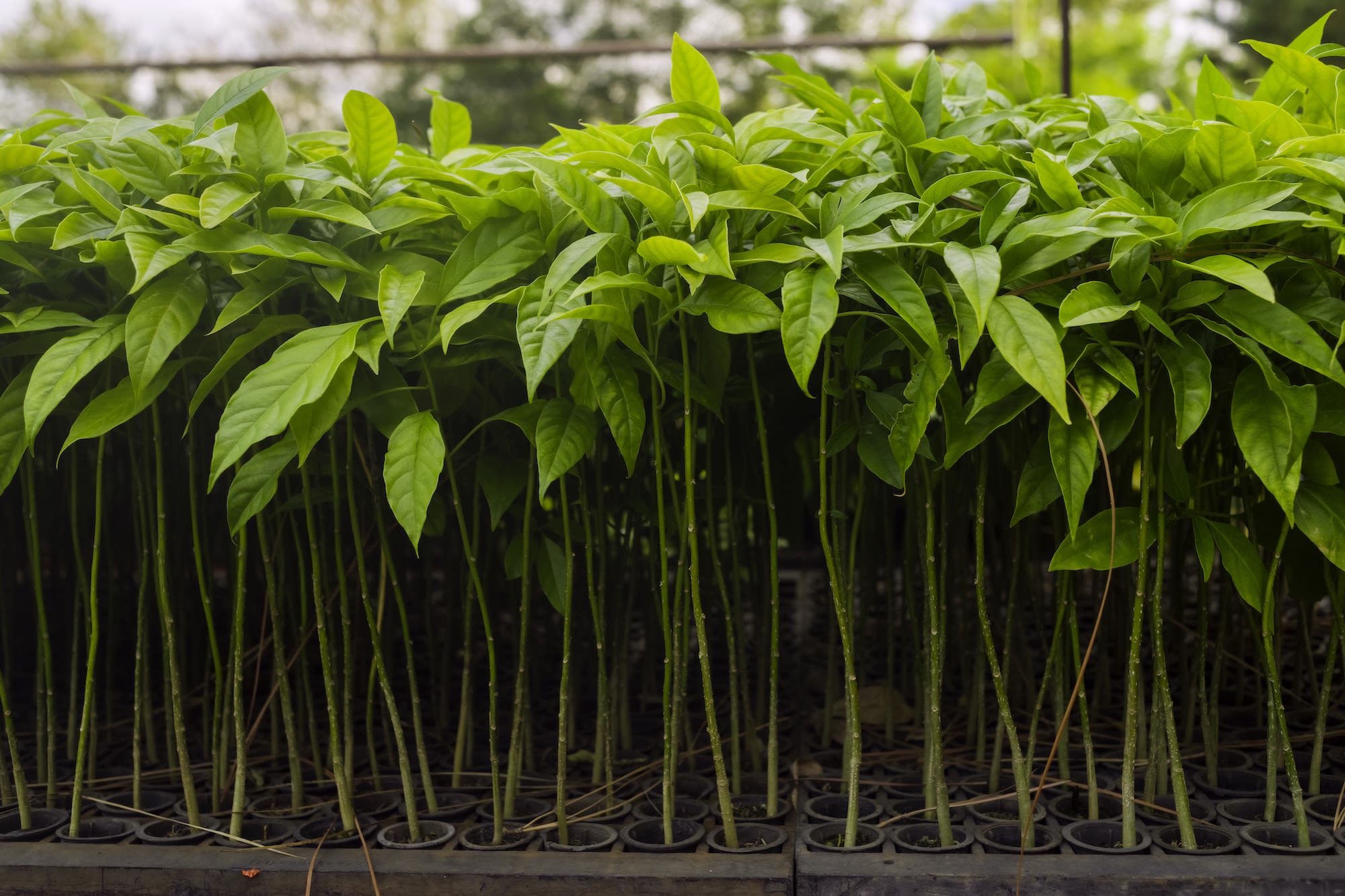
POLYGON 10 UPDATE
April 2026 We are delighted to share that thanks to the funding from our Rewild Carbon business partners, work has begun on our next polygon, bringing us up to 10 planting polygons in total! Reaching double digits is a huge milestone, and we are incredibly thankful for all your support. The soil is currently being prepared and planting will commence shortly, adding another 17 hectares of forest corridor to the area.

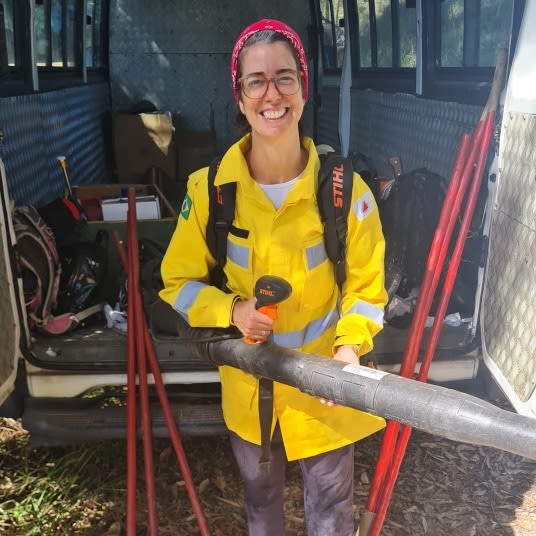
firefighter training
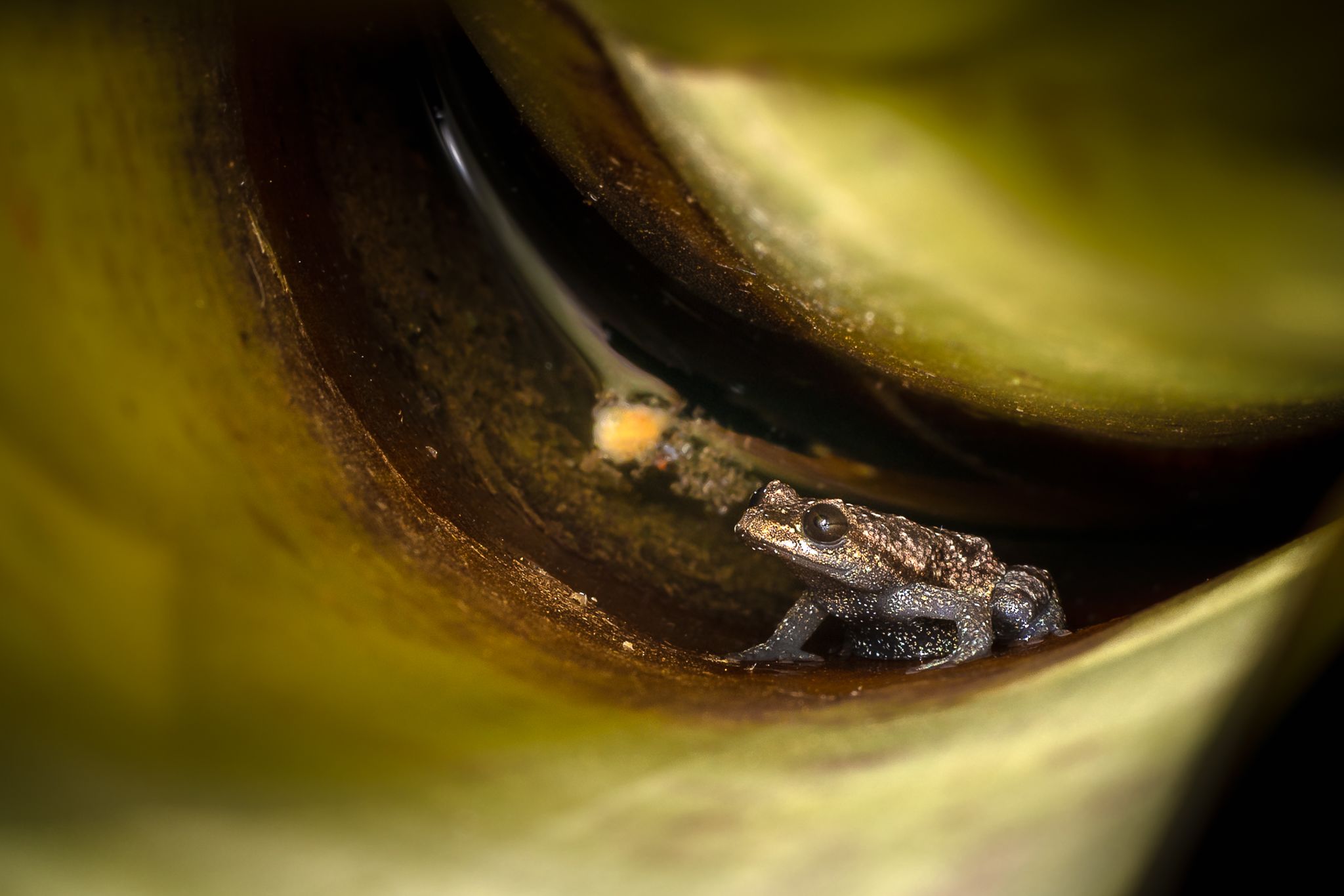
March 2026 SAFE Programme Coordinator Bela Barata is now fully trained to fight fires after completing a week-long training session with firefighters in Brazil. She is qualified to assist firefighting efforts alongside the community volunteer brigades in the Espinhaço mountain region. Your investment helps support these volunteer fire brigades reduce fire incidence in the area, which is home to the Crossodactylodes itambe, a rare and threatened bromeliad-dwelling frog.

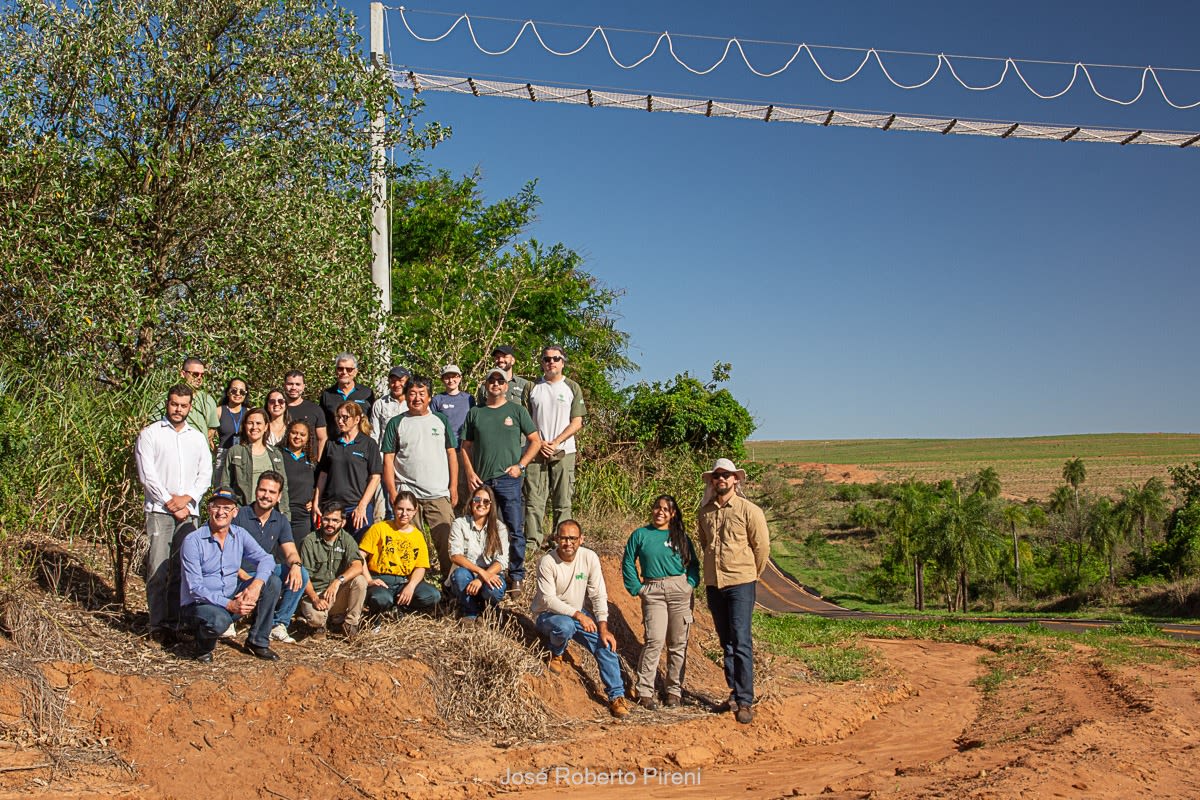
Wildlife bridge
February 2026 The first canopy bridge for the Black Lion Tamarin Conservation Programme (BLTCP) has been completed after four years of hard work planning, fundraising and building. The project was a huge collaborative effort between many parties, including the BLTCP, the municipal government and local landowners. This bridge complements other connectivity efforts, such as habitat restoration, creating safe passage for wildlife to move between forest fragments.

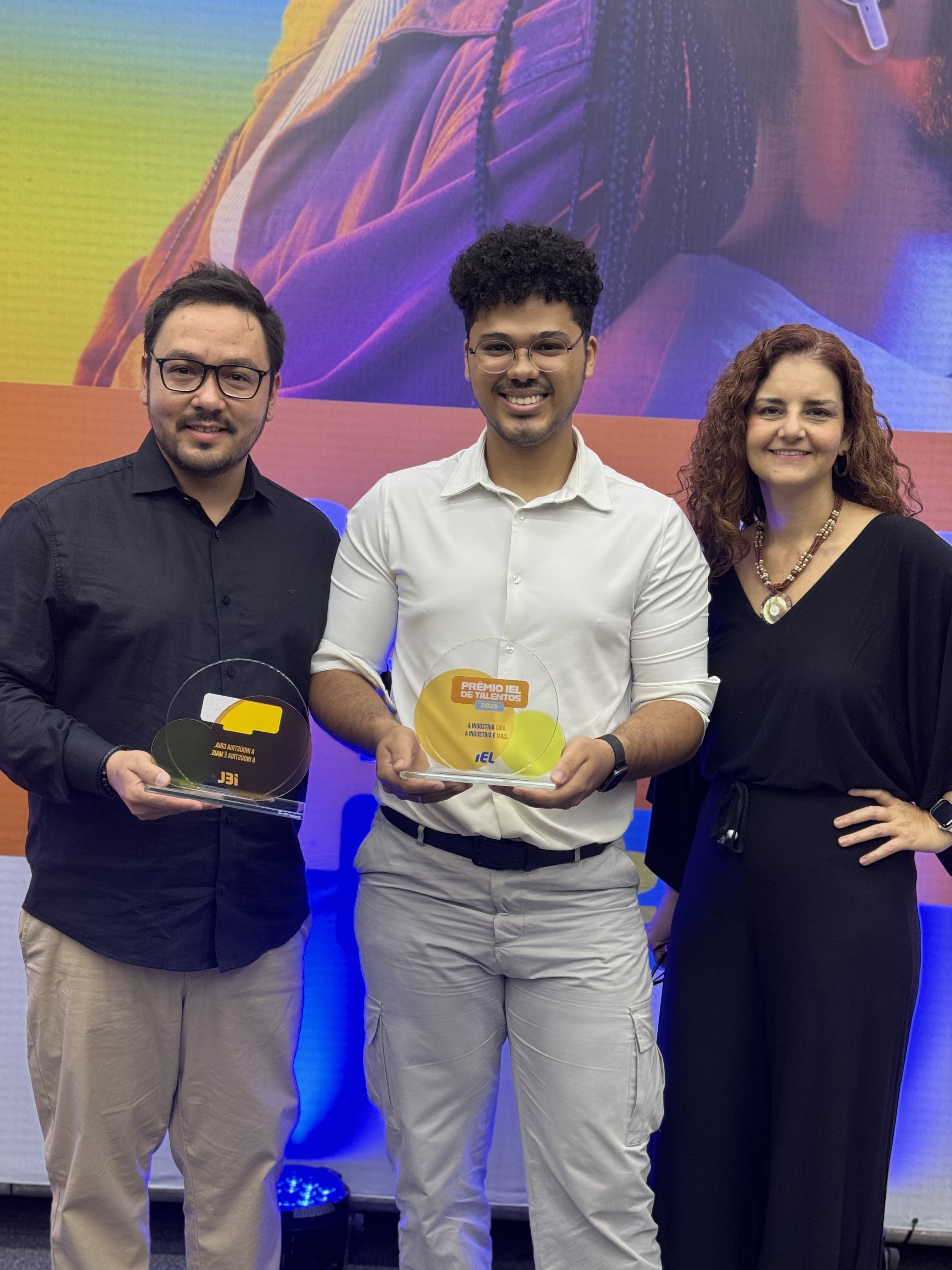
AWARD WINNING INTERNSHIP
January 2026 ICAS were recognised in the 2025 IEL Talent Awards in two categories: Innovative Internship and Innovative Intern. At the national stage, ICAS placed 11th out of 759 entries for their internship program and Matheus Stanley won 2nd place in his category. Your investment in Rewild Carbon funded internships for Matheus and other undergraduates to work alongside ICAS to kick-start their careers in conservation and to build local capacity.

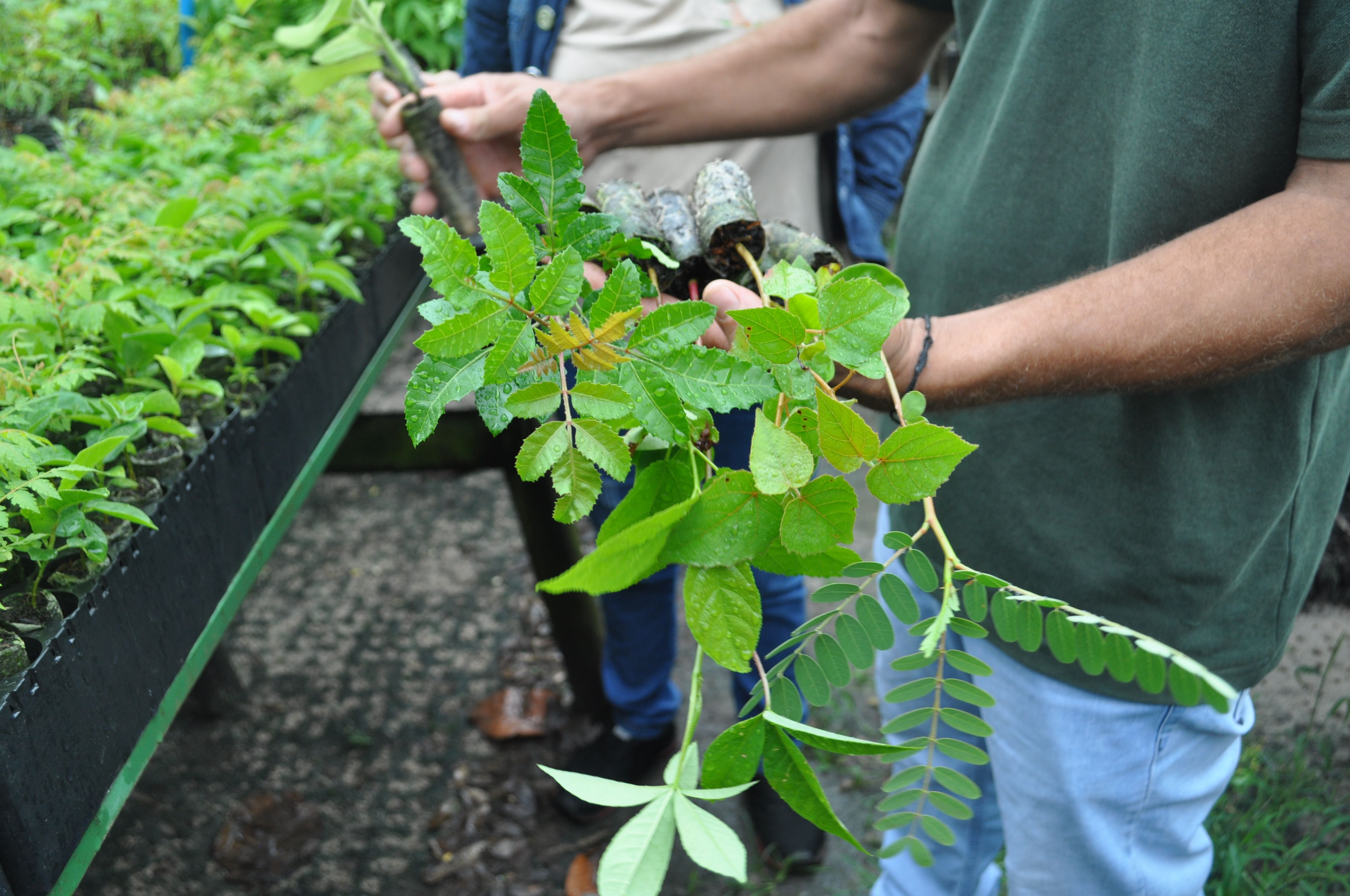
Polygon 9 update
December 2025 We are thrilled to share that planting has been completed in Polygon 9, adding another 15 hectares to our tree corridors. The young trees will be nurtured for the next few years to make sure they can survive independently. The team will carry out various maintenance activities, including removing invasive grasses and making sure the trees have enough water during the dry season.

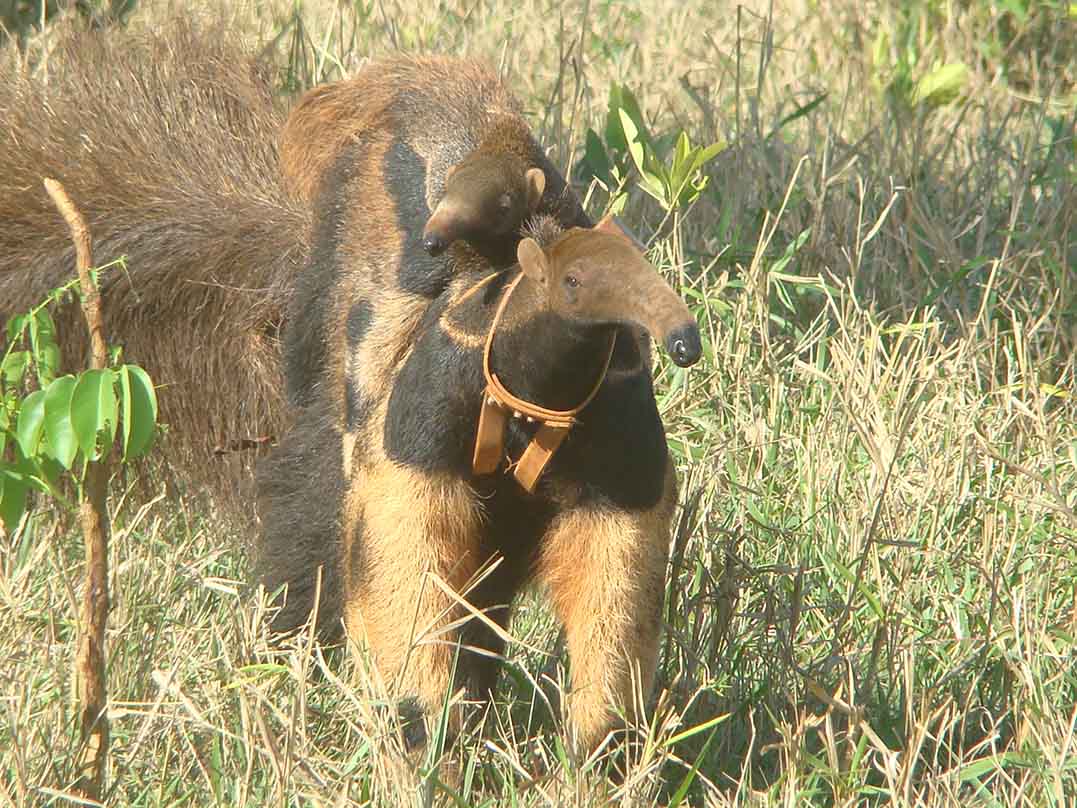
Protecting giant anteaters
November 2025 On 19th November we celebrate World Anteater Day. We work alongside conservation partners ICAS to help protect this vulnerable species. Your investment has helped fund a number of important conservation actions, including several radio collars to monitor individuals to better understand the species’ ecology and behaviour, workshops with local communities to promote coexistence, and the rehabilitation of orphaned anteaters and their reintroduction to the wild.
More from brazil

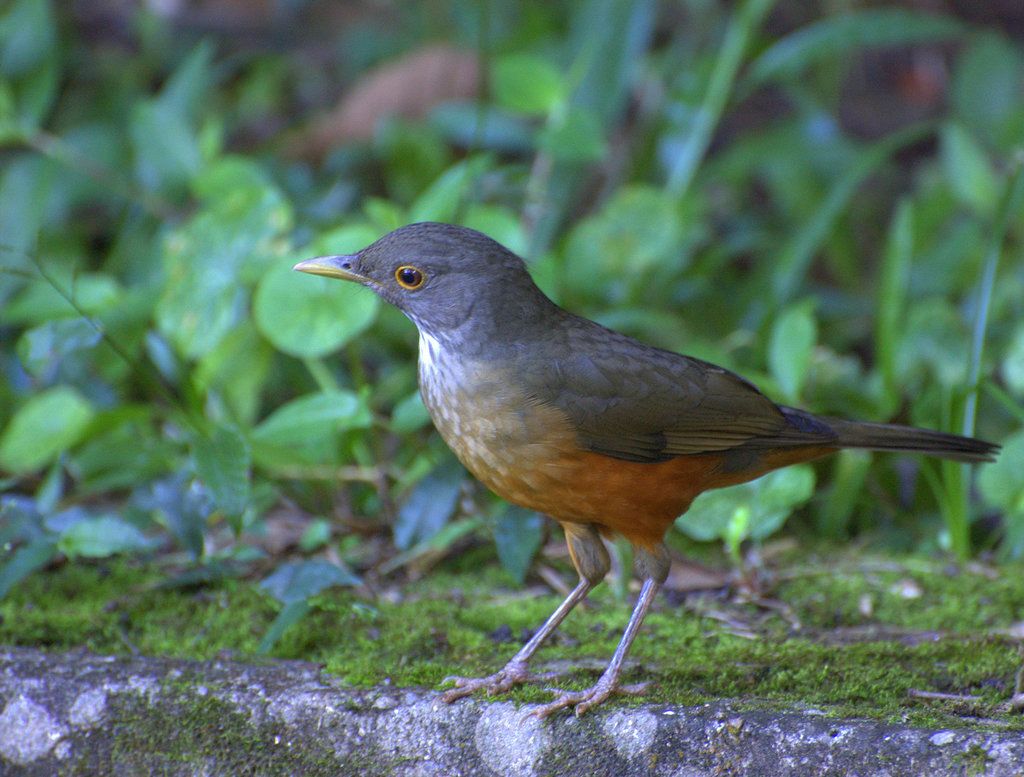
Bird of Brazil
October 2025 The rufous-bellied thrush (turdus rufiventris) is one of over 60 bird species recorded in our tree corridors. It has been the national bird of Brazil since 2002 and the state bird of São Paulo since 1966. The rufous-bellied thrush is omnivorous, eating a mix of insects and fruit, including the berries of the queen palm (syagrus romanzoffiana), one of the tree species planted in our corridors.
Photo: Dario Sanches

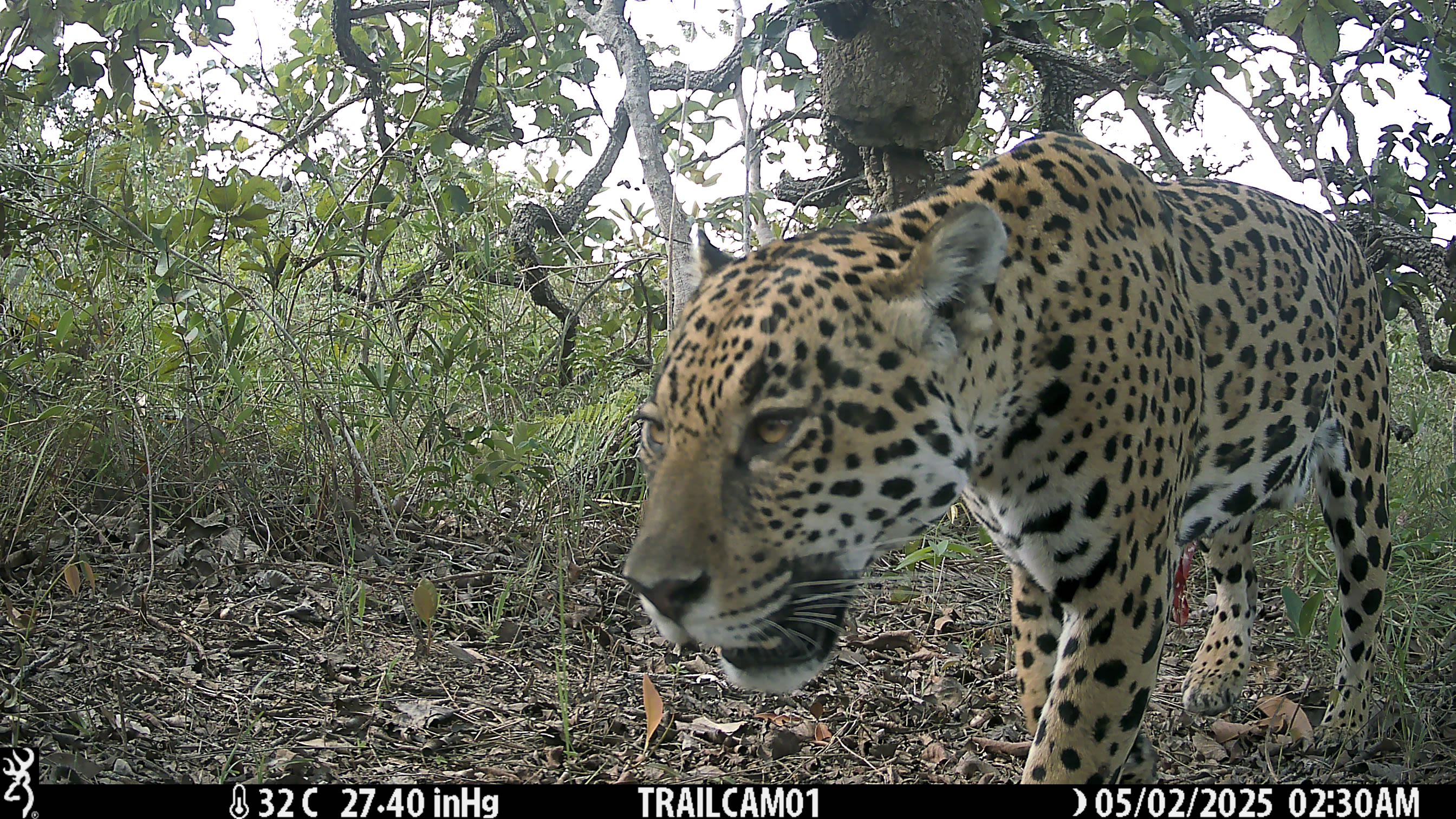
Big cat close up
September 2025 A jaguar (panthera onca) has been spotted by a camera trap set up in the Peruacu mosaic. The biggest cat species in the Americas, jaguars have a unique coat of pale-yellow fur covered by dark spots and rosettes to help them blend into the forest environment. Sadly, the species is threatened by habitat loss. Reforestation projects like Rewild Carbon are vital for the future survival of this beautiful big cat.

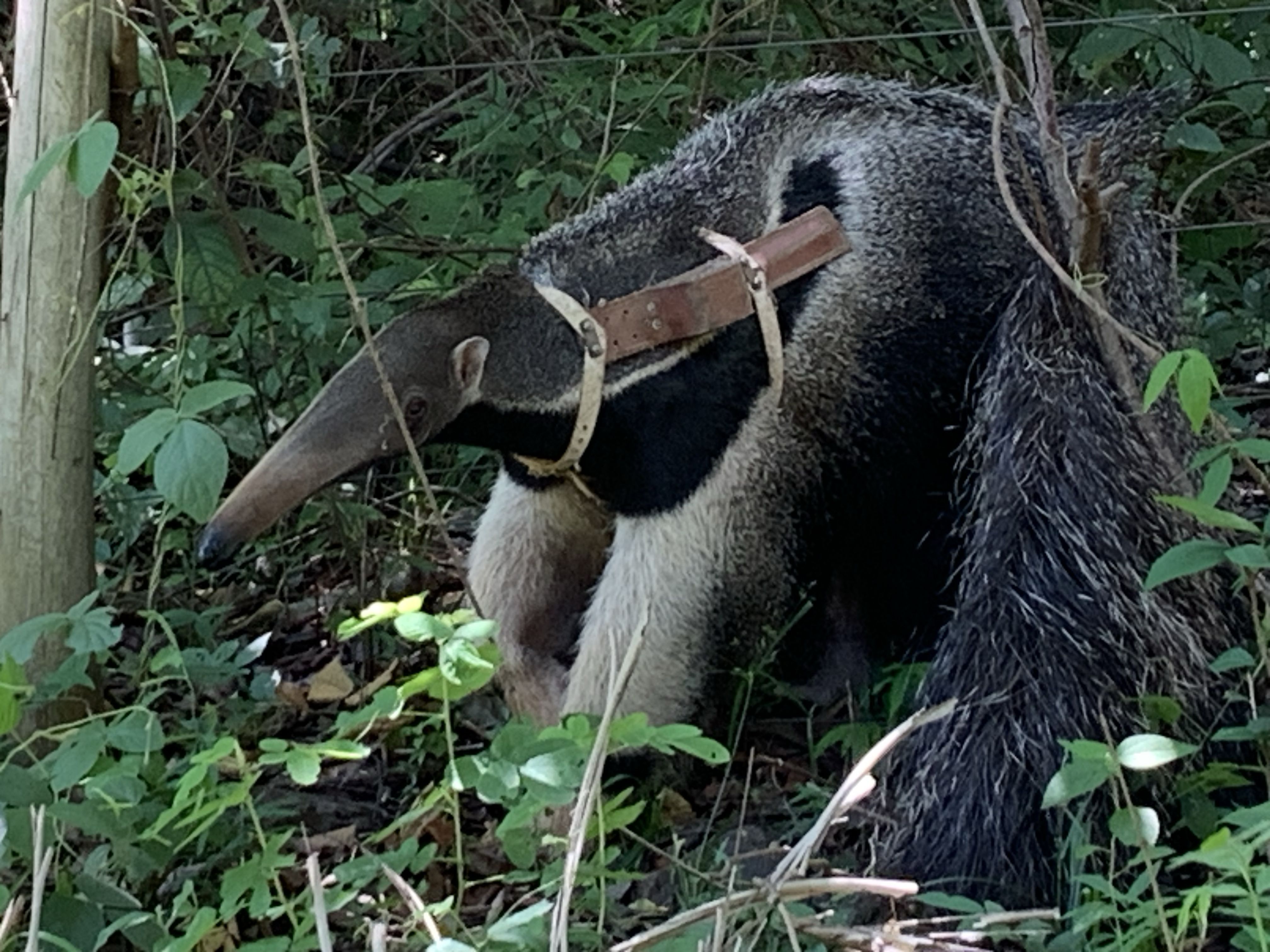
Back to the wild
August 2025 Earlier this year Eliza and Luar, two of the giant anteater pups named by Rewild Carbon supporters, were fitted with GPS collars and released back into the wild after successful rehabilitation. Luar is still living in the area around the rehabilitation centre, while Eliza has ventured further afield. Our conservation partners ICAS will continue to monitor them to learn more about the species and their movements.
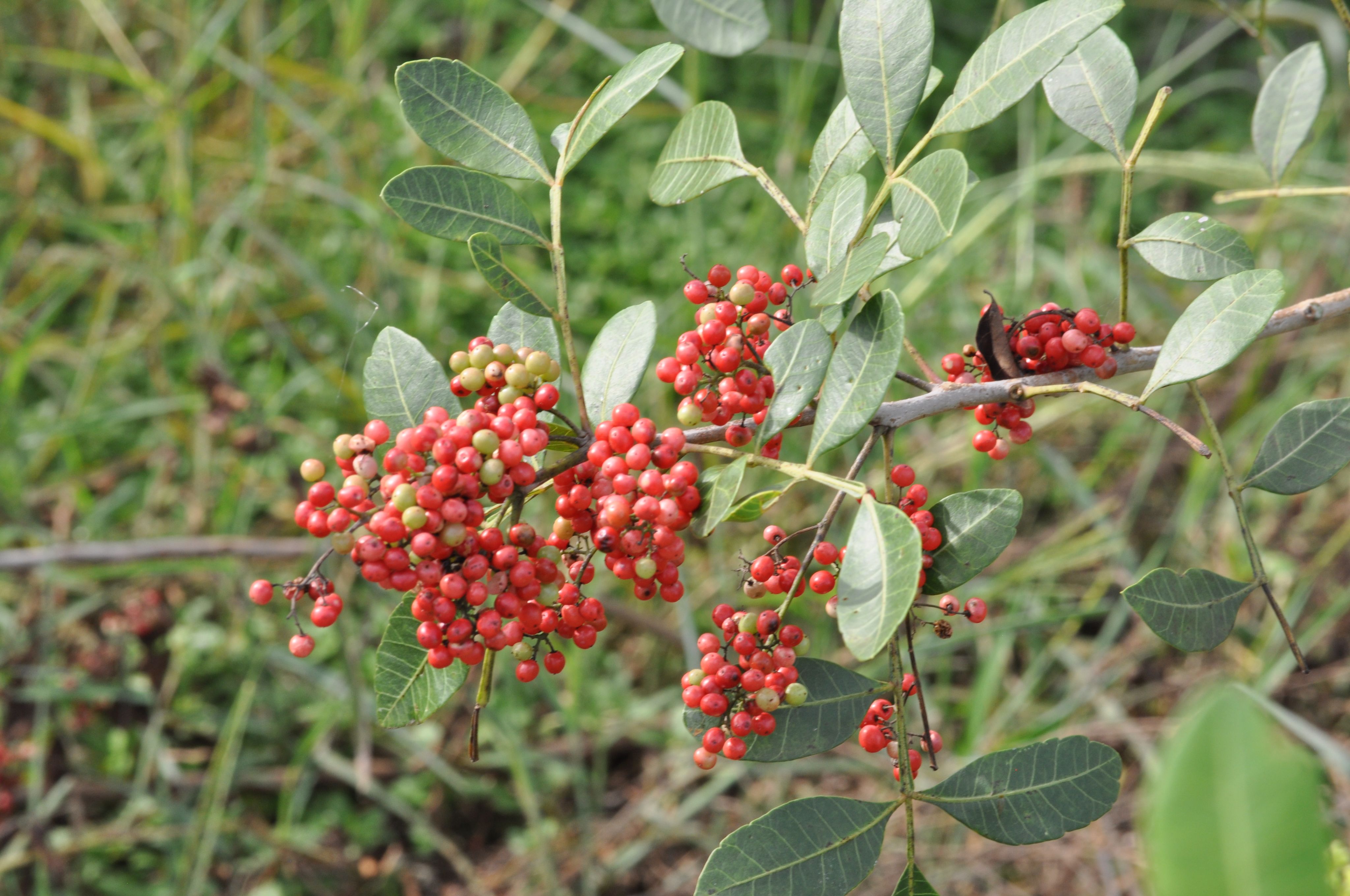
Bright berries and towering trees
July 2025 Our tree corridors are planted using a mix of native species trees, including the Brazilian peppertree (schinus terebinthifolius). This species grows quickly, often exceeding 2 meters in height in less than 2 years, and can reach 10 meters when fully grown. The female trees produce bright red berries, which are eaten by local birds. The birds are important seed dispersers, allowing for natural regeneration of the forest.

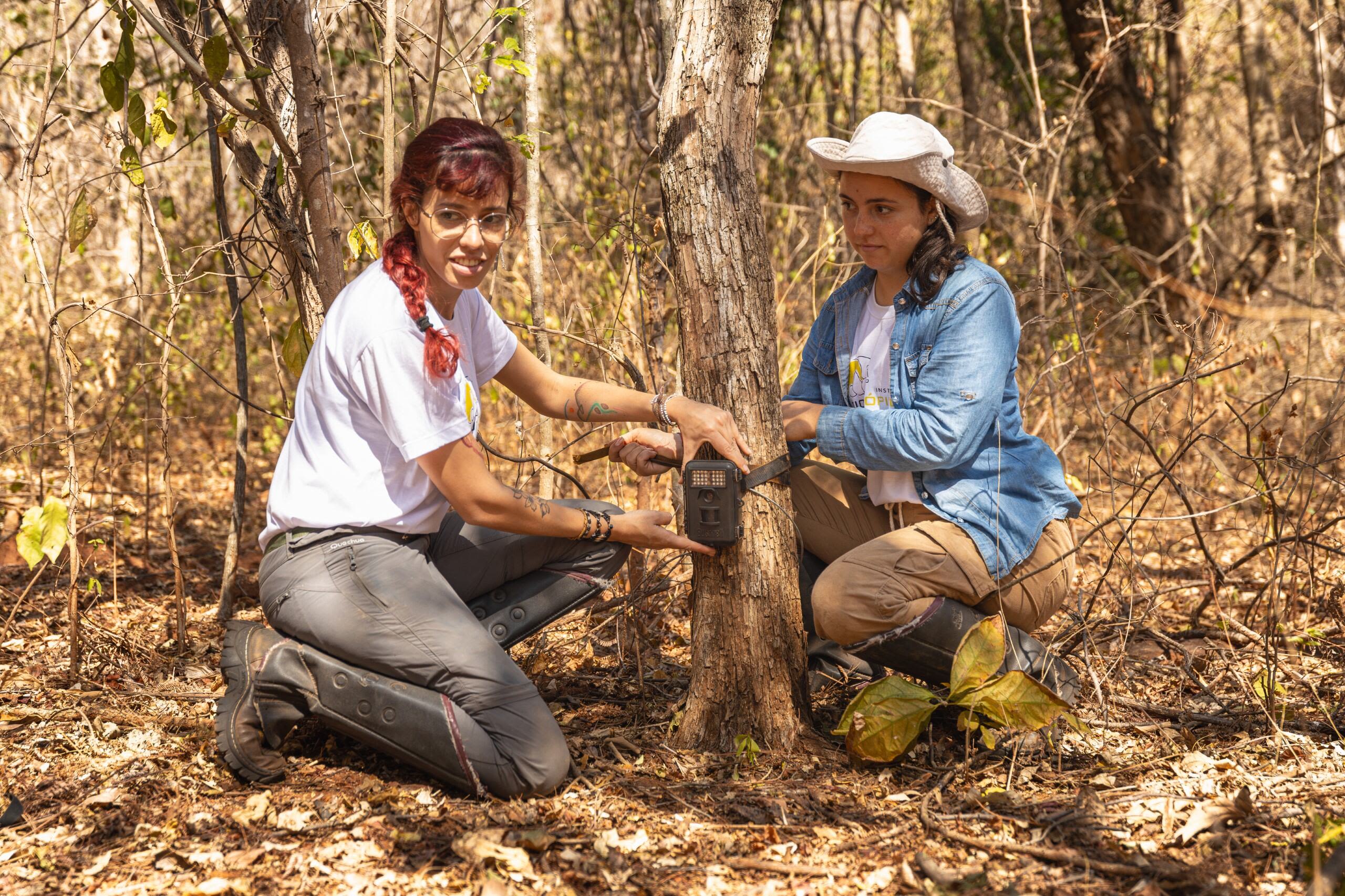
AI IN CONSERVATION
June 2025 Camera traps are an essential tool for conservation. But for every positive image captured, there may be thousands of blanks. This is where AI can help – screening images to select those which contain an animal. In a recent trial using over 35,000 photos, our partners Instituto Biótropicos recorded a 98% accuracy rate in identifying blank images. This saved many hours of work for the team, allowing them to focus on manually identifying species captured in the positives.

Empowering local communities
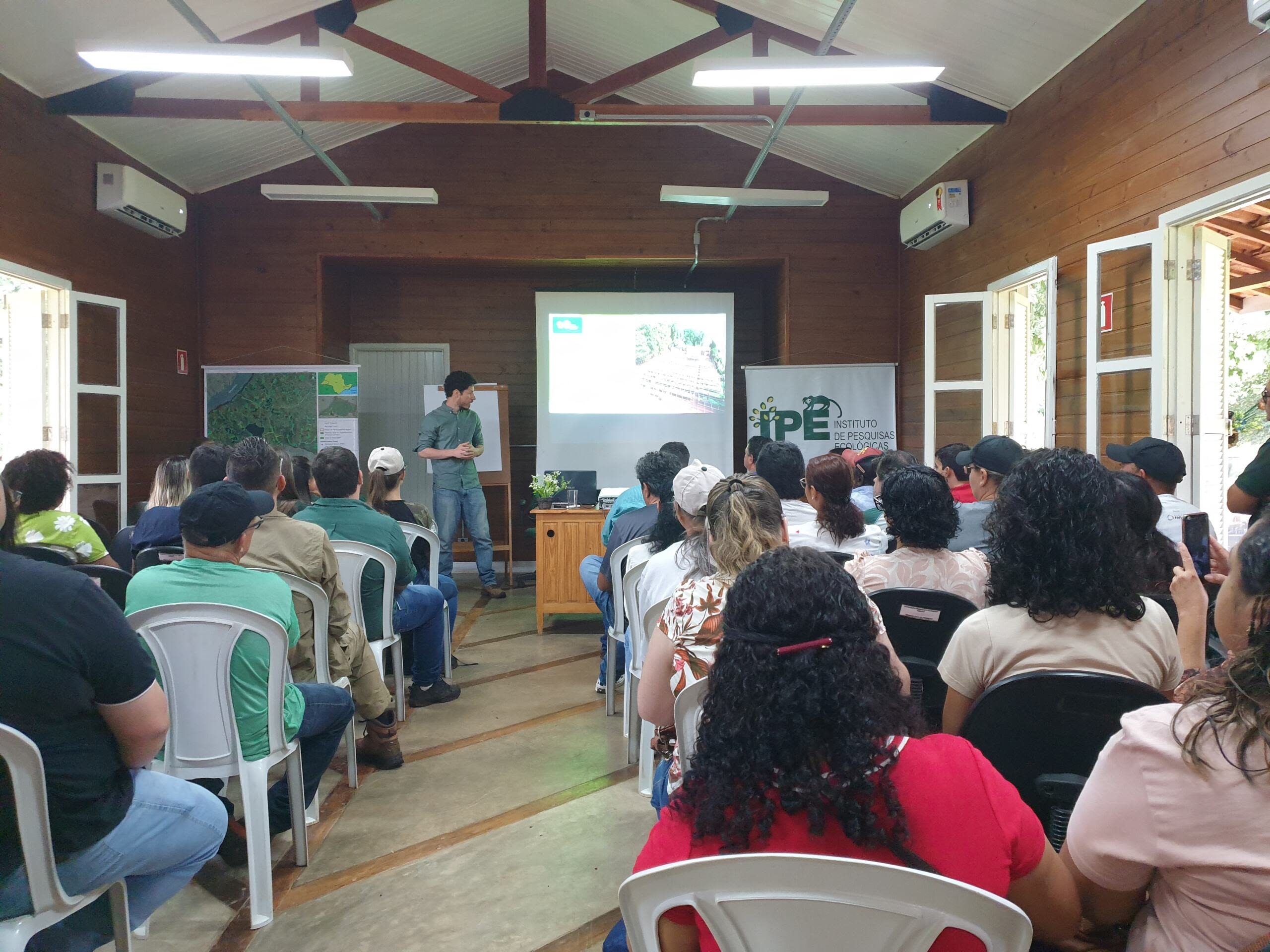
May 2025 Community-based education is key to successful conservation project. Regular events are held to inform, engage and empower local communities living in the Rewild Carbon project area of Pontal. During 2024, a total of 429 people attended events covering themes such as reforestation as a strategy to tackle the climate emergency. The impact of these sessions is monitored through before-and-after questionnaires and interviews with participants.

A year of celebrations
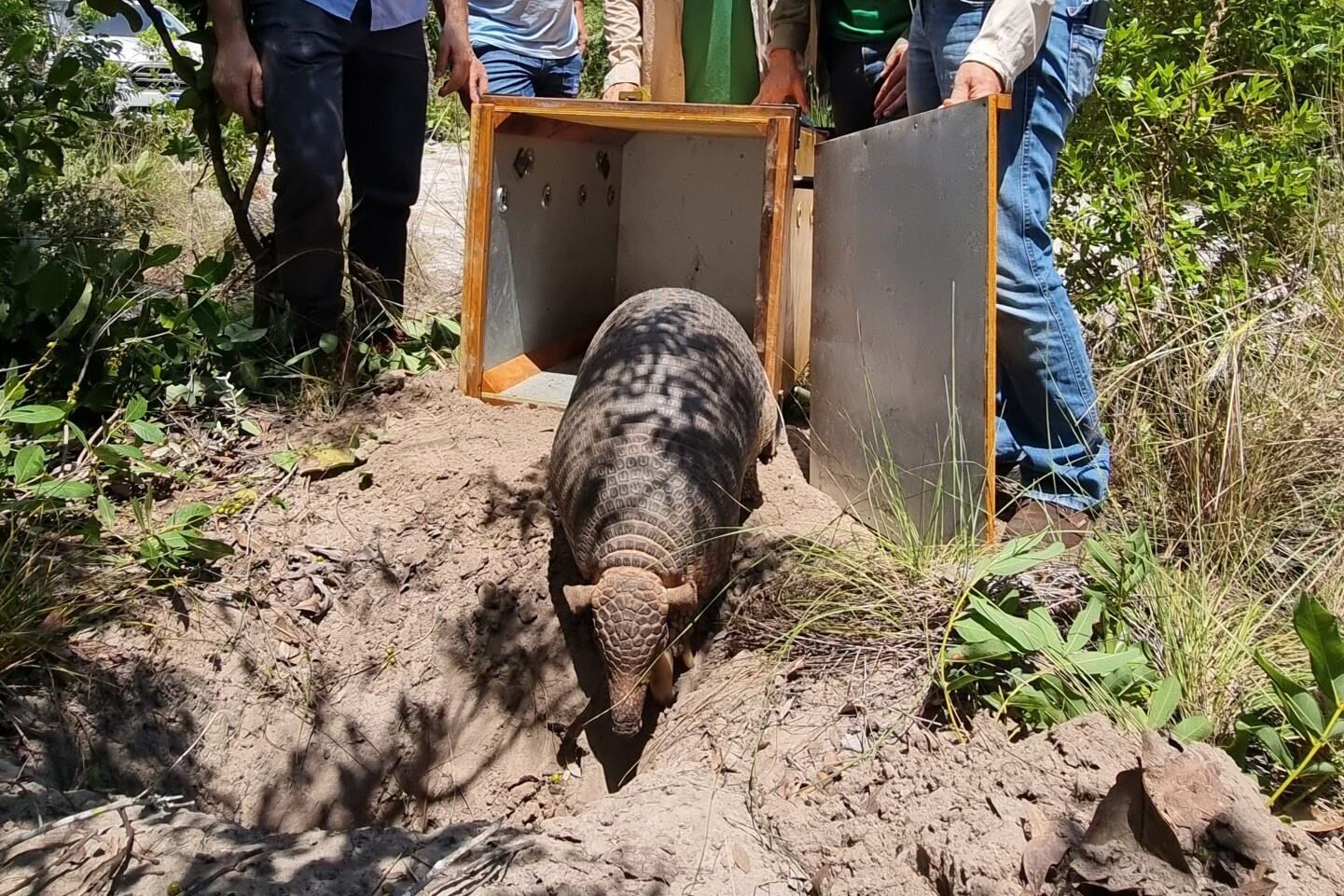
April 2025 2025 marks a momentous year for Durrell, as we celebrate what would have been our founder’s 100th birthday. What better way to celebrate than by naming the first male giant armadillo found in our Cerrado study area after Gerald Durrell! Gerald’s movement is being monitored, so stay tuned for more news about this study. And visit our website to find out how you can join us in celebrating GD100.

More tamarins on the move
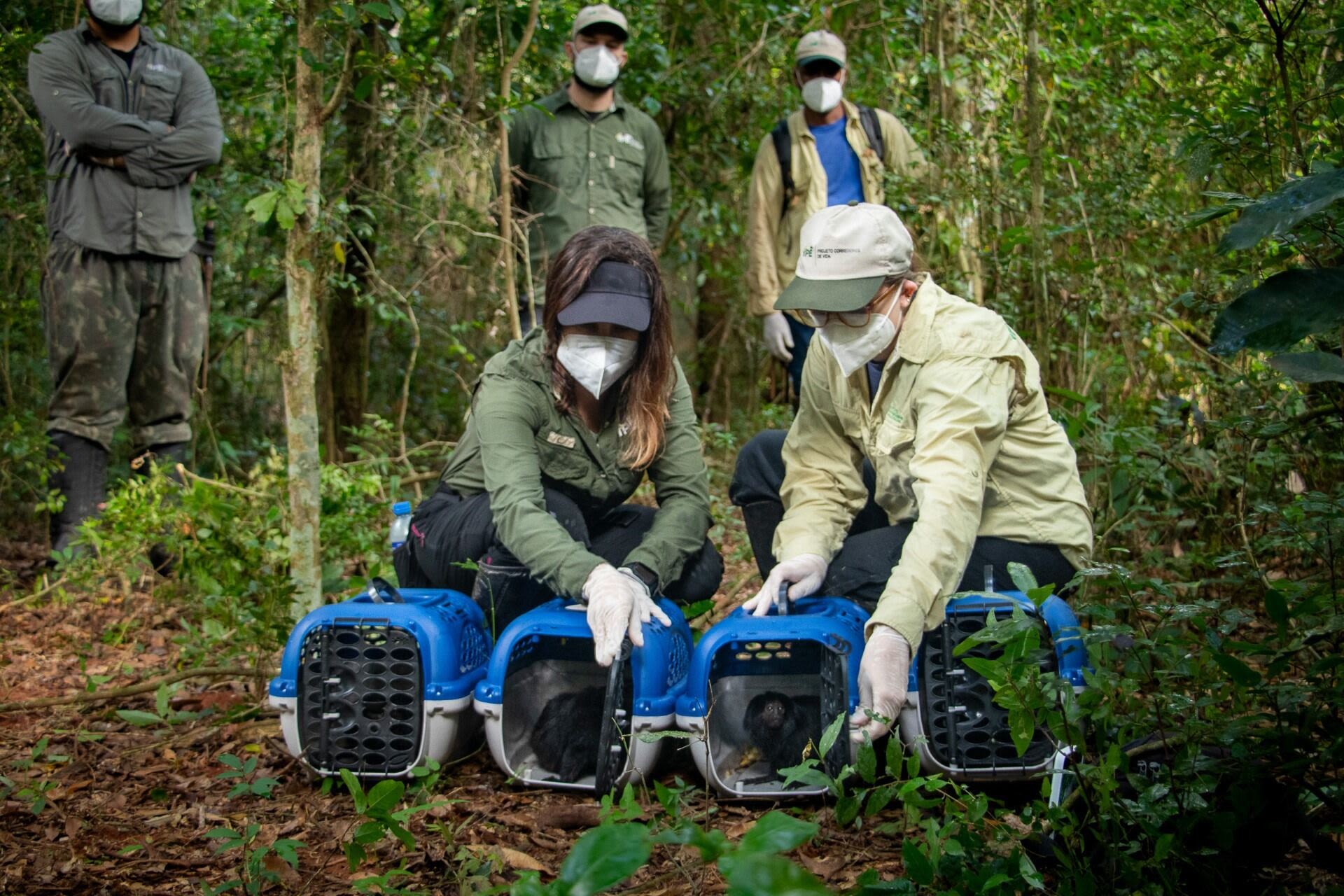
March 2025 Within the last few weeks, a second group of black lion tamarins has been translocated from Morro do Diabo to the San Maria forest fragment. The aim of these moves is to prevent the population and its unique genetics from being lost and to establish a viable population of this threatened species in a key area close to Rewild Carbon polygon 4.

New nature reserves
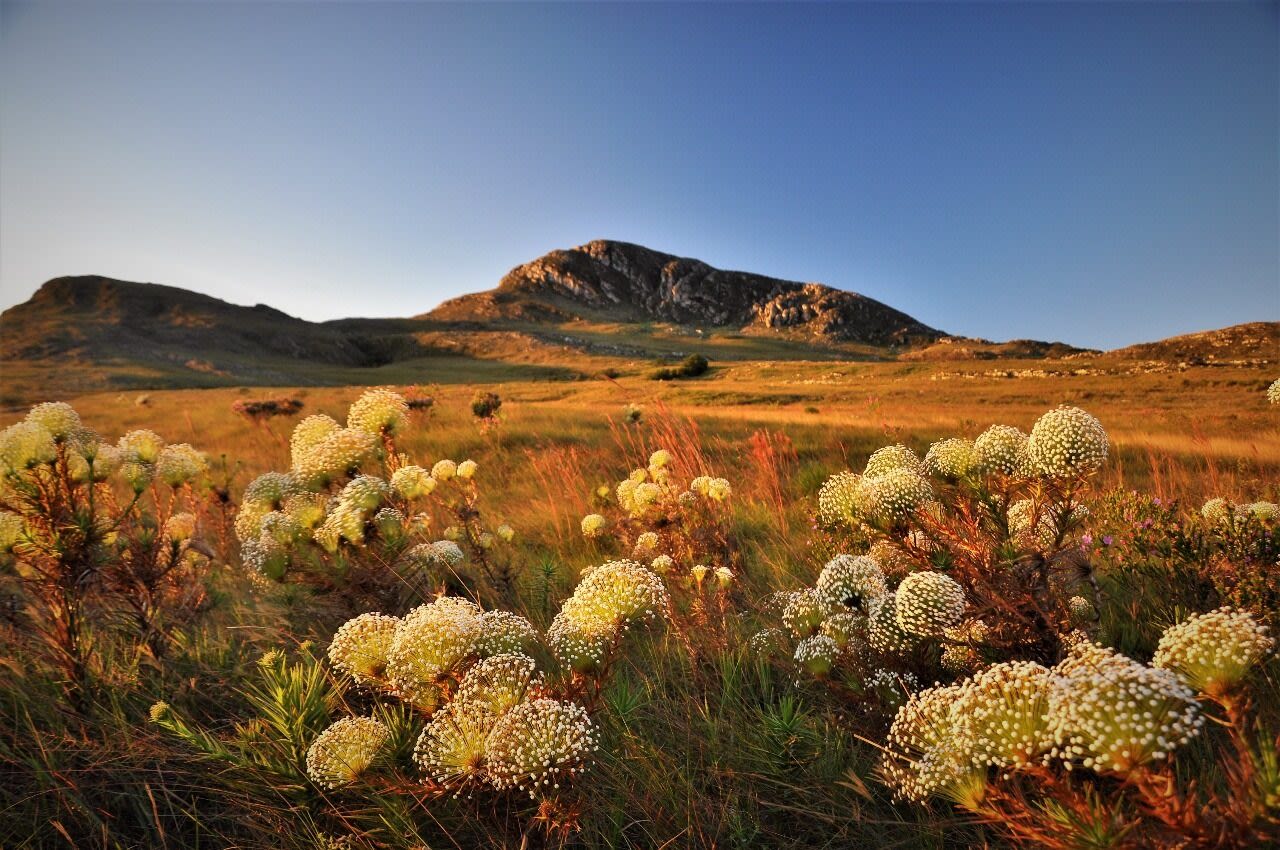
February 2025 The Espinhaço mountain range is a unique region of Brazil, rich in biodiversity. Durrell and our conservation partners Instituto Biotrópicos are working together with local landowners to set aside land for conservation and habitat restoration. Your investment in Rewild Carbon has enabled the creation of three new nature reserves in this fragile ecosystem, making an important contribution to landscape-level connectivity.
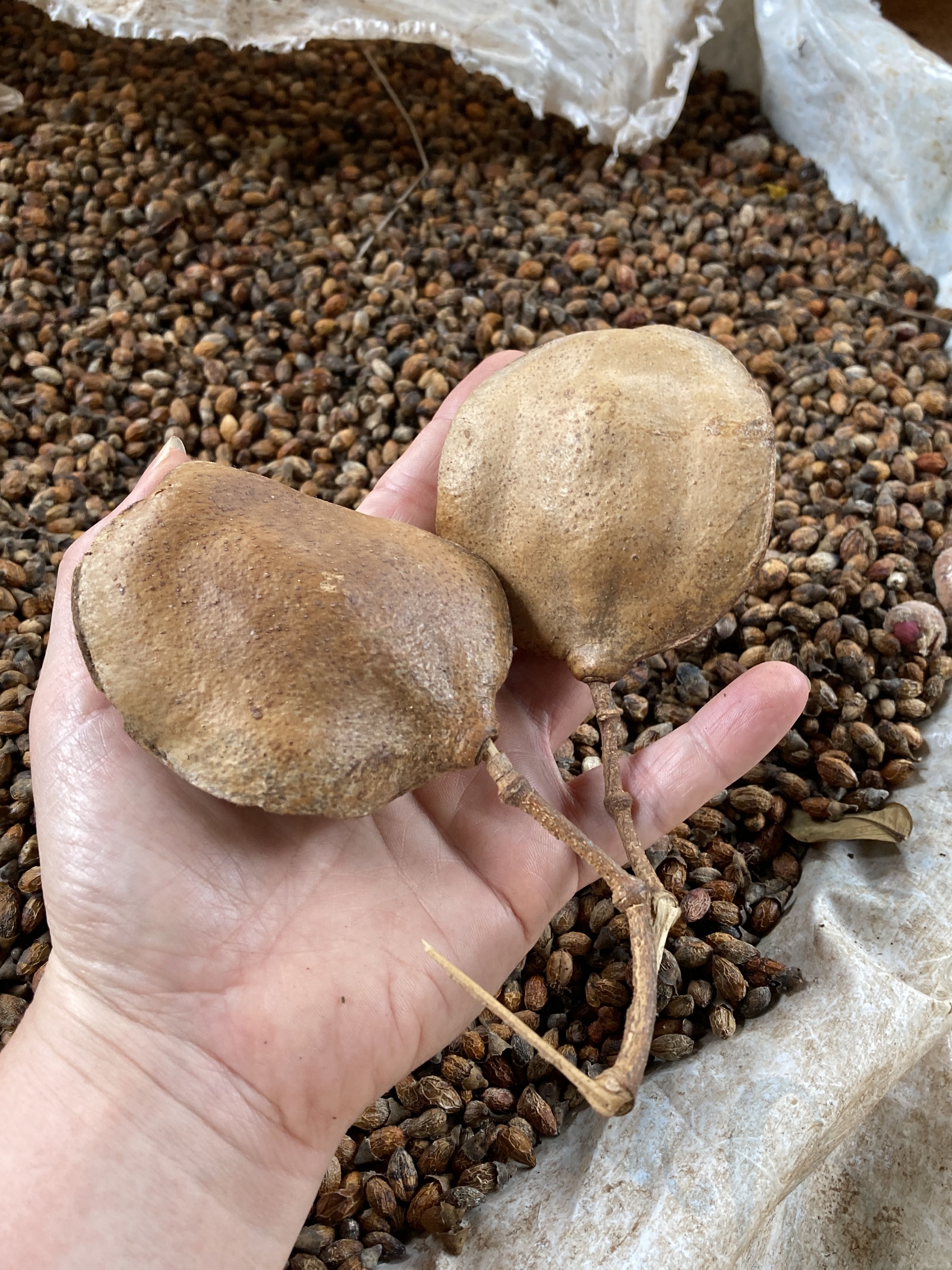
From small seeds
January 2025 Each tree planted in the Rewild Carbon forest corridor is grown from a carefully selected seed. Members of the local community, who know the region well, map nearby forest fragments. They identify the best parent trees and plan when to harvest seeds. This means that the seedlings cultivated in the nurseries are strong with broad genetic diversity and helps to ensure that the young trees have the greatest chance of survival.

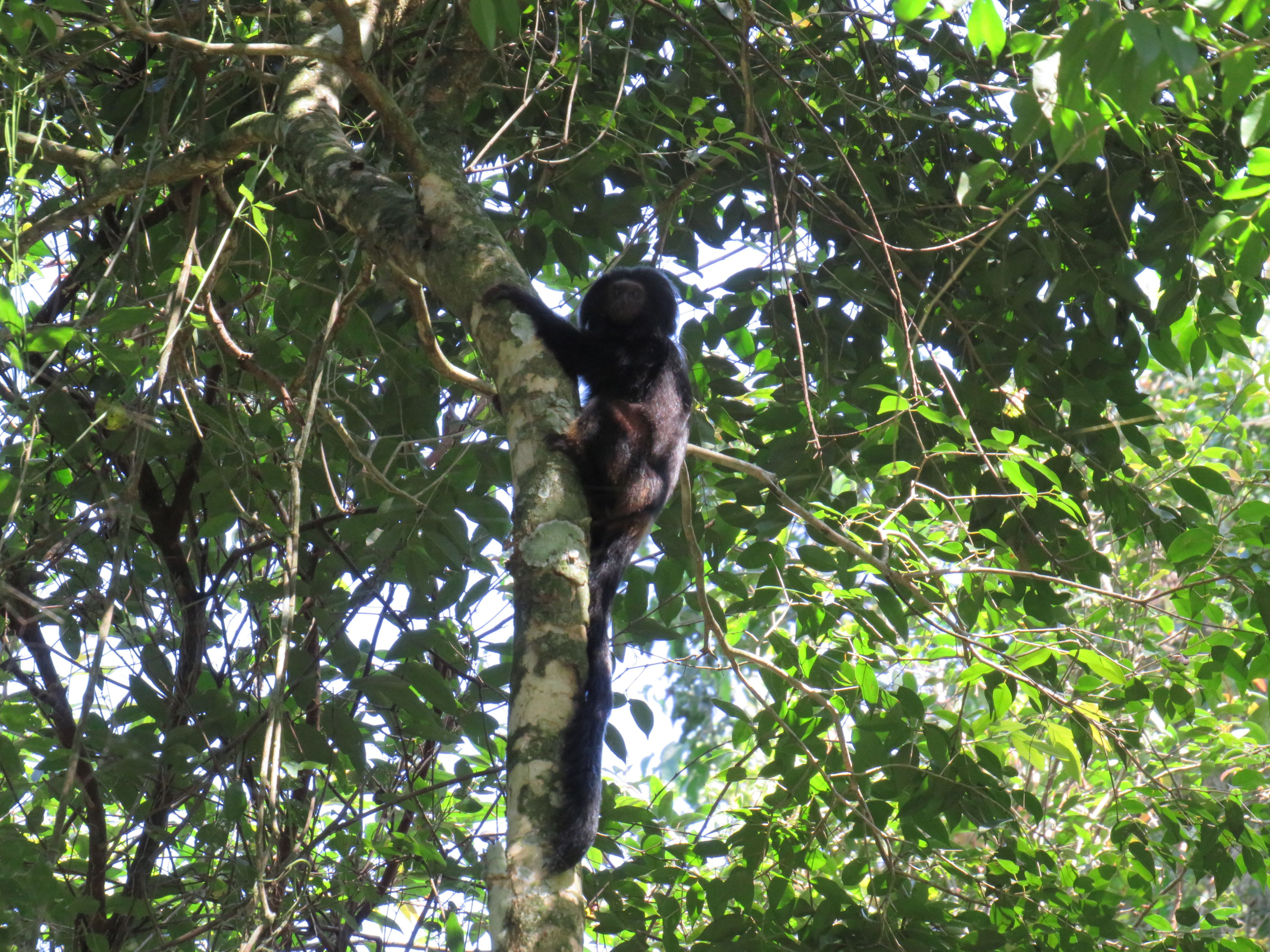
A Challenging move
December 2024 Translocation is an important strategy, alongside habitat restoration, to ensure the long term survival of species such as the black lion tamarin. In January this year, a group of five tamarins were translocated to their new home in a forest fragment close to the new tree corridors. The group has been monitored over the past 12 months and we will include a full update on this challenging move in our 2024 Impact Report.

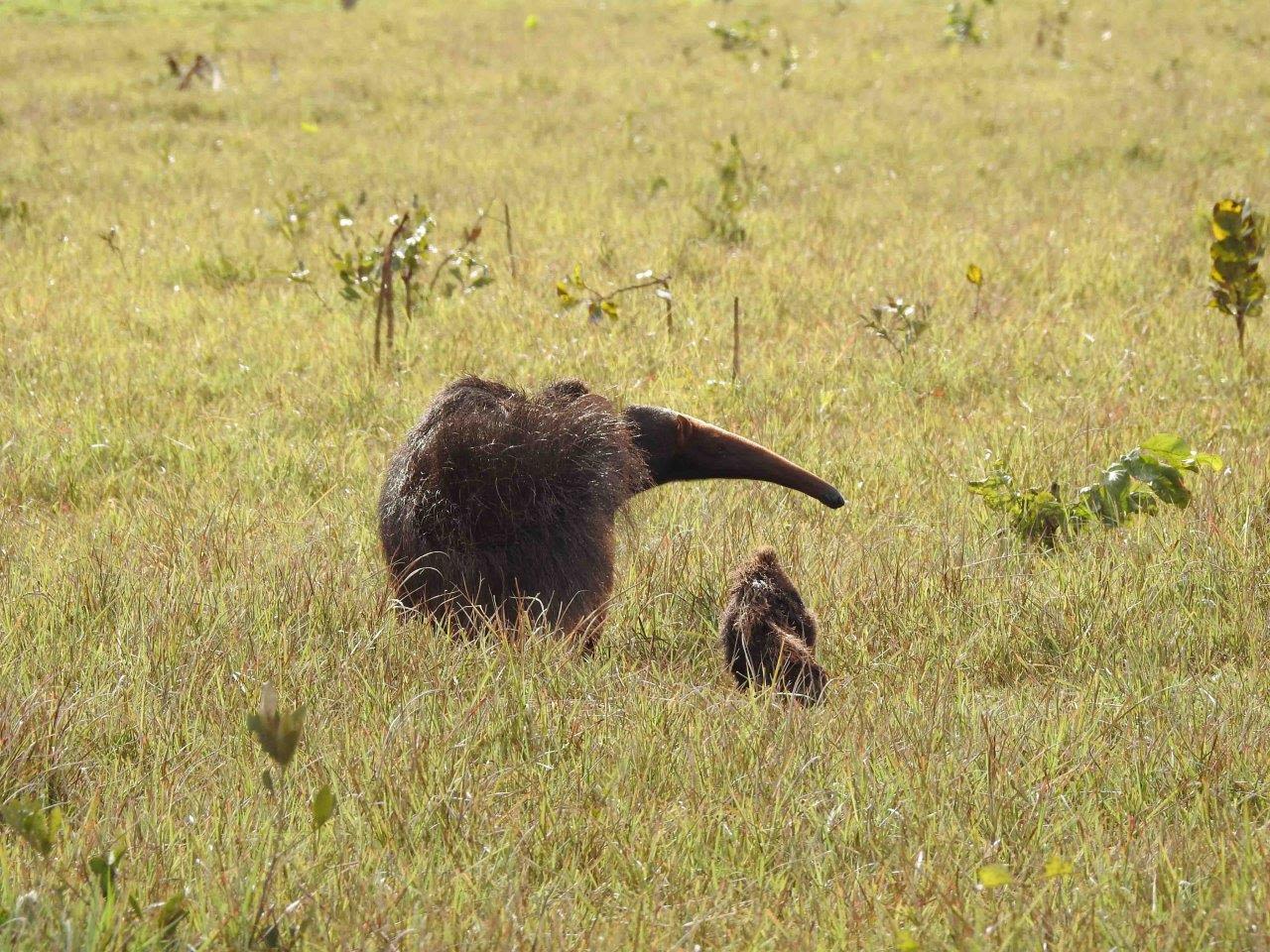
World Anteater Day
November 2024 World Anteater Day on 19th November is an opportunity to celebrate the giant anteater. These solitary mammals have poor eyesight and rely on their strong sense of smell to find prey, using their sharp claws and long tongue to pull ants and termites from their nests. Your contribution to Rewild Carbon is supporting the conservation of this vulnerable species in the Brazilian cerrado.
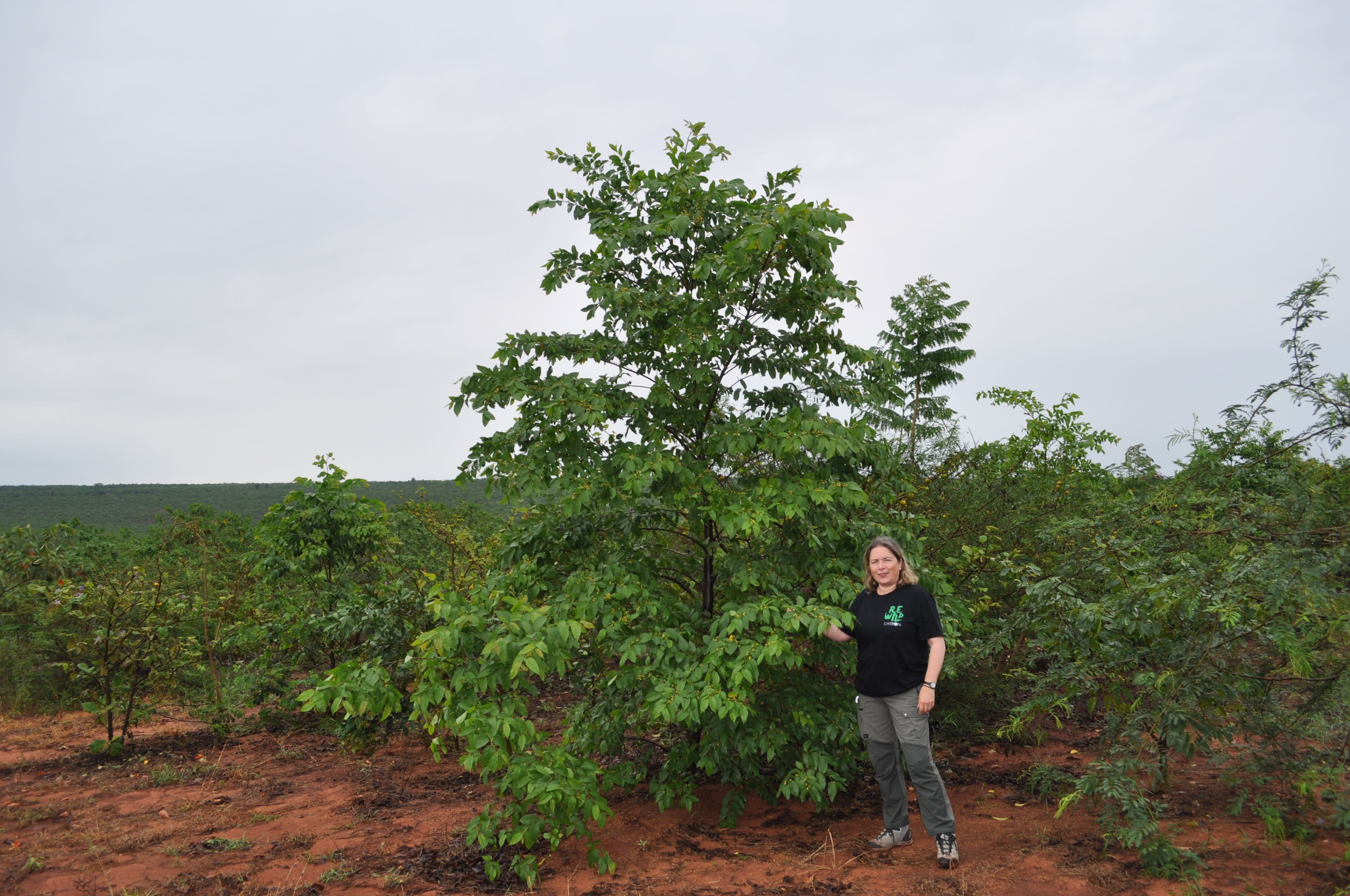
SEE HOW THEY GROW
October 2024 The Durrell team spent time in Brazil this month, meeting our conservation partners and members of the local community who are such an important part of Rewild Carbon. How amazing it is that these trees planted by Durrell staff just 18 months ago are now part of a vibrant young forest corridor stretching as far as the eye can see.
SPECIES IN THE SPOTLIGHT
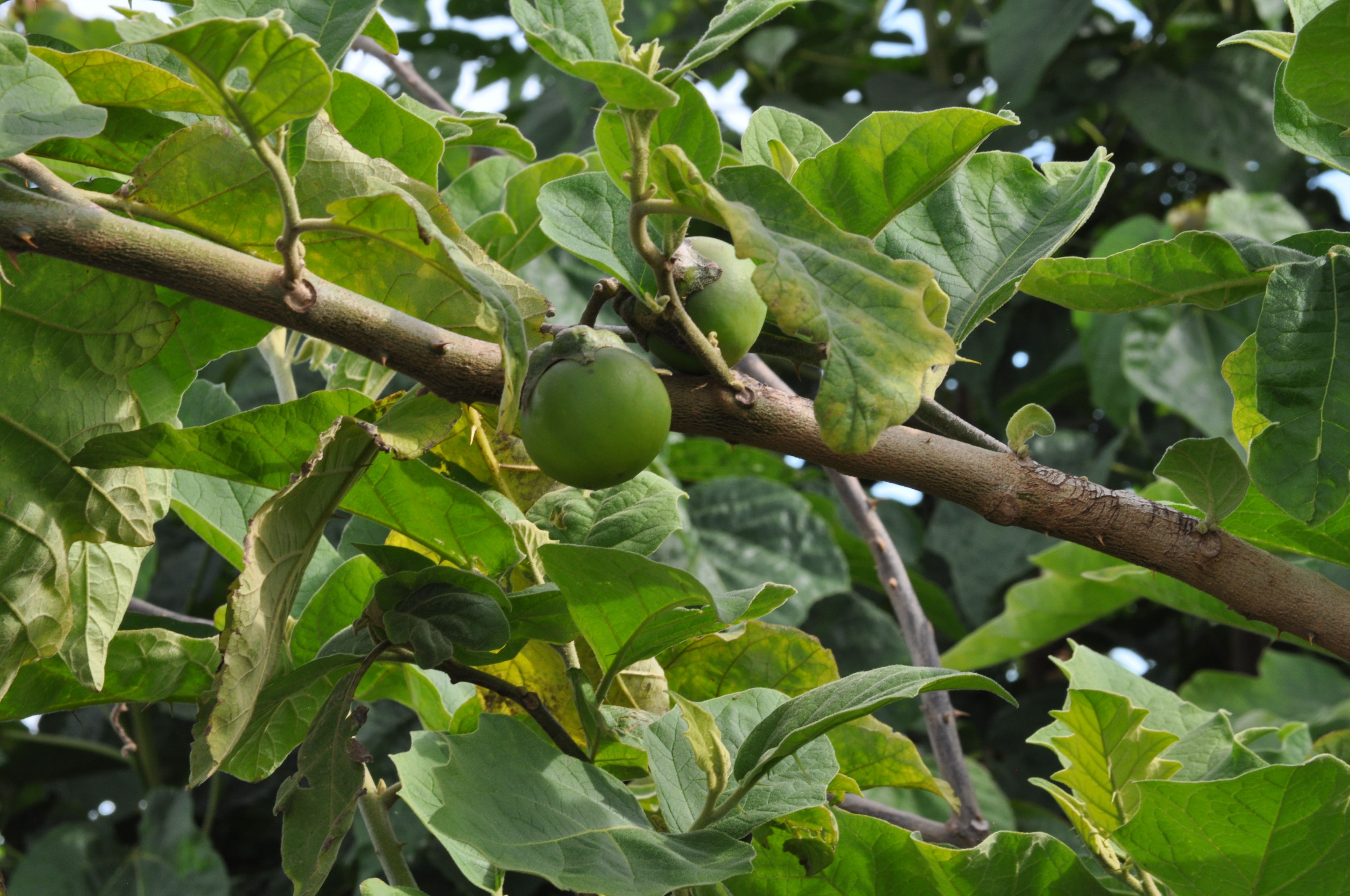
September 2024 The wolf-apple tree (solanum lycocarpum) is a distinctive sight in our forest corridors, with its large purple flowers and tomato-shaped fruit. As its name suggests, the fruit is an essential part of the maned wolf’s diet and the wolf plays a key role as a seed disperser. Maned wolves have been recorded by camera trap in Polygon 3, where we have planted over 850 wolf-apple trees.

World Armadillo Day
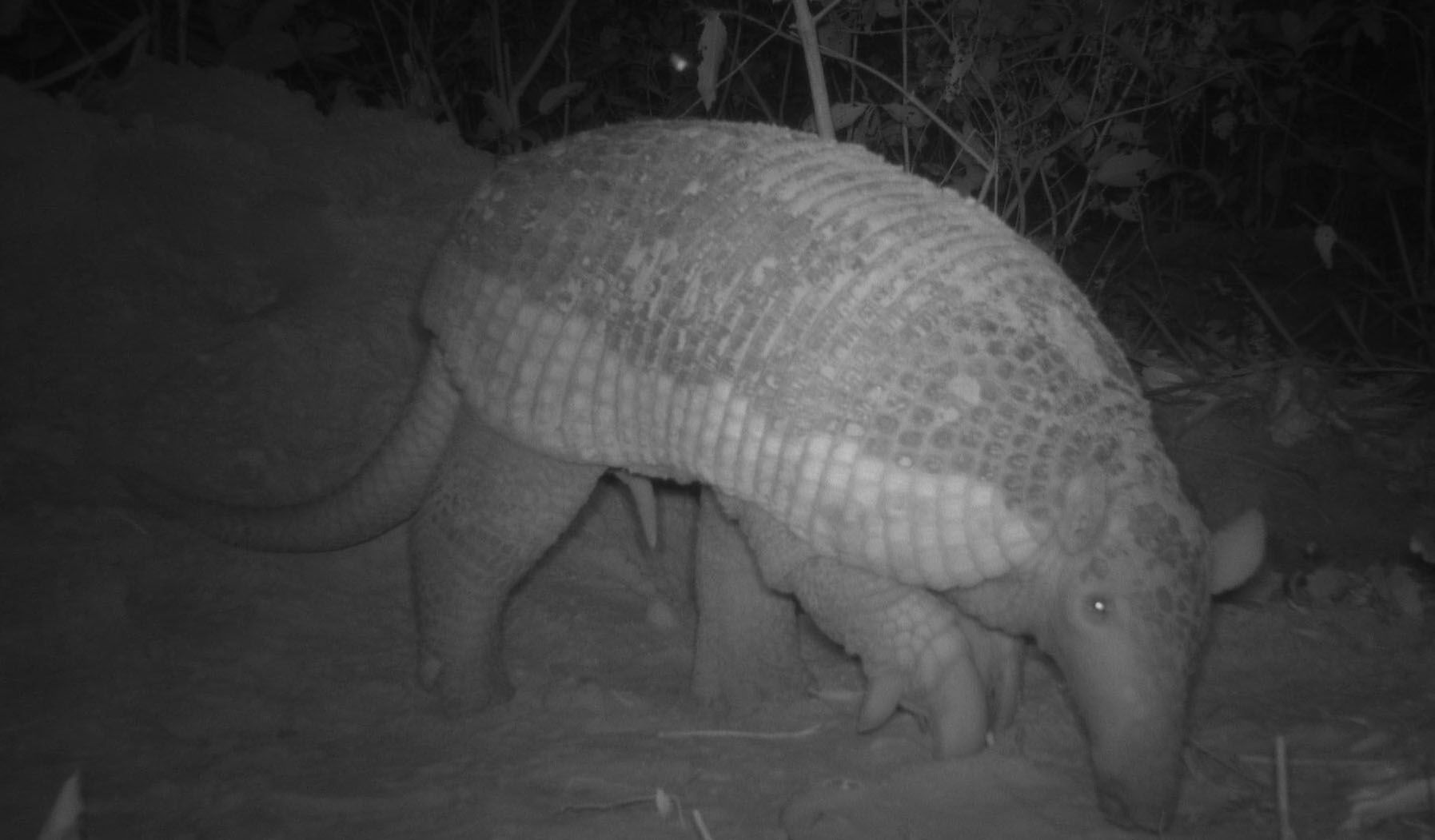
August 2024 To celebrate World Armadillo Day on 13 August, we’re excited to share a recent camera trap image of Theodore, the young giant armadillo being monitored by our project partners ICAS. Giant armadillos are nocturnal and spend around 80% of their time in their burrow so camera traps funded by Rewild Carbon are a vital tool to help understand their behaviour and ensure their survival in the Cerrado region of Brazil.
PLANTING POLYGON 8
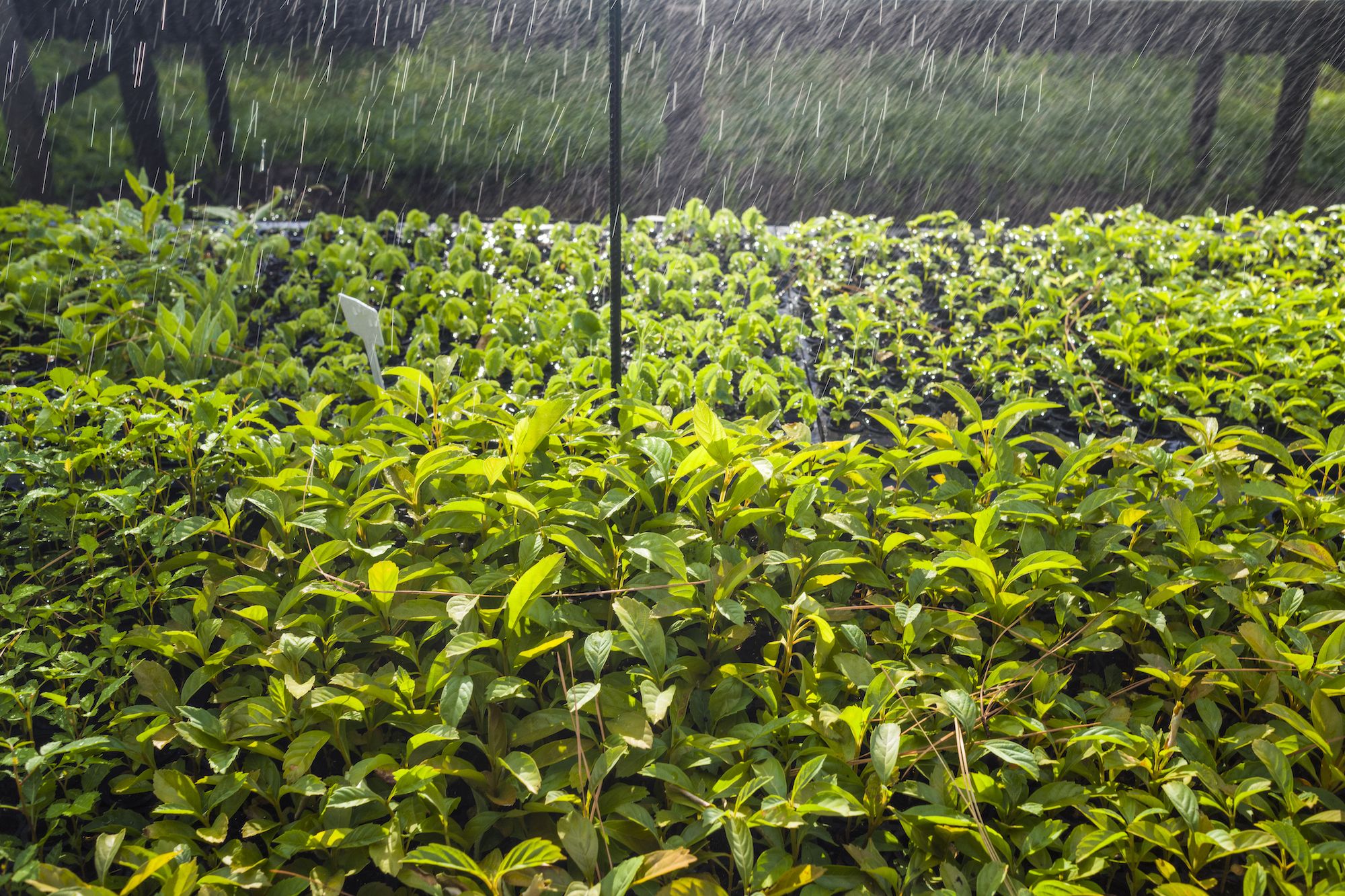
July 2024 Over 50,000 seedlings are currently being cared for in community nurseries and land is being prepared for planting to begin in Rewild Carbon Polygon 8. This 28-hectare area was previously used for agriculture but within just a few months we hope to see young trees developing, providing vital food and shelter for threatened wildlife.

CAUGHT ON CAMERA
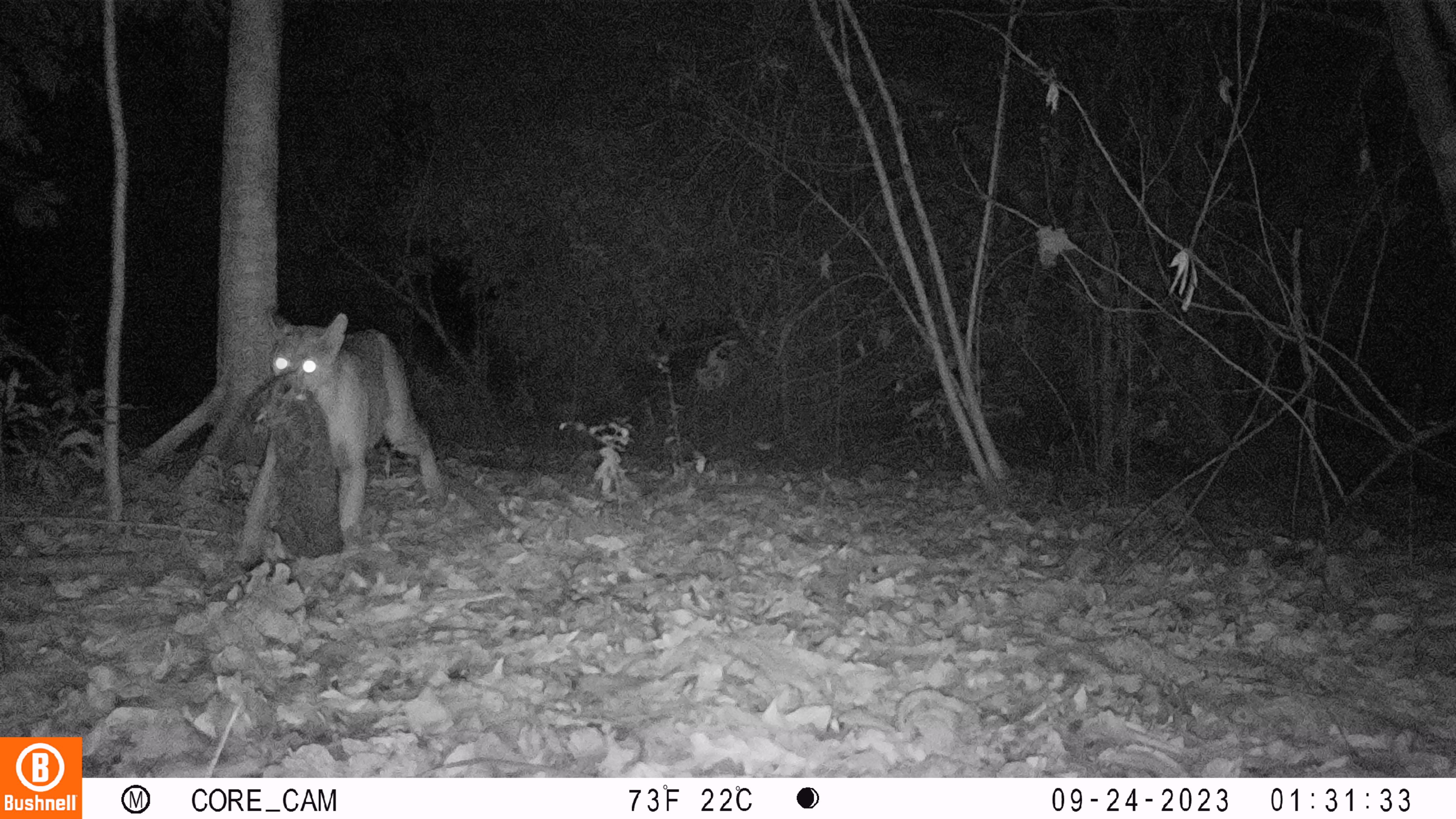
June 2024 Cameras placed in Polygon 4 just a few months after planting recorded this puma carrying prey through the young trees. Pumas are solitary cats, most active at dawn and dusk, and they feed on a wide variety of prey. Their numbers are declining due to loss of habitat. Reforestation projects like Rewild Carbon are essential for the long-term survival of the species.

PUPDATE
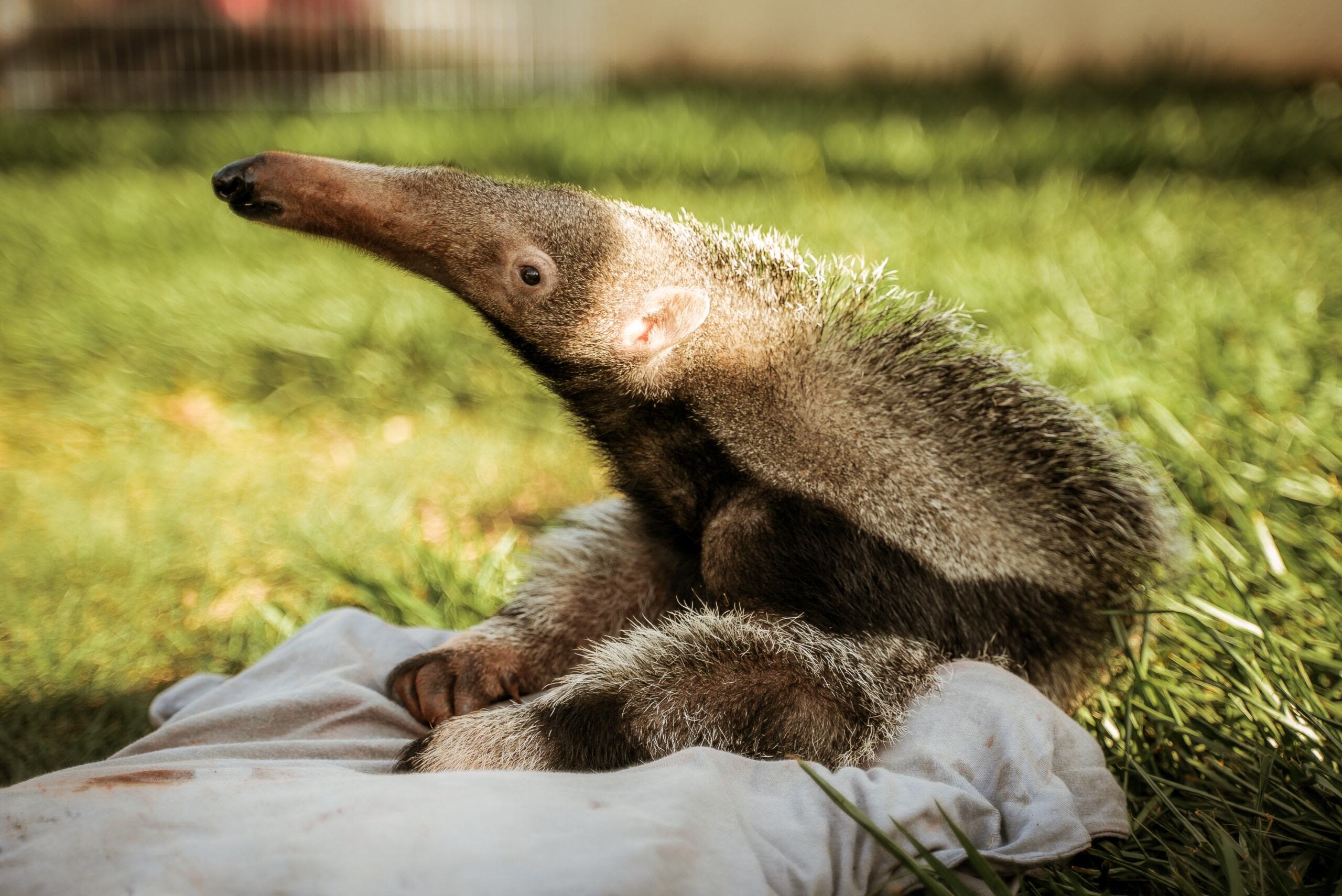
May 2024 Thank you to all those who suggested a name to be given to the orphaned giant anteater found by our partners ICAS last year. With your help, four orphaned pups and two wild juveniles have now been named! Orphans Tito, Eliza, Bonita and Luar are being hand-reared and prepared for re-introduction to the wild; Meanwhile, juveniles Bonnie and Kibou both grew up in the wild, have now left their mothers and will hopefully be monitored by the team.
COMMUNITY BENEFITS
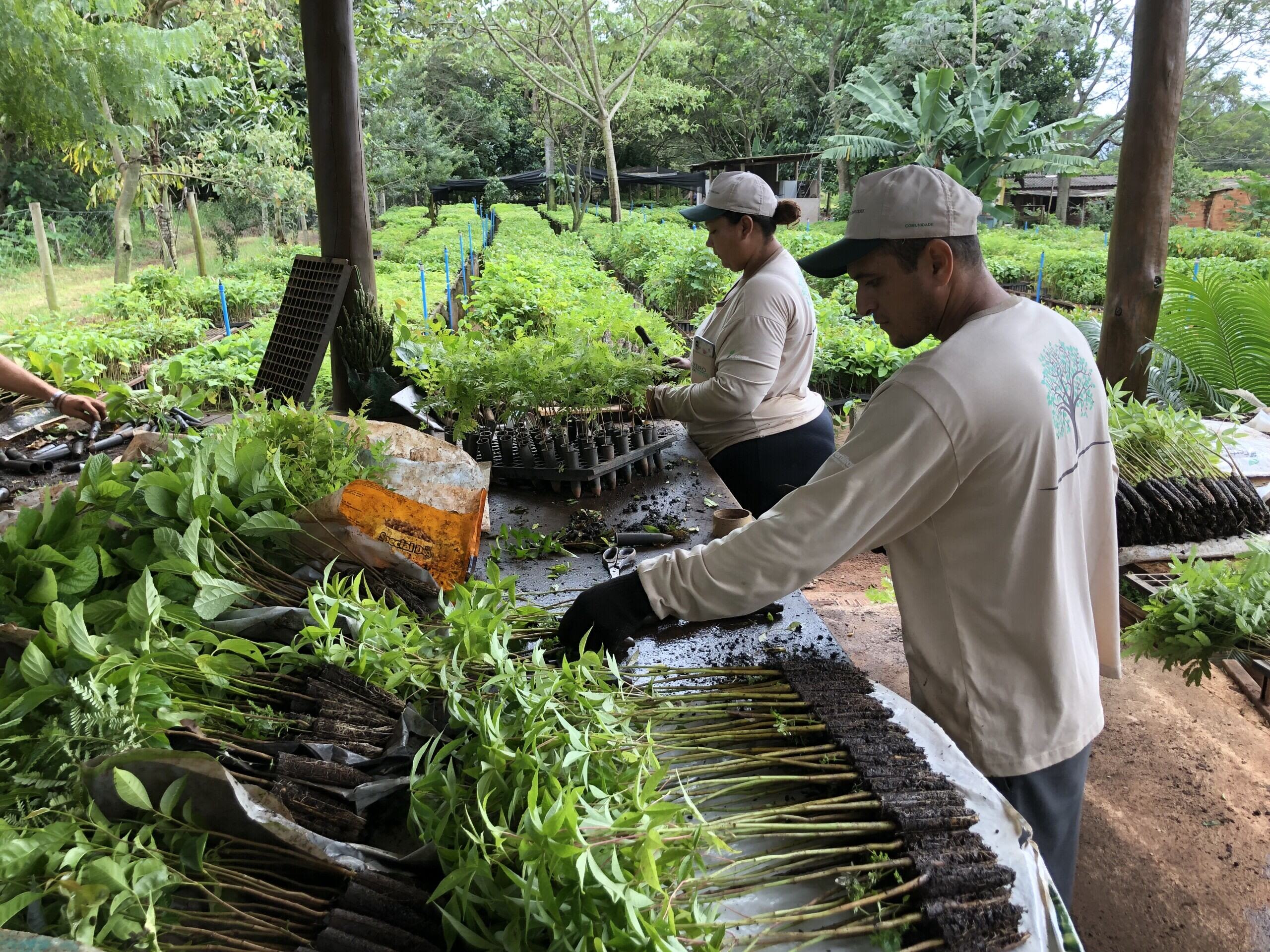
April 2024 Our goal to create sustainable livelihoods for local people lies at the heart of Rewild Carbon. With your help, we are currently supporting 118 jobs in the project region. Over half of these jobs are full-time and many are held by women. Collecting seeds, growing seedlings, preparing land, planting trees and maintaining the young forest corridors all create jobs and generate income and opportunity for the local community.

iN THE PRESS
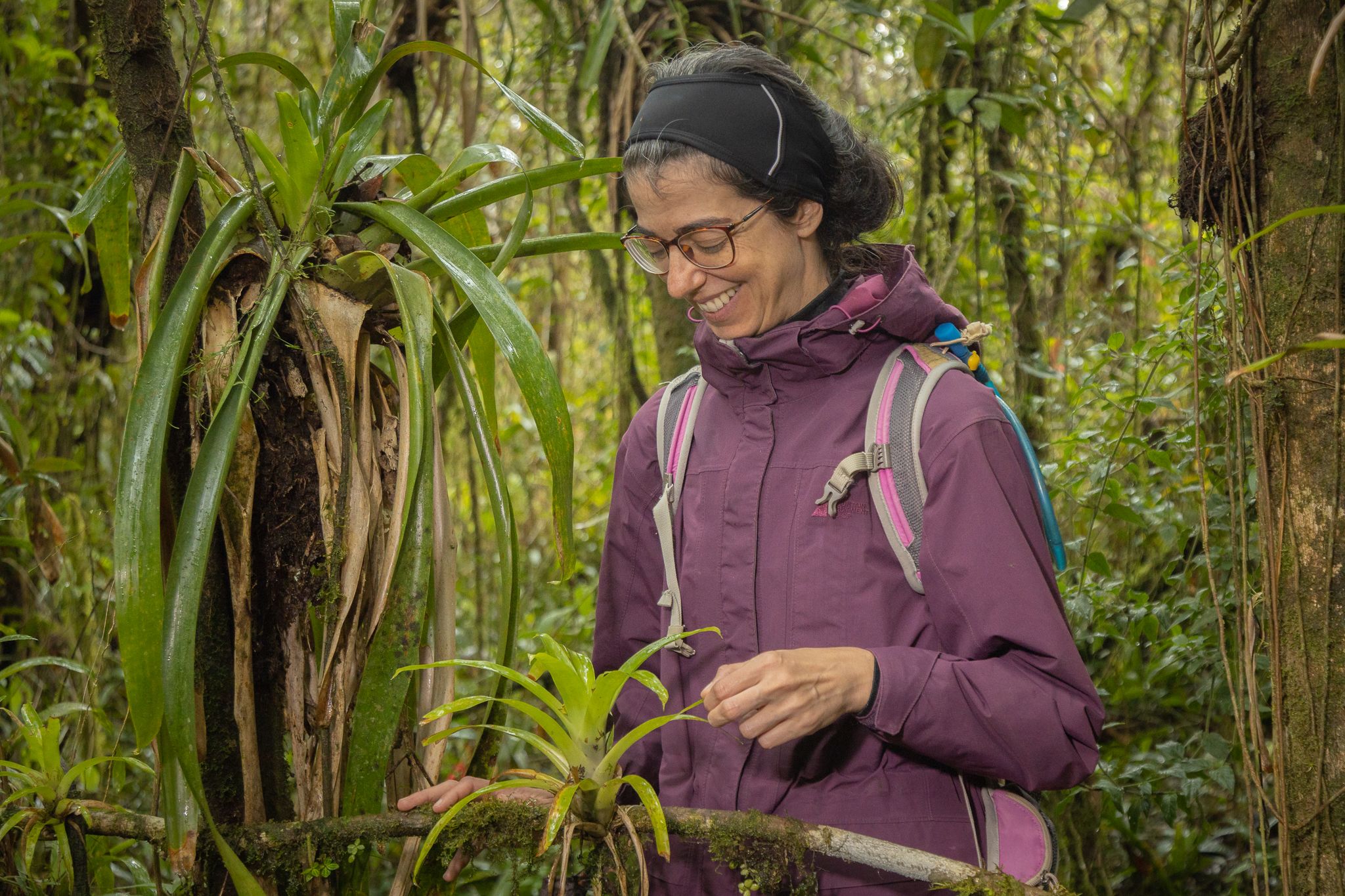
March 2024 Durrell’s Field Programme Officer, Bela Barata, recently spoke to The Guardian newspaper about her pioneering work in Brazil with the rare species she fondly calls 'sky frogs'. Your investment in Rewild Carbon is supporting Durrell’s work with local partners Instituto Biotrópicos as together we try to save sky frogs and ensure their long-term survival. Read Bela’s story as told to the Guardian here.
Photo credit: Michel Bechelini

Leap Day Celebration
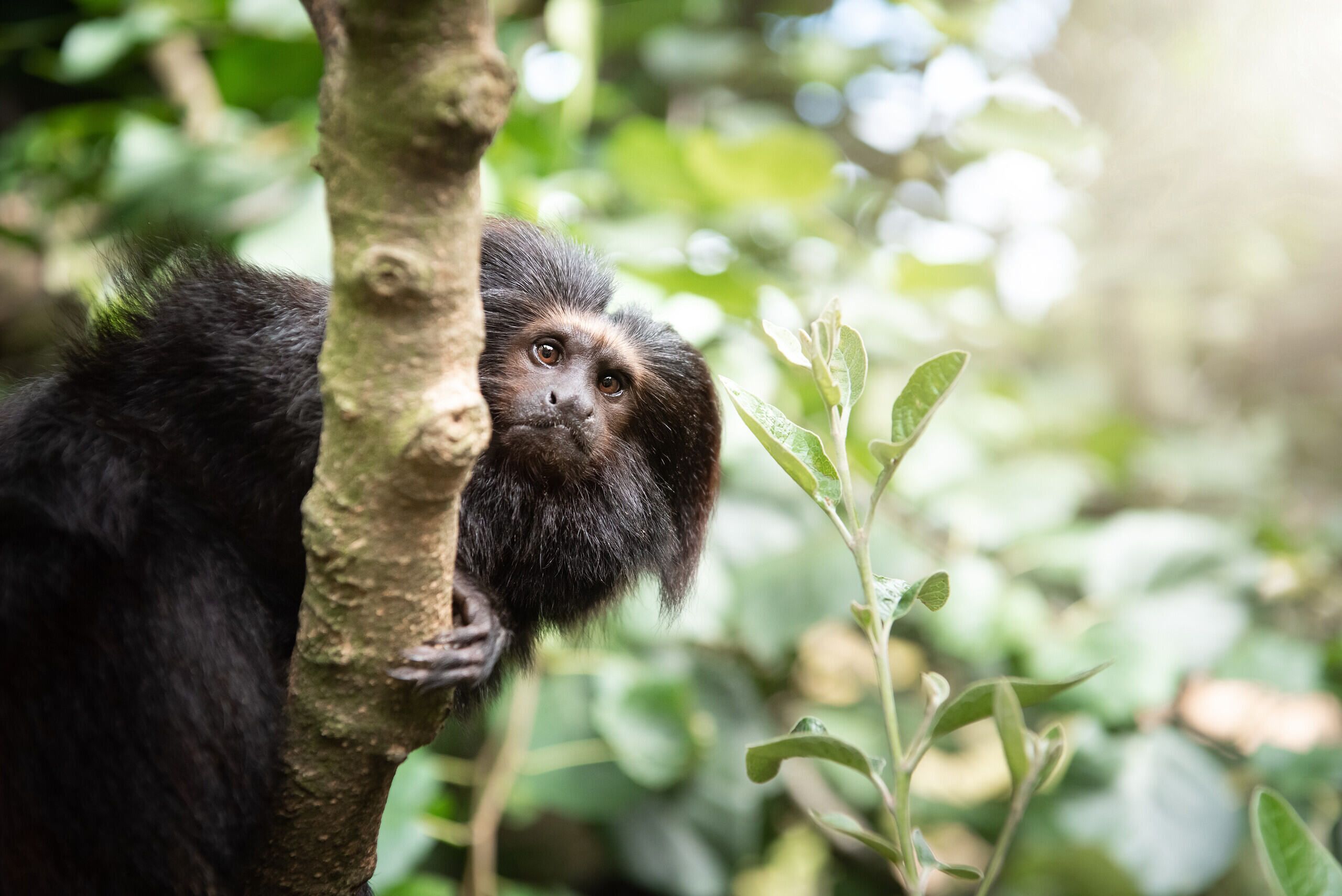
February 2024 29th February is Black Lion Tamarin Day in Brazil! Durrell has been working together with conservation partners IPÊ to protect these tiny primates for more than 30 years. Threatened by loss of habitat and once considered extinct, this endangered species is now at the heart of Rewild Carbon. By planting tree corridors to link forest fragments, we are providing a vital lifeline, ensuring that black lion tamarins can not only survive but thrive.

Introducing Alvinho
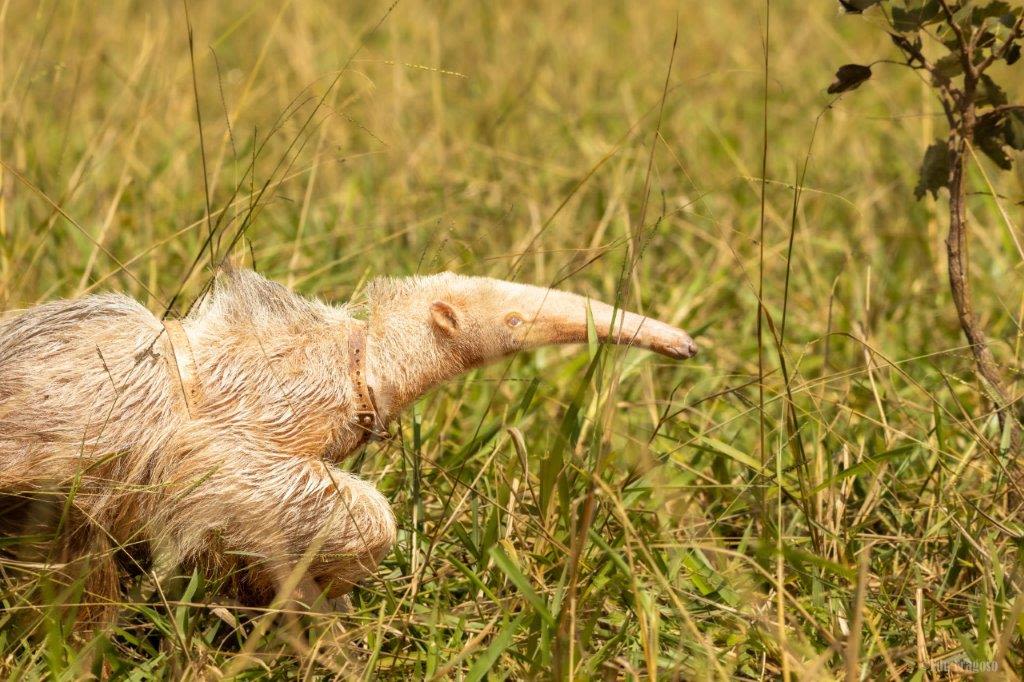
January 2024 Thought to be the world’s only albino giant anteater, Alvinho was spotted about a year ago by our project partners ICAS. He was fitted with a GPS tracker so the team can monitor his progress. At his last health check, he was a little underweight but otherwise healthy. Alvinho plays an important role in raising awareness of this vulnerable species, as everyone is fascinated by him!

Polygon 7 update
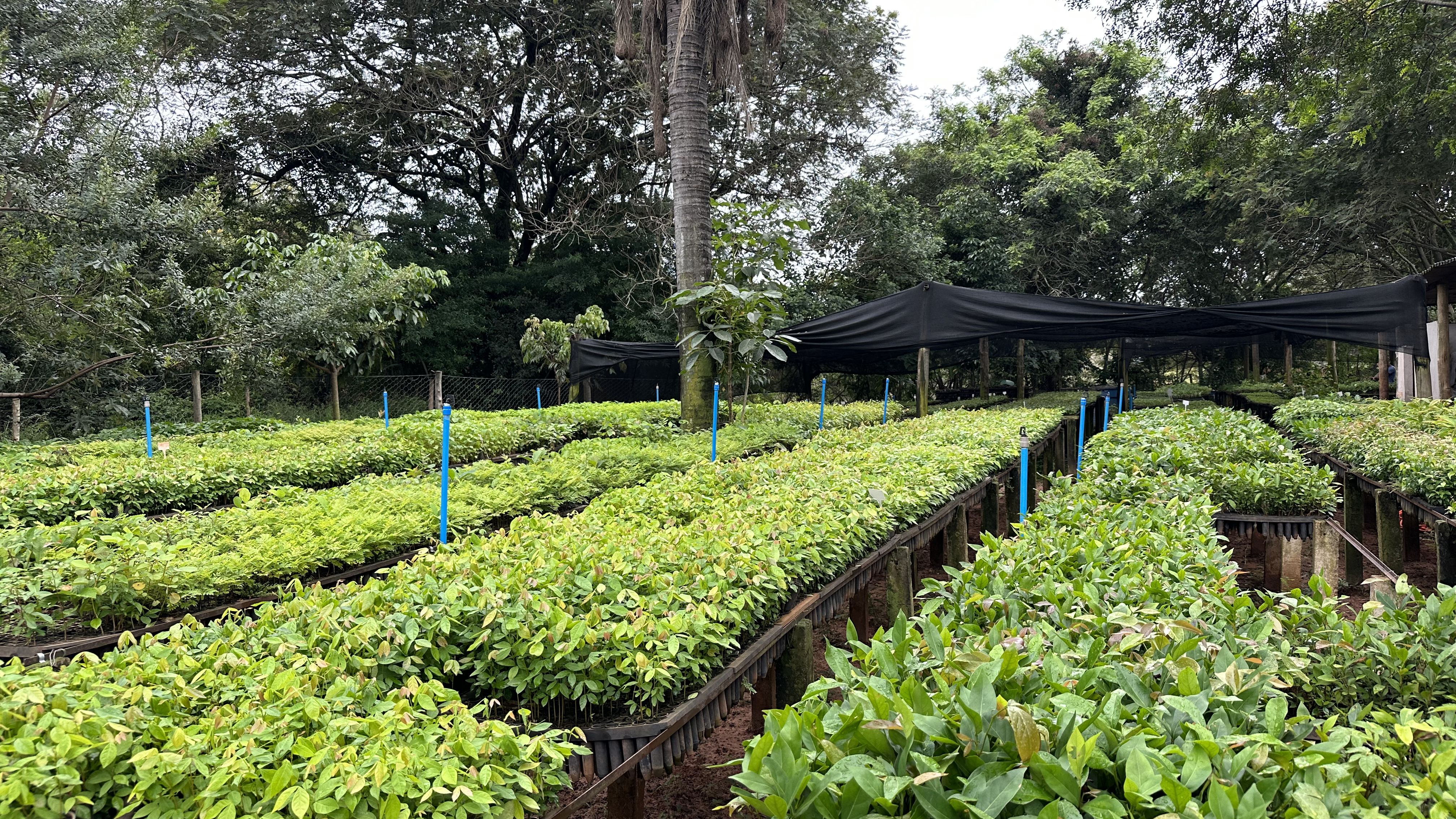
December 2023 We are thrilled that work is underway on Rewild Carbon Polygon 7. Over the past few weeks, the restoration team have been busy fencing the 36-hectare area and in the new year they will start planting around 70,000 native-species trees. Polygon 7 is particularly significant as it will be the final link joining our new tree corridor to the established forest in Morro do Diabo State Park.

Fighting wildfires
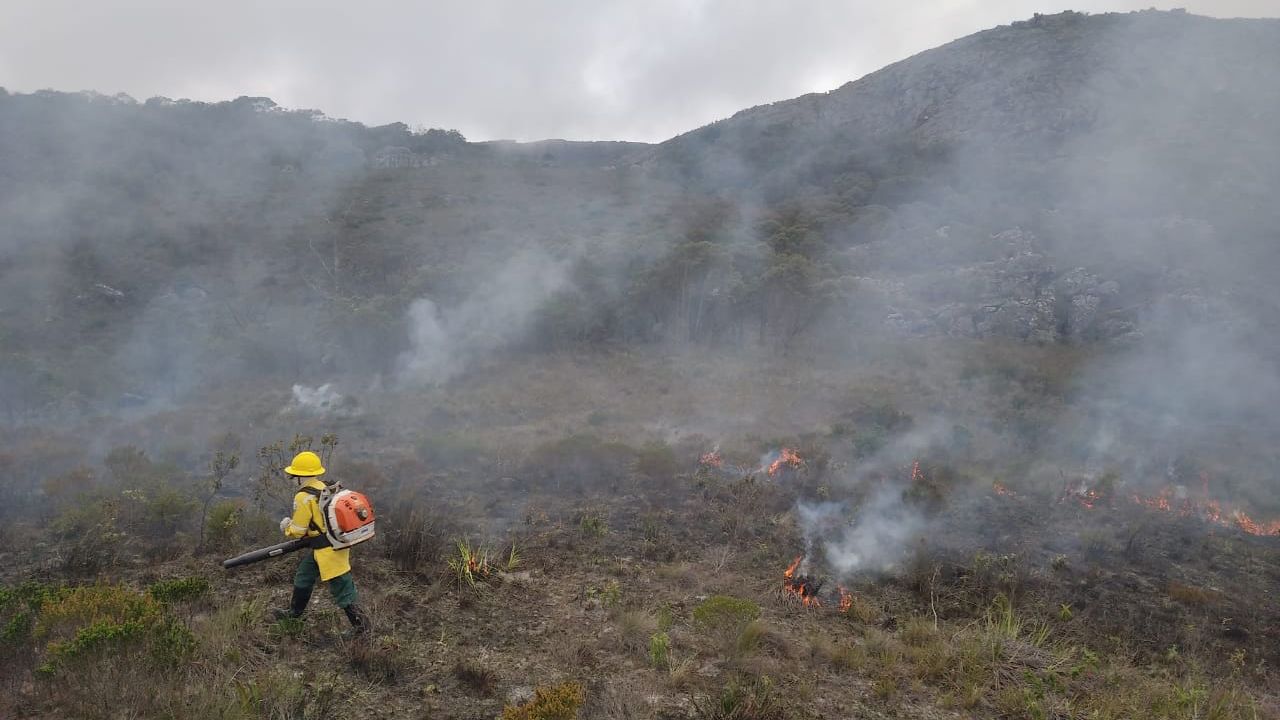
November 2023 In the Espinhaço Mountains, we have helped our conservation partners Instituto Biotrópicos deliver fire-fighting courses for 43 volunteers and we are now assisting two groups to formally register as fire brigades. This will enable the local community to respond more quickly and effectively to the wildfires that threaten the local habitat and the species which depend on it.

GIANT ARMADILLOS AND HONEY
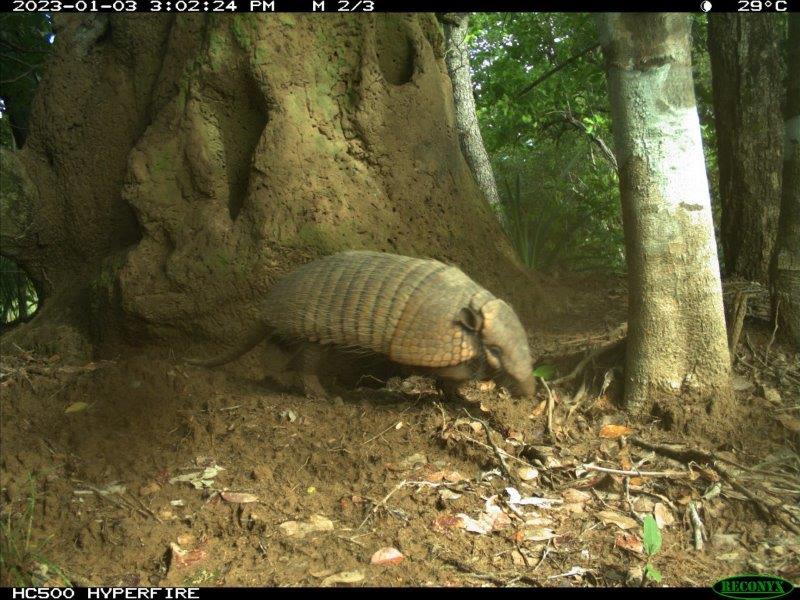
October 2023 Your investment in Rewild Carbon funds the donation of queen bees to rural beekeepers in the Cerrado region as part of the Giant Armadillos and Honey project led by our local partners ICAS. Over the past six months, 120 queen bees have been given to beekeepers, enabling them to increase production and sell their certified armadillo-friendly honey at a higher price.
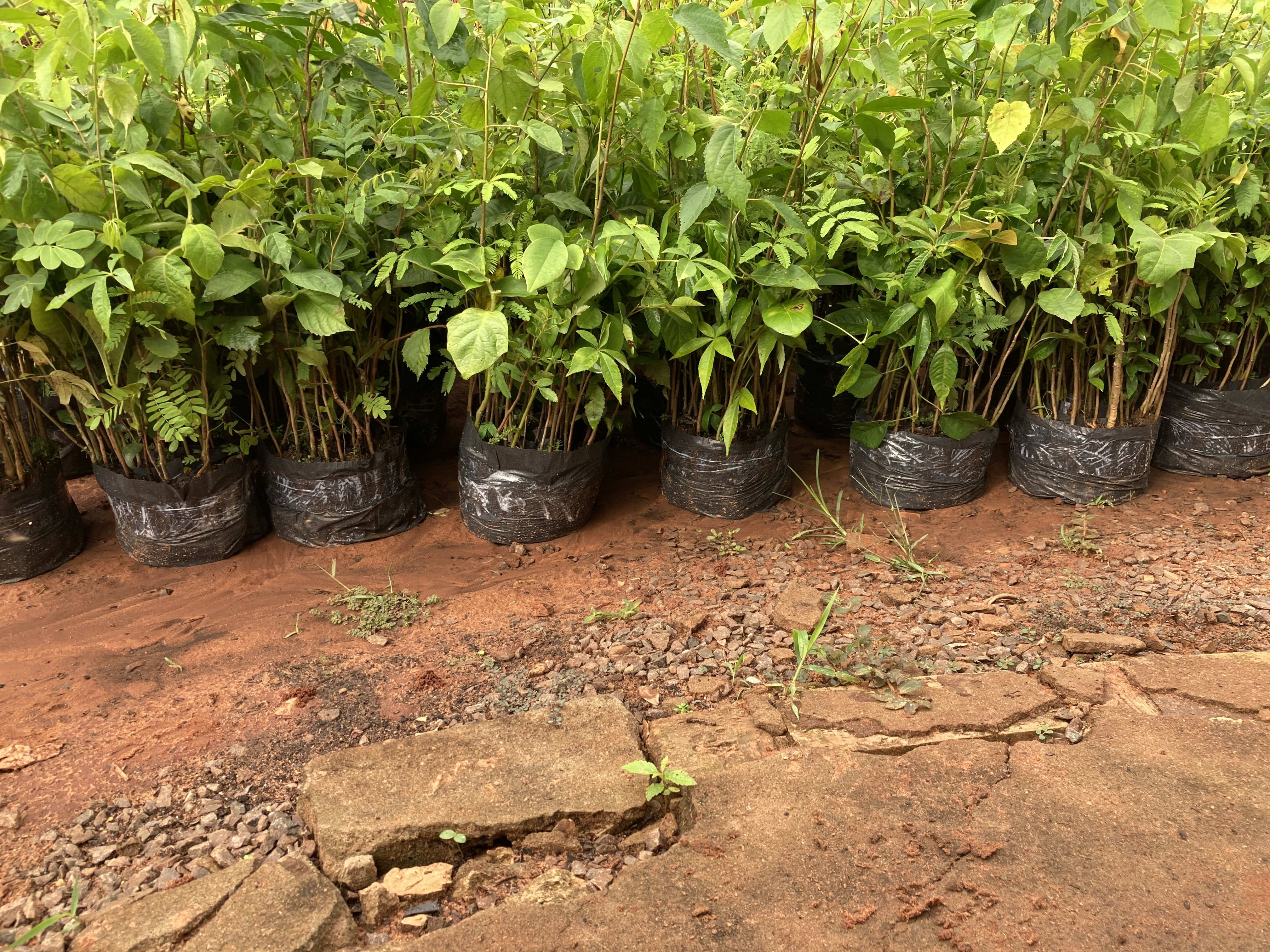
Planting begins in polygon 6
September 2023 Planting begins in Rewild Carbon Polygon 6 this month and is expected to take around three months to complete. During this time, up to 44,000 trees will be planted and baseline data will be gathered. We look forward to sharing more news as this polygon develops!

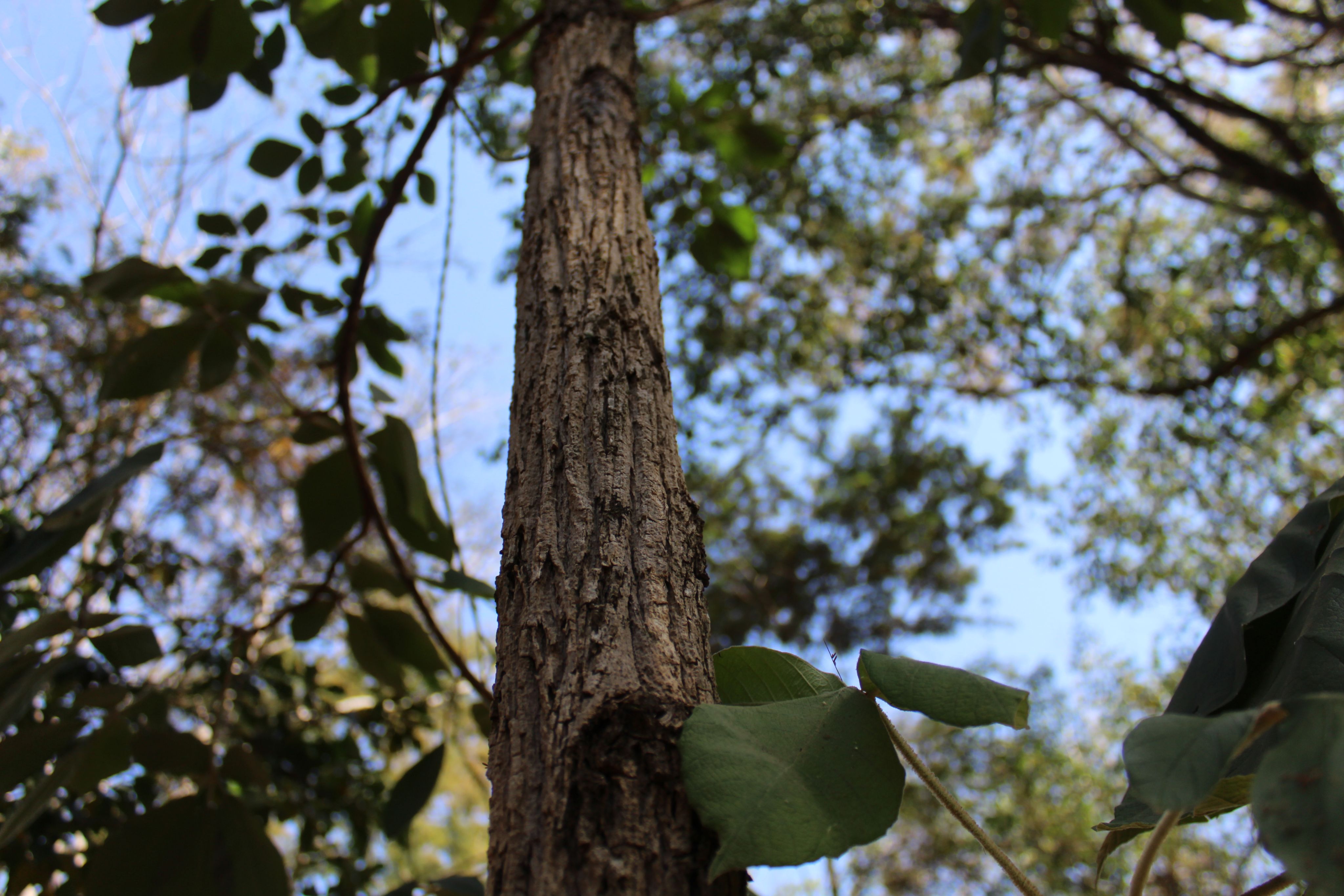
TREES ON THE EDGE OF EXTINCTION
August 2023 Did you know that some of the tree species in our new tree corridors are themselves threatened? The tree known locally as Ipê felpudo (zeyheria tuberculosa) is endemic to Brazil and is threatened by severe habitat loss. We have planted over 1000 of these fast-growing trees, which can reach a height of 20m and will play an important role in restoring the forest and improving soil quality.
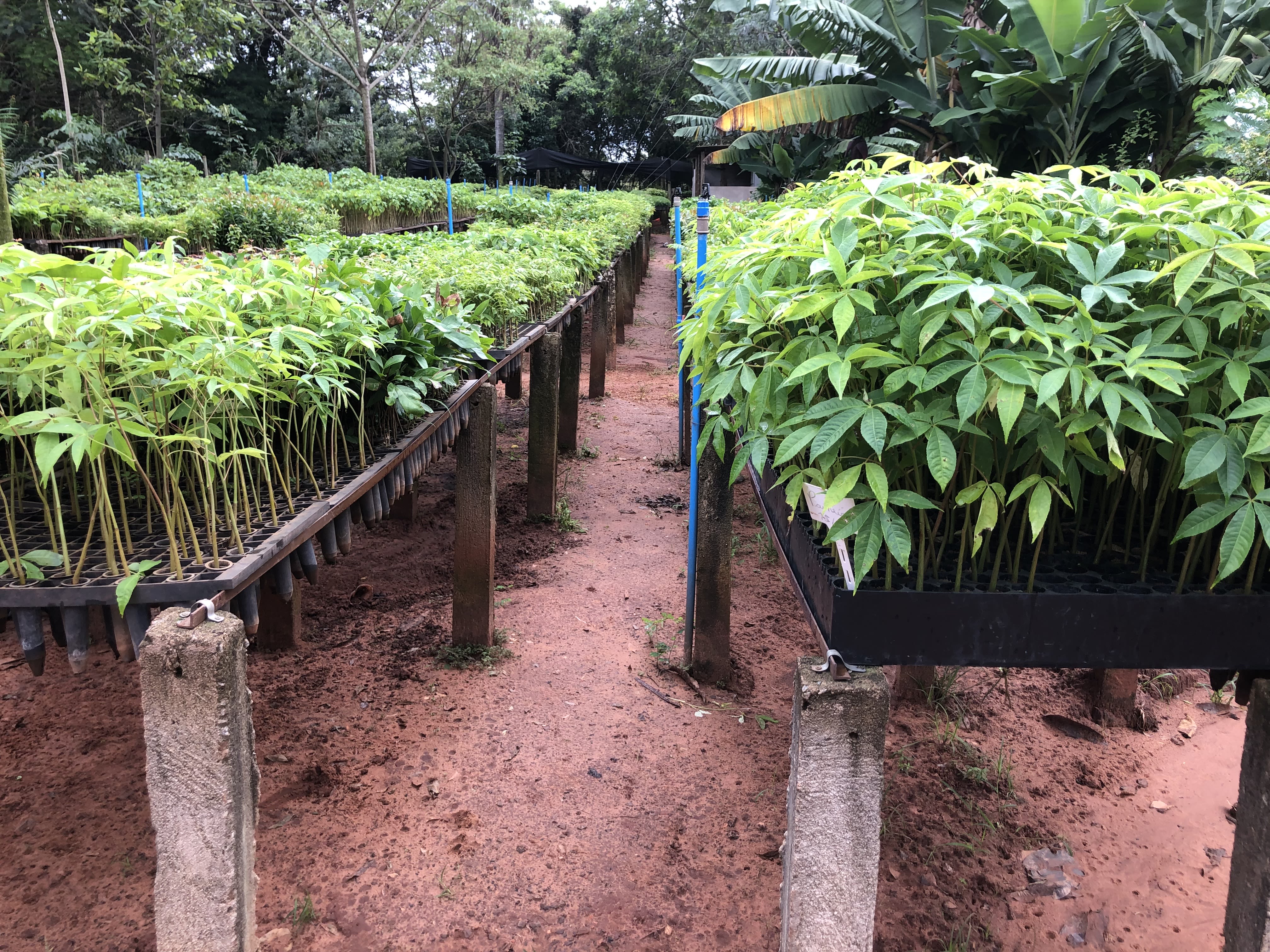
Polygon 5 update
July 2023 Thanks to funding provided by our Rewild Carbon business partners over the past few months, planting has been completed in Polygon 5. This 25-hectare area of land was already home to isolated patches of native trees, so we planted the new seedlings around the established trees.
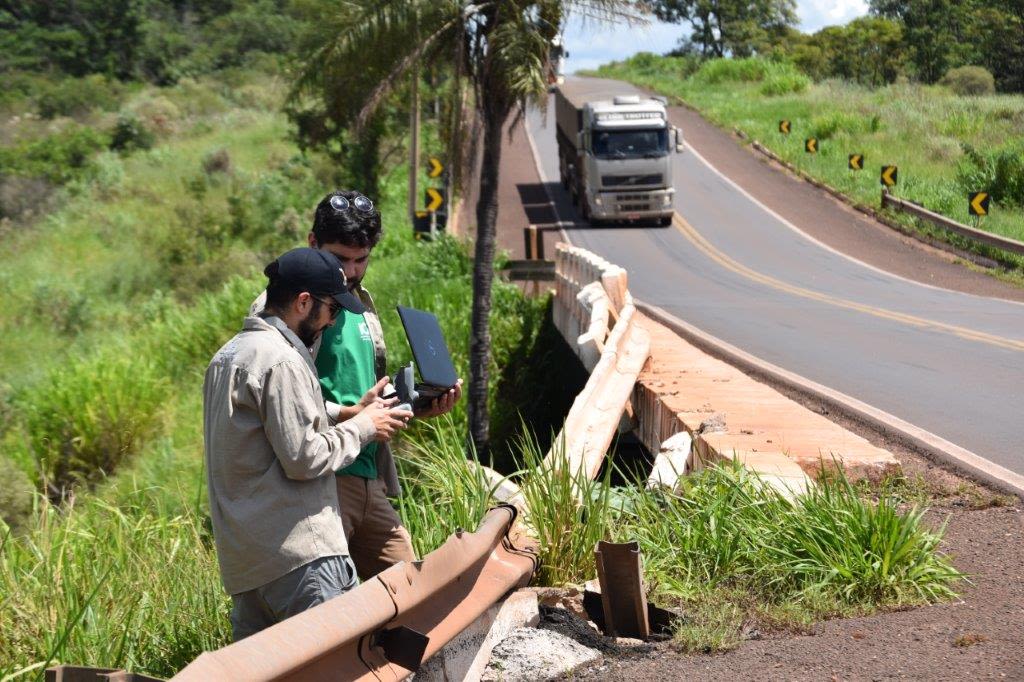
tRAINING NEW CONSERVATIONISTS
June 2023 To save species from extinction in their natural habitat, we must secure the futures of people who depend on the same land. Training and capacity building are vital elements of Rewild Carbon. Your investment is helping to fund four internship positions for final-year university students in Brazil, who will assist with work such as processing and analysing camera trap images and developing an education programme for local schools.
A PLACE TO SLEEP
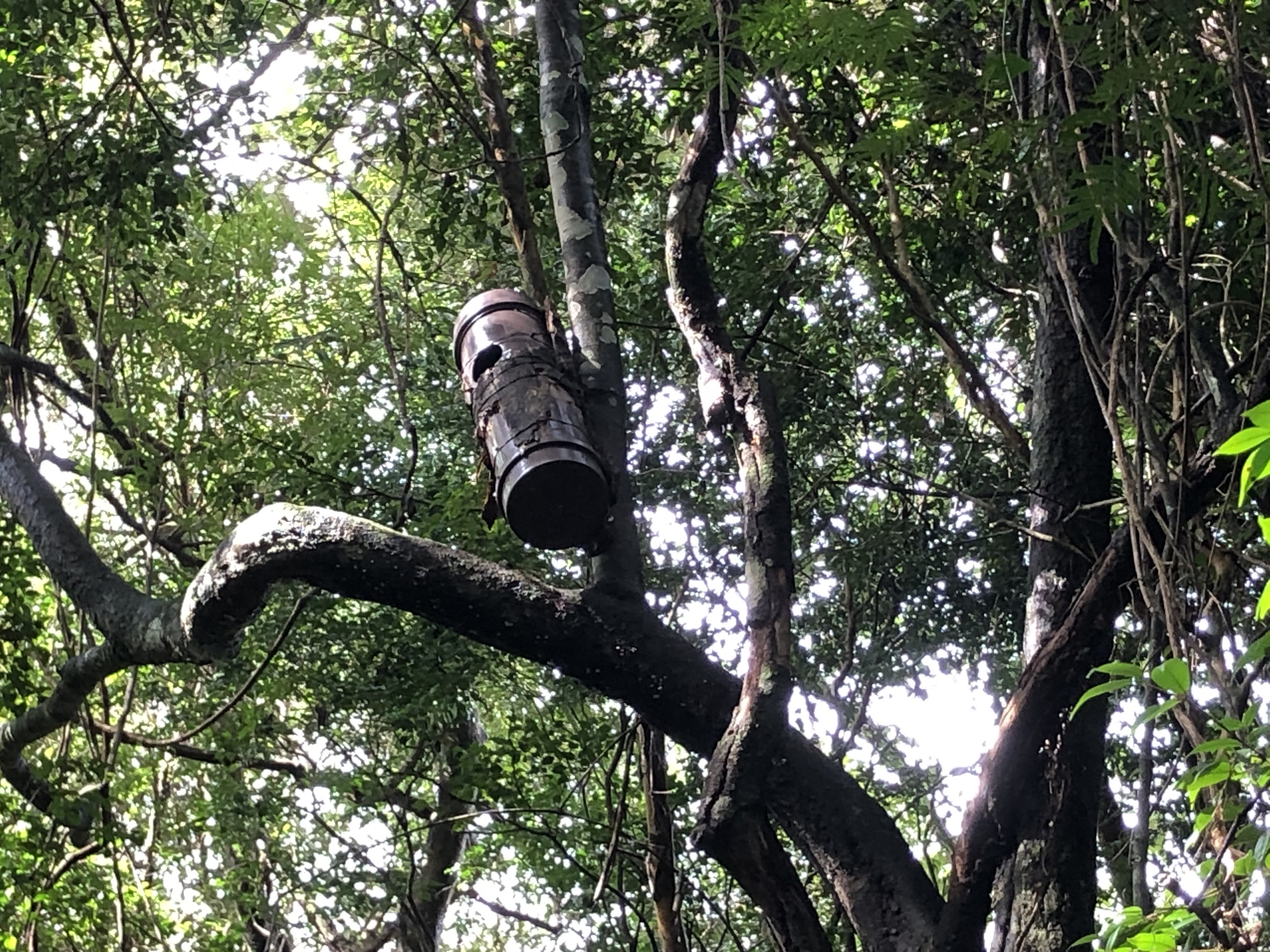
May 2023 In an established forest, tree holes provide sleeping sites for tamarins and protect them from predators. Working closely with researchers at Jersey Zoo, our conservation partners IPÊ have installed 24 nest boxes in forest fragments and are monitoring them closely. Although they have not yet recorded black lion tamarins sleeping in a nest box, they have recorded some groups investigating them which is an encouraging sign!
A visit to the project region
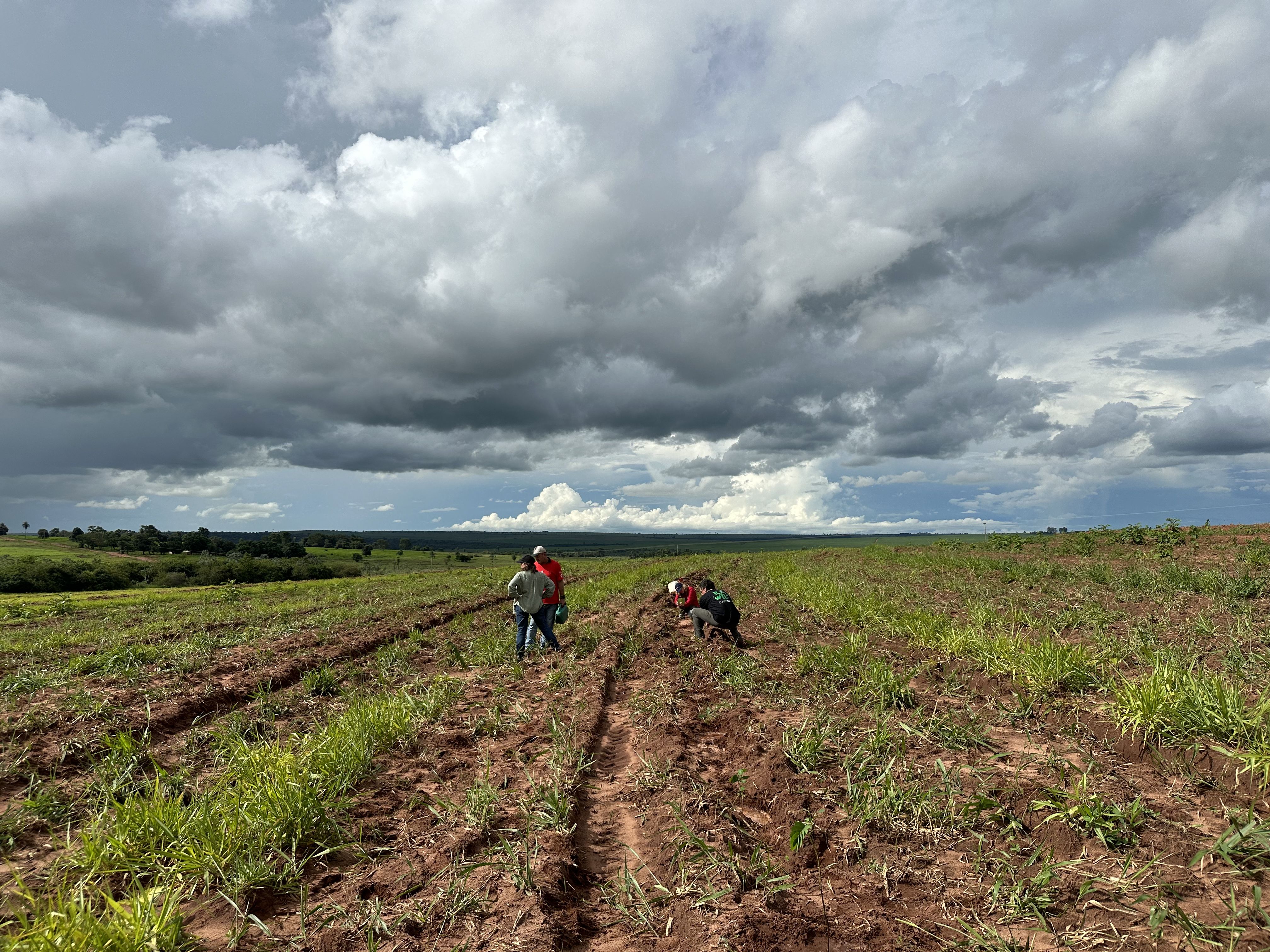
April 2023 Durrell staff recently visited Brazil’s Atlantic Forest to see the impact of Rewild Carbon in person. They met some of the local farmers, nursery owners, reforestation teams and others involved in the project and were invited to help plant seedlings in Polygon 4. Within a few months, these young trees will already start providing vital food and shelter for wildlife.

Black lion tamarins on the agenda
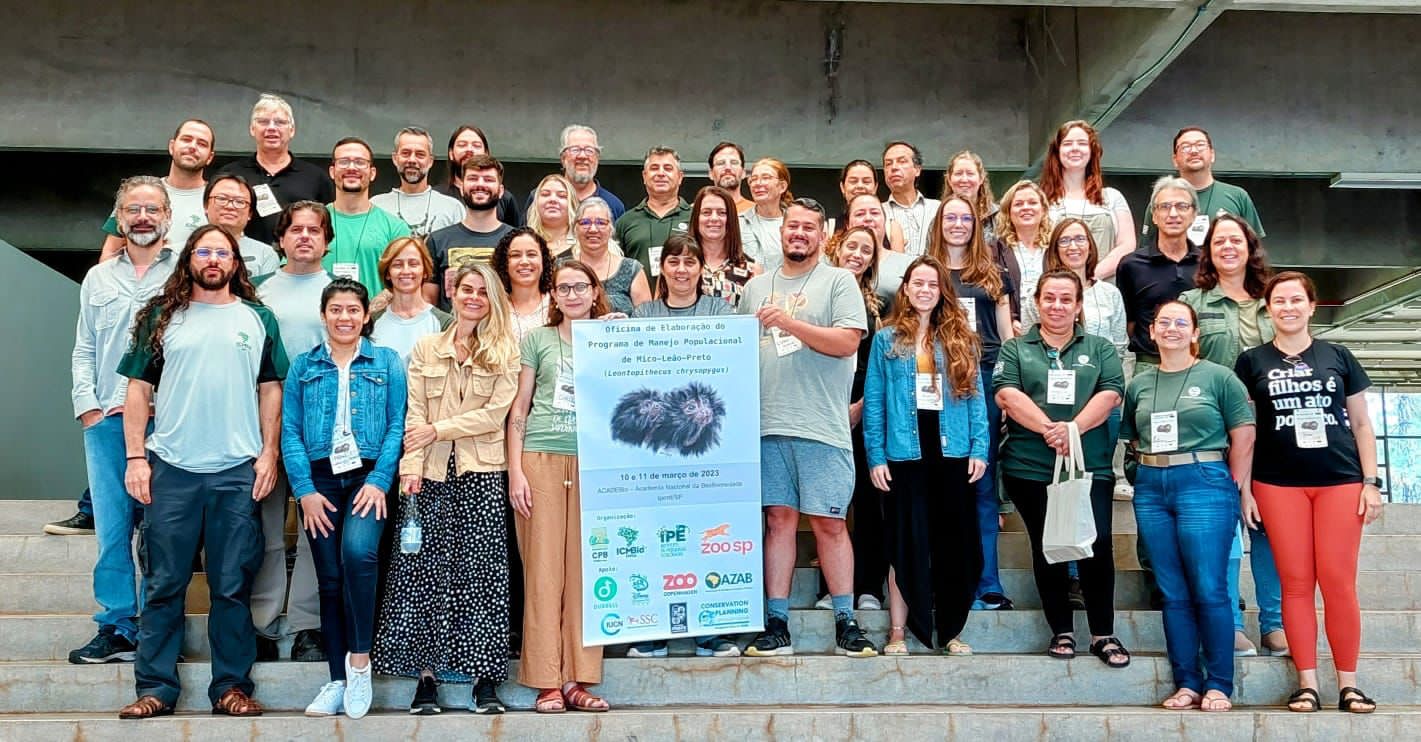
March 2023 This month, a small team from Durrell joined experts from Brazil and around the world at a black lion tamarin workshop organised by Dr Gabriela Rezende of IPÊ, our Rewild Carbon project partner. The workshop introduced new guidelines to ensure effective management of wild and captive populations of this endangered species.

tapir spotted
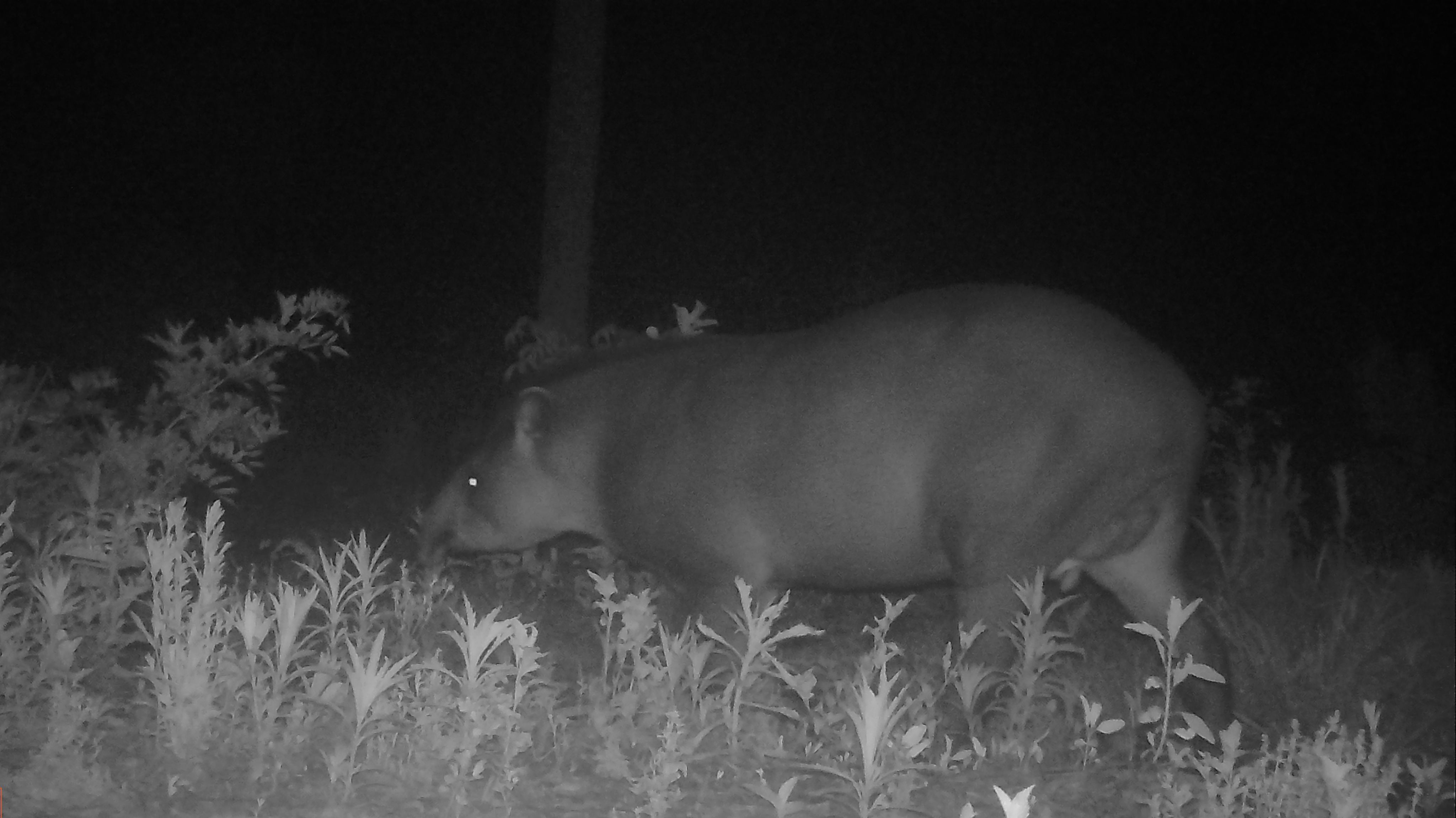
February 2023 The monitoring team were thrilled to capture images of a lowland tapir moving through Polygon 1 less than a year after planting! This vulnerable species plays a crucial role in the forest, dispersing seeds over a large area, so it is encouraging to see it moving through our young corridor.

sky frogs
January 2023 Thanks to Rewild Carbon funding, Durrell is now working to protect a rare group of frogs found only in isolated mountaintops in highland areas of the Atlantic Forest. These tiny creatures are threatened due to loss of habitat. We are working closely with our local partners Instituto Biotrópicos to secure their survival through habitat restoration and field surveys.
 Built with Shorthand